Historic Election Results in Morocco
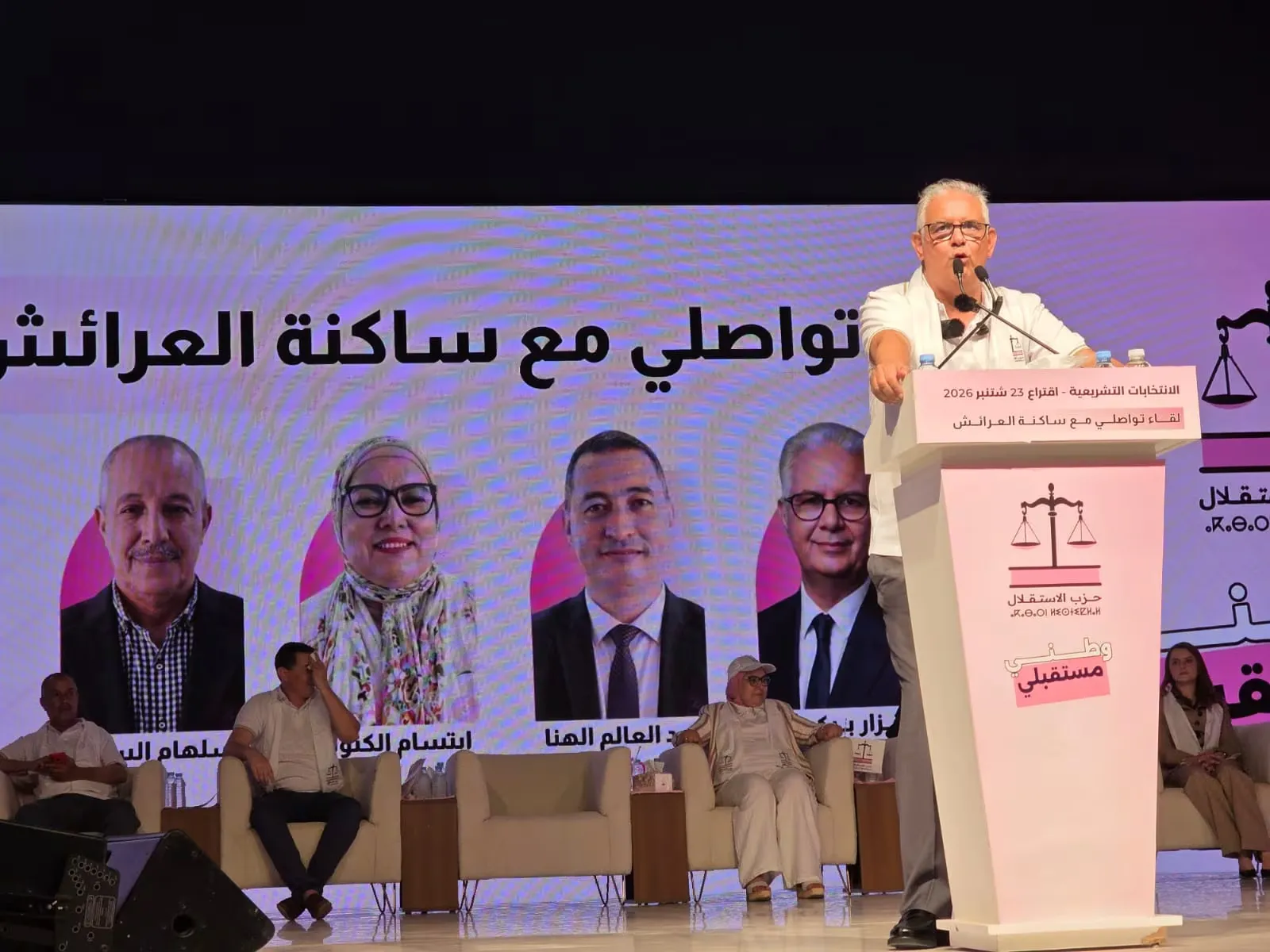
In a significant political development, Morocco's Authenticity and Modernity Party (PAM) has emerged victorious in the recent parliamentary election, securing 97 out of 395 seats in the House of Representatives. The final results, released by the Interior Ministry, set the stage for a new chapter in Moroccan politics amidst various socio-economic challenges. This election, held on September 23, 2026, marked a pivotal moment as it reflected the growing discontent among the youth, characterized by high unemployment rates and demands for improved educational and healthcare infrastructure.
Despite its success, PAM did not achieve an absolute majority, necessitating negotiations with other political entities to form a governing coalition. The party, established by a close royal advisor to King Mohammed VI, must navigate a complex political landscape following a year marked by protests driven by the younger generation and a tragic wave of mass migration attempts in July.
Political Landscape and Future Challenges
The newly elected government will be tasked with managing substantial investments as Morocco gears up to co-host the 2030 World Cup, a feat which has led some to label this administration as the "World Cup government." However, the new leadership will face mounting pressure to address pressing issues such as job creation, wage increases, and the rising cost of living. The election results also saw the National Rally of Independents (RNI), part of the outgoing coalition, suffer significant losses, while the moderate Islamist Justice and Development Party (PJD) made notable gains, increasing their seat count from 13 to 54.
Intriguingly, despite a major scandal involving drug and gold trafficking related to several PAM members, the party managed to strengthen its position compared to the previous election cycle. Future coalition dynamics are pivotal, as PAM has indicated reluctance to ally with RNI, while a partnership with PJD appears unlikely due to a history of political rivalry. PAM may instead seek alliances with Istiqlal and other smaller parties to secure a governing majority.
The Moroccan Constitution mandates that the king appoints the prime minister from the party that secures the most seats. Potential candidates for this pivotal role include Fouzi Lakjaa, the head of Morocco’s soccer federation, and Fatima-Zahra Mansouri, the mayor of Marrakech, who could make history as the country's first female prime minister. With a unique collective leadership structure, PAM's future direction remains uncertain as it prepares to tackle the challenges ahead.
Voter turnout for this election was recorded at 38%, the lowest since 2007, with approximately six million out of 15.8 million registered voters participating in the electoral process. This turnout underscores the need for the incoming government to effectively engage with constituents and address their concerns moving forward.
As reported by wral.com.