
Morocco's Aspirations to Host the 2030 World Cup Final
A recent report has highlighted Morocco's significant opportunities to host the final match of the 2030 FIFA World Cup, following unexpected comments made by José Luis Martínez-Almeida, the Mayor of Madrid. His remarks suggested the final could take place at the Hassan II Stadium in Casablanca, a prediction that diverges sharply from the prevailing narrative in Spain. This potential venue would also serve as a site for FIFA's celebrations commemorating the centenary of the inaugural World Cup.
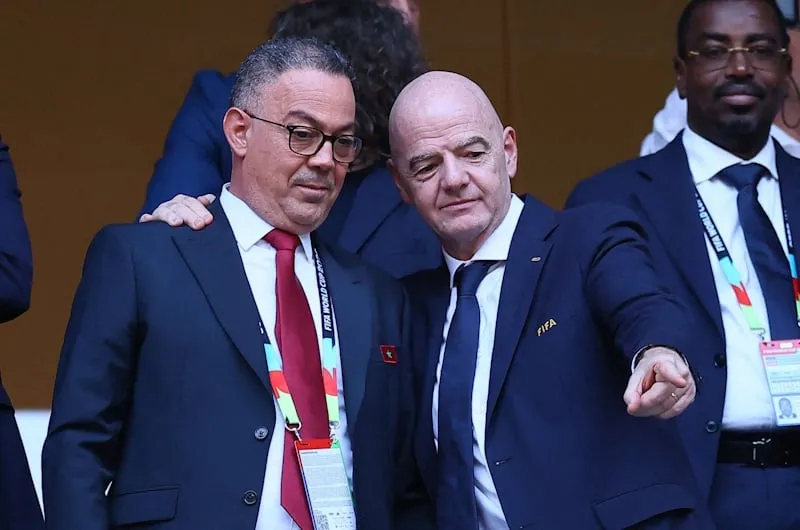
The sports website 'Kooora' elaborated on the escalating rivalry between Spain and Morocco over hosting rights for the World Cup final, characterizing it as a "subtle competition" between Madrid and Rabat. This tension is palpable in the ongoing verbal sparring between high-ranking officials from both football federations. Spanish Football Federation President Rafael Lozano frequently emphasizes Spain's rightful claim to host the final, while Fawzi Lekjaa, President of the Royal Moroccan Football Federation, seizes every opportunity to assert Morocco's capability to host the final at the newly inaugurated Hassan II Stadium, which is set to accommodate over 110,000 spectators.
Racism in Spanish Stadiums vs. Morocco's Modern Infrastructure
The report draws a compelling comparison between the recent "racist incidents" that have plagued Spanish stadiums and Morocco's strategic investment in the upcoming 2025 Africa Cup of Nations. Morocco aims to showcase modern stadiums and effective organization, conveying the message that the historic final of the 2030 World Cup could find a safe and contemporary home on the southern Mediterranean coast. In stark contrast, Spain is facing increasing incidents of racism, particularly highlighted by the ongoing issues some players have encountered with hostile fan behavior. This controversy has been amplified since Vinicius Junior's famous statement about withdrawing the honor of hosting the World Cup from Spain unless significant improvements are made in combating racism.
Instances of racist chants have notably marred the atmosphere in Spanish football, exemplified by a friendly match where fans chanted derogatory slogans targeting Muslims, specifically during a game between Spain's national team and Egypt, as both teams prepared for the recent World Cup. This situation prompted internal warnings at the stadium regarding such offensive behavior, affecting the morale of young Muslim player Lamine Yamal, who left the pitch before completing the customary fan greeting protocol. In response to this incident, he issued a passionate statement against what he termed ignorance and racism. The Egyptian Football Association also condemned these unacceptable behaviors, stressing the insult to the national anthem and the Muslim faith.
Months after the incident involving Egypt, Yamal returned to share further testimony about his experiences with racism in Spanish stadiums, openly admitting that he has suffered from racism countless times throughout his relatively brief career. This discussion has transitioned from a singular focus on Vinicius Junior to a broader examination of systemic racism in Spain, with similar chants becoming a distressing norm among the fanbases of several clubs, including Real Madrid, Bayern Munich, and Atlético Madrid. In contrast, Morocco is positioning itself as a well-prepared host not only through its stunning stadiums and impressive infrastructure but also by projecting an official and public narrative that emphasizes its rich religious and cultural diversity, aligning with FIFA's messages of intolerance towards racism and hate speech.
As reported by alquds.co.uk.