
Morocco's Strategic Shift in Football Governance
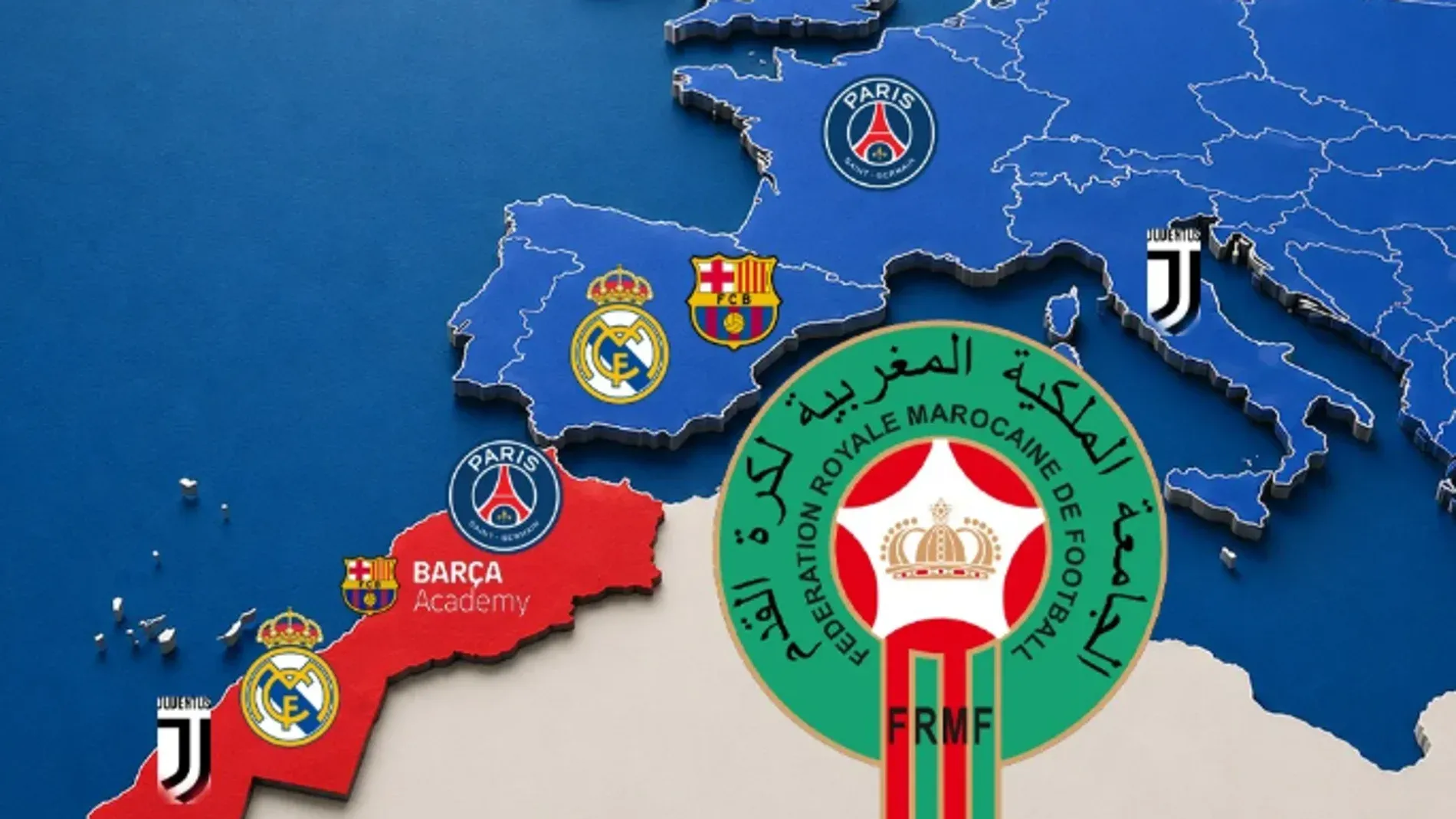
The Royal Moroccan Football Federation (FRMF) has made a significant and decisive move in the realm of national sports development. Under the leadership of Fouzi Lekjaa, the FRMF has issued an unequivocal directive: effective immediately, no private football academy or school in Morocco is permitted to use the name of a foreign club, regardless of any existing affiliations or sponsorships. This decision, which was announced on the FRMF's official website, goes beyond mere administrative adjustments; it is part of a broader, strategic vision aimed at transforming Morocco into a formidable football power on the international stage.
This bold initiative comes as Morocco sets its sights on co-hosting the 2030 FIFA World Cup alongside Spain and Portugal, with the ambitious goal of securing the tournament's final match. The new regulation not only prohibits foreign branding in football academies but also aims to fortify the autonomy of Morocco's football ecosystem. According to an article in Rue20, this may appear to be a commercial restriction at first glance, but it represents a fundamental principle: the talent nurtured within Moroccan borders should not merely serve as a showcase for foreign brands, but instead form the foundation of an independent and self-sufficient project.
Strengthening Moroccan Football's Future
The official statement from the FRMF emphasizes that this prohibition is intended to enhance national support and align training programs with strategic national objectives. Rather than closing the doors to the world, Morocco seeks to carve out its own path in football. The FRMF's decision is firmly rooted in its commitment to establishing the principle of autonomy for private football academies and schools.
This regulatory change is accompanied by a new framework for private academies, which was unveiled just two days prior to the announcement of the foreign name ban. For the first time, the FRMF has introduced a system of authorization, oversight, and classification into three categories: Excellence, Good Performance, and In Development. This framework mandates approved facilities, CAF-certified personnel, medical teams, and crucially, a designated child protection officer.
Through these measures, the FRMF sends a clear message: Morocco is no longer merely a market for European football but is actively shaping its own future. The prohibition against using foreign names is not an act of isolation but a defense of Morocco's status as a burgeoning football powerhouse.
In a bid to prevent talent drain, Morocco is determined to establish its own identity in the footballing world. The country is actively working to recruit and nurture young talents in anticipation of the 2030 World Cup. This initiative mirrors Argentina's successful strategy of attracting young footballers with Argentine ancestry, known as "Los Europibes." This program has allowed Argentina to secure top talents from clubs like Real Madrid, and Morocco is now taking a similar approach to safeguard its own promising prospects.
The fear of losing young talents, exemplified by the case of Lamine Yamal, who opted to represent Spain, has prompted the Moroccan Football Federation to intensify its vigilance over dual-nationality players in Europe.
The implications of this new policy are particularly noteworthy for football clubs operating in Morocco. For instance, the Real Madrid Foundation completed the season with 52 active socio-sporting projects across 23 African countries, impacting over 10,628 children through programs focused on education, inclusion, and child protection. In Morocco, these initiatives are present in cities like Rabat, Tangier, and Casablanca.
In contrast, FC Barcelona will not be affected by this new regulation as they announced the cessation of their academy activities in Rabat and Casablanca, which had been operational since 2023 and 2024, respectively. While the club has not disclosed the reasons behind this decision, it has made it clear that it currently has no official sports project in Morocco, serving as a warning against any misuse of its name.
As reported by larazon.es.