
Morocco's Rising Citrus Exports Amidst Environmental Concerns
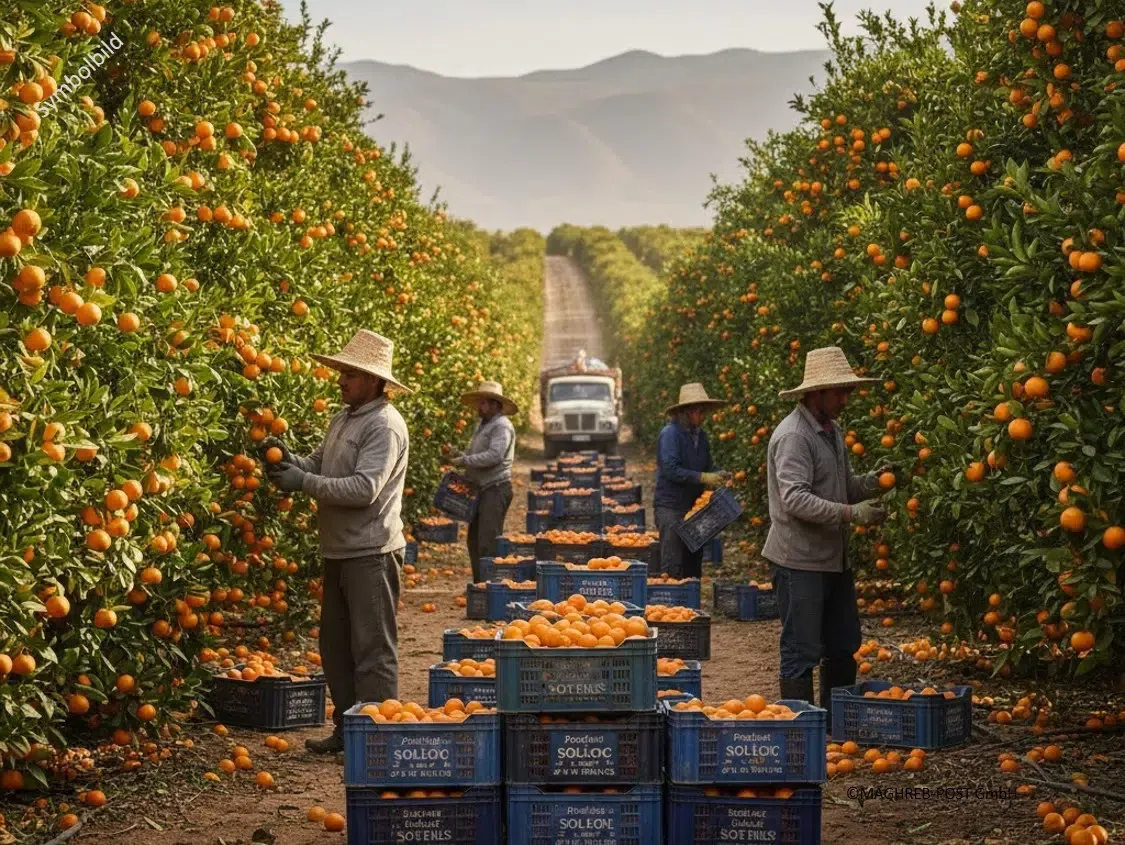
Morocco is solidifying its position as one of the world's leading exporters of citrus fruits, with the industry forecasting an export volume of approximately 550,000 tons of mandarins for the 2025/2026 season. The kingdom is thriving in a fiercely competitive international market, where Spain, Turkey, Egypt, and South Africa stand as its main rivals. According to the Moroccan daily newspaper L’Économiste, clementines and mandarins now comprise about 83% of the country's total citrus exports.
However, the economic success of this sector is at odds with the ecological limits of the country. Citrus fruits require significant amounts of water, leading to increased scrutiny of the export strategy. Critics argue that Morocco is exporting not just fruit, but also large quantities of the precious resource, water, with every kilogram of citrus sold abroad. In a region already suffering from the impacts of climate change and recurrent, sometimes life-threatening droughts, the expansion of these cultivation areas exacerbates the strain on already precarious water reserves.
Strategic Advantages and Market Pressures
The Moroccan citrus sector’s success continues to rely on high specialization and logistical advantages. Its geographical proximity to the European market allows for short delivery times and reduced transportation costs. Furthermore, Morocco benefits from a strategically advantageous production calendar; through targeted variety selection, fruits enter the market at times when competitors have limited supplies. By offering high-quality varieties such as Nadorcott, Morocco also caters to the increasing demand for premium products in Europe.
Despite these advantages, production is under immense pressure. In addition to general water scarcity, weather-related extreme events, such as local floods in agricultural regions like Gharb and Loukkos, lead to crop failures. While producers are increasingly investing in more efficient irrigation technologies to maintain their market position in the long term, the structural challenge remains: how can a growing export sector be reconciled with sustainable resource management? Given global competition and the increasing reliance on traditional markets, the exploration of new sales regions in Asia or the Middle East is seen as a necessary step to secure economic stability, along with hopes for technological solutions to combat water shortages.
As reported by maghreb-post.de.