
The Alarming Decline of Birth Rates in Morocco
Morocco has reached a historic point of no return in its demographic transition, which poses significant challenges for its medium-term future. The 2024 General Population and Housing Census reveals that the country's fertility rate has plummeted to 1.97 children per woman, marking the first instance where it falls below the generational replacement threshold. This stark decline contrasts sharply with the average of seven children per woman reported in the 1960s, propelling Morocco into a scenario of accelerated aging akin to European nations. However, unlike its European counterparts, Morocco lacks the wealth, labor market, and welfare systems necessary to support this demographic collapse.
This rapid demographic decline dramatically alters the balance of power and influence in North Africa, especially in comparison to its regional rivals. While Morocco's birth rate continues to decrease, projecting near-zero growth by the end of the 2060s, Algeria boasts a robust fertility rate of 2.75 children per woman, on track to reach 61 million inhabitants by mid-century, which would surpass Morocco by 40%. The situation becomes even more dire when juxtaposed with Egypt, which adds nearly two million people annually and is expected to approach 130 million inhabitants by 2040, effectively tripling Morocco's population and asserting substantial geopolitical weight in the region.
Challenges of an Aging Population
The infiltration of first-world patterns into traditional societies can be encapsulated by the concept of modernity. Ensuring a competitive future for the next generation now requires a drastic commitment of economic resources and time, which disincentivizes larger families. This unprecedented decline in birth rates in the Maghreb region rests on three fundamental pillars: managing a new family structure in a society that is aging without having first enriched itself is the primary challenge for the Moroccan government. The High Commission for Planning (HCP) warns that the number of individuals over 60 will double in just three decades, leading to the potential collapse of a pension system whose reserves for public employees are expected to run out by 2031. All of this pressure falls upon a country with a per capita GDP of less than 4,000 euros, struggling to provide a viable future for its youth.
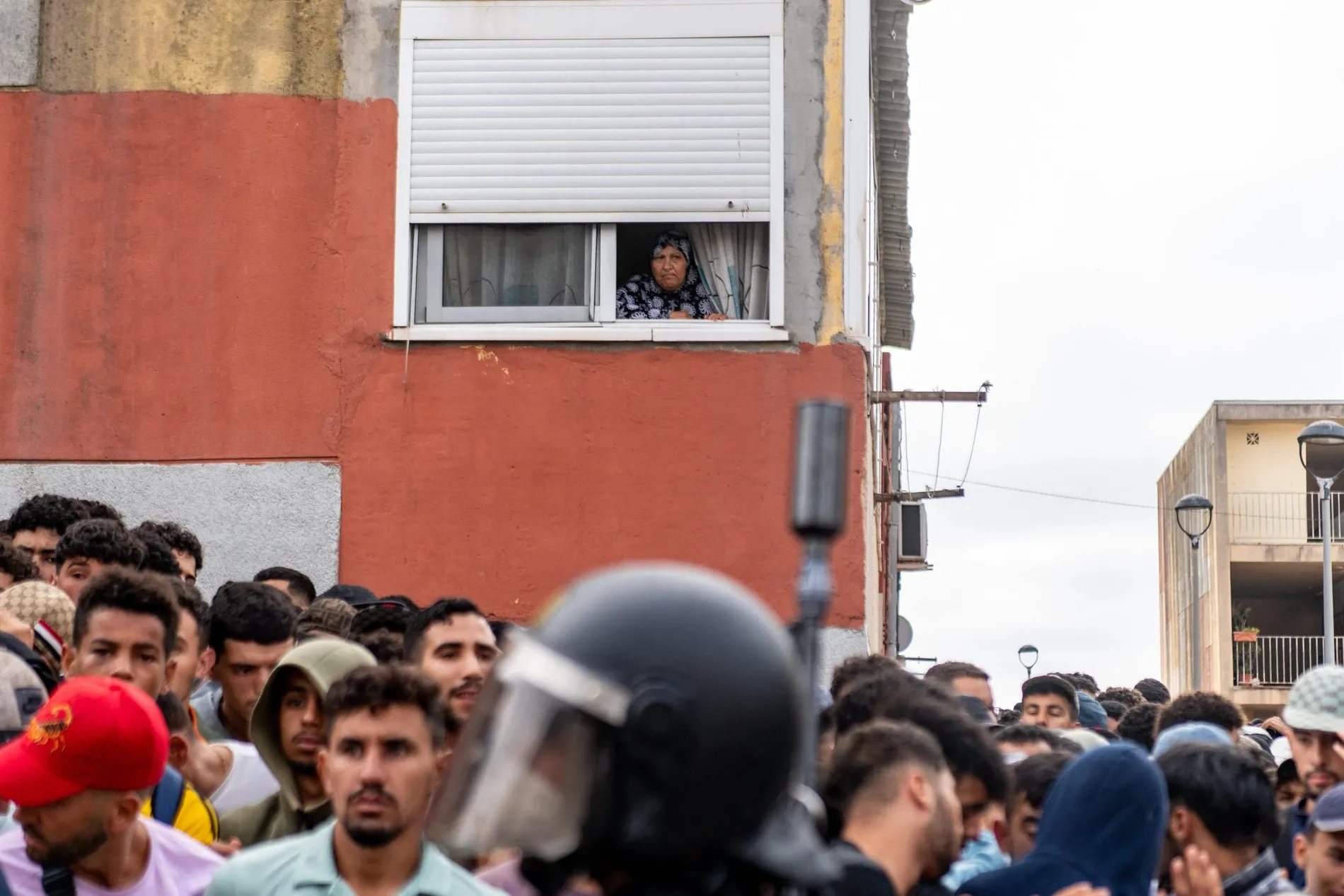
With an unsustainable youth unemployment rate of 37.7%, approaching 60% among urban women, the formal Moroccan job market is a funnel that leads to despair. It is this economic suffocation that drives thousands of young people to risk their lives attempting to cross into Europe, fueling migratory avalanches and episodes of extreme border tension, as recently witnessed in the perimeters and beaches of Ceuta. This constant exodus is exacerbated by a prohibitive real estate market in major cities, where housing costs consume up to 70% of a couple's average income. The perfect storm is further compounded by a medical crisis that the state has largely kept hidden: nearly 900,000 households suffer from infertility issues, but public healthcare offers scant coverage, leaving assisted reproduction treatments in the hands of private clinics that are unaffordable for the vast majority. This profound structural fracture threatens to derail ambitious projects like the FIFA World Cup 2030, underscoring the harsh reality of a country losing its youth to the north while teetering on the brink of its own demographic winter, devoid of institutional safety nets.
As reported by elconfidencial.com.