
Morocco Attempts to Shape European Parliamentary Discussions on Ceuta
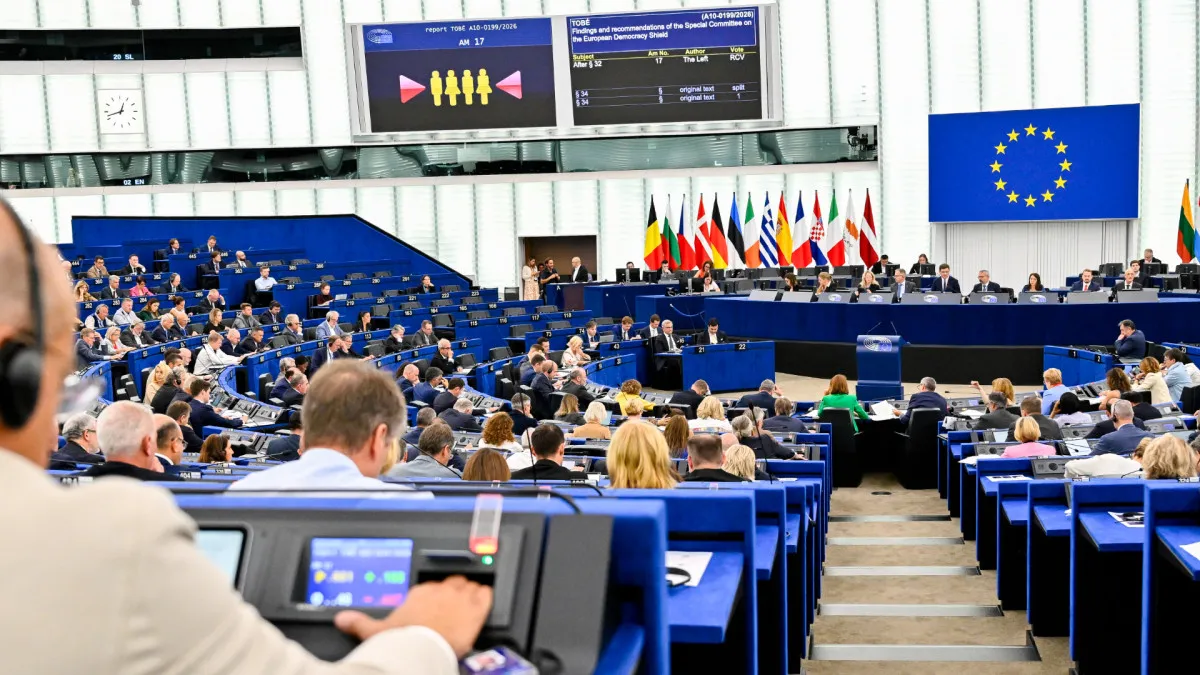
In a recent move that underscores the complexities of European-Moroccan relations, Morocco has dispatched a letter to several Members of the European Parliament (MEPs) in an effort to influence discussions surrounding the contentious issue of Ceuta. This correspondence, revealed by Oihane Agirregoitia, a MEP from the Basque Nationalist Party (PNV), highlights the Moroccan government’s proactive strategy to engage with European lawmakers as they prepare for a significant debate in the European Parliament.
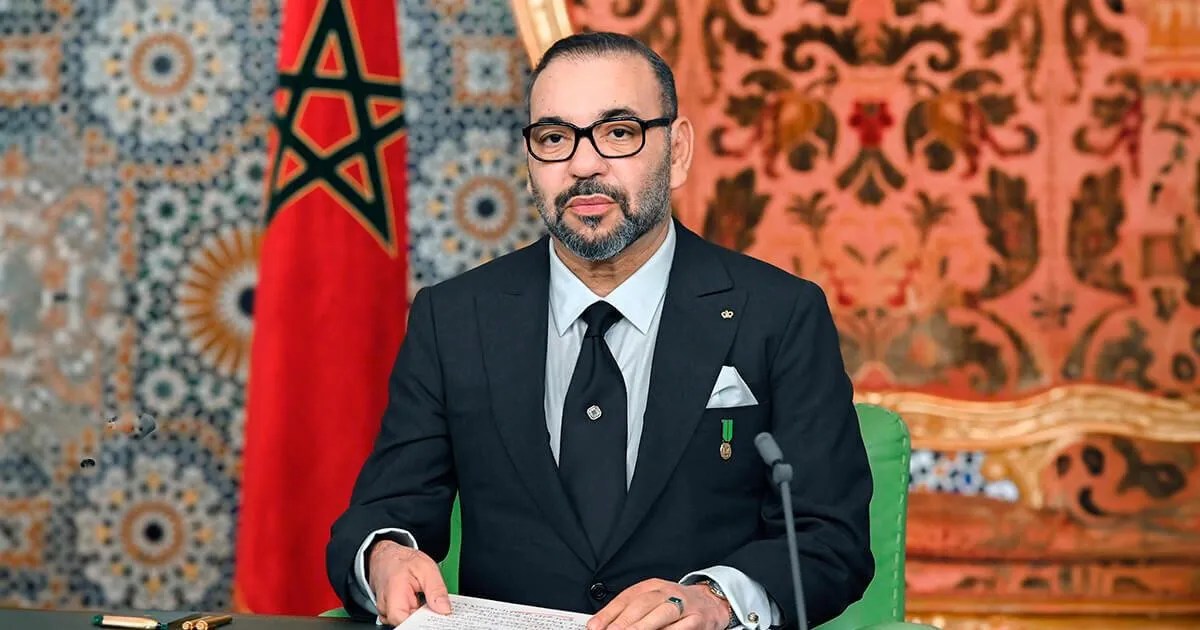
Within the letter, Morocco expresses its commitment to accommodate all migrants who arrived in Ceuta during the massive influx on July 30, which saw approximately 80,000 individuals crossing the border. Notably, this includes not only Moroccan nationals but also citizens from third-party countries—an unprecedented stance for Moroccan authorities, who have historically been reticent to accept migrants beyond their own borders. This commitment marks a significant shift in policy, as King Mohammed VI had previously resisted such measures.
Furthermore, the letter aims to absolve Morocco of any responsibility related to the events in Ceuta, stating that they are actively investigating the causes and parties involved in the crisis. The Moroccan government emphasizes the role of misinformation spread via social media and the exploitation of vulnerable individuals by human trafficking networks as critical factors that contributed to the situation. Additionally, Morocco insists that it did not resort to forceful measures to repel the mass entry, aligning its actions with the applicable rules of engagement regarding migration management.
Despite these assertions, the letter has not been universally acknowledged among all European political factions. Notably, members from the Popular Party (PP) and Vox have indicated that they have not received the correspondence, suggesting that the communication may have been selectively distributed to MEPs who hold more ambiguous views on the crisis at Ceuta. This raises questions about transparency and the motives behind Morocco's outreach to European legislators.
This diplomatic initiative by Morocco arrives as European lawmakers negotiate a resolution regarding Ceuta, with bilateral relations between Spain and Morocco remaining precarious. The implications of Morocco's letter on the upcoming parliamentary debate and potential resolutions are yet to be seen, but it undeniably adds another layer of complexity to the ongoing discourse surrounding immigration and border security in the region.
As reported by eldebate.com.