
The Ceuta Crisis: A European Challenge
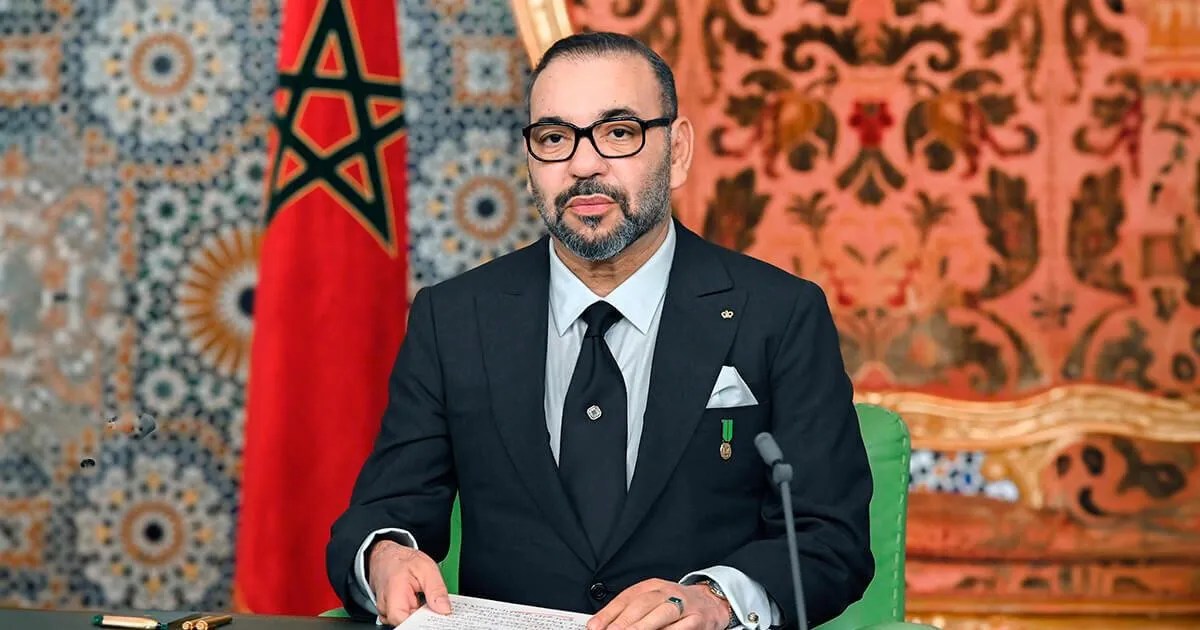
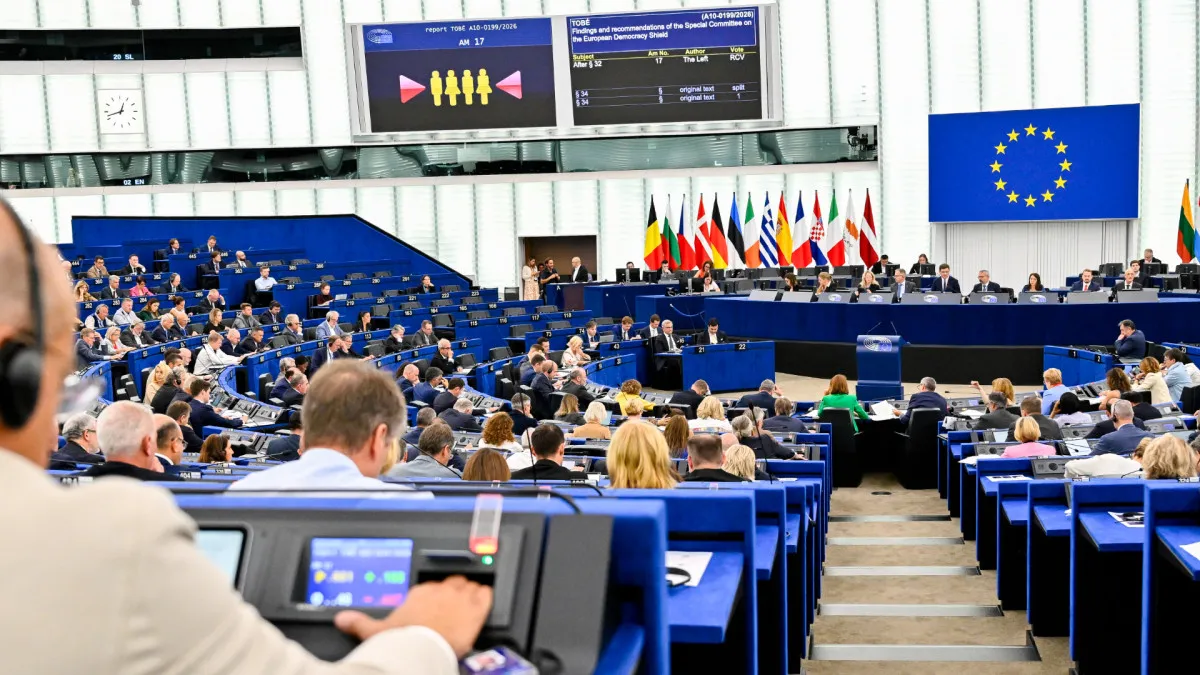
The ongoing Ceuta crisis has assumed a distinctly European character, as highlighted by the upcoming vote on a resolution advocating for a coordinated response from the EU. This pivotal event has sparked intense debate, with some members of the People's Party suggesting the exploration of commercial responses against Morocco. Meanwhile, Jorge Buxadé, a Member of the European Parliament from Vox, has taken a more extreme stance, advocating for the suspension of the association agreement with Morocco and calling for the border to be completely sealed.
This discussion surrounding a potential commercial response has largely gone unnoticed in the public arena, largely due to the fact that such a decision would fall under the purview of the European Union rather than any individual country's government. Nonetheless, Javi López, the Vice President of the European Parliament, has dismissed this avenue, asserting that there is no possibility for the EU's Twenty-Seven to initiate any form of trade escalation with Morocco. This sentiment is echoed by officials in Moncloa, as the Spanish government's strategy has thus far focused on maintaining cooperation with Morocco while steering clear of discussions that might implicate Moroccan security forces in the events of July 30 and 31.
Political Dynamics and Economic Relations
The European Parliament previously adopted a stringent resolution against Morocco in 2021, explicitly attributing responsibility for the crisis that saw approximately 9,000 individuals illegally crossing the Spanish border in Ceuta to the neighboring nation. At that time, the European Parliament's stance was supported by the Spanish government. Just ten days prior to the resolution's approval, Spanish Prime Minister Pedro Sánchez referenced the need for border openings due to disagreements in foreign policy. Fast forward five years, and the political landscape has changed dramatically, with all parties now acknowledging that the crisis is significantly more severe, boasting an entry rate nine times higher than before. However, any commercial escalation would require elements that have yet to materialize.
One significant change is the Spanish government's vastly different position compared to previous years. The Socialist Party now firmly rejects directly attributing responsibility to Morocco. When questioned on this matter, Socialist MEP Juan Fernando López Aguilar emphasized the need to remain level-headed and utilize all available tools within the framework of structured cooperation while opposing any form of diplomatic escalation with Morocco.
Spain plays a crucial role in any effort to harden the European stance towards Morocco. Historically, Madrid has openly called for a response to Rabat, a sentiment echoed by the European Parliament. Currently, the Spanish government is striving to decouple crisis management from direct accusations against Moroccan authorities. Without Spain's impetus, it becomes considerably more challenging to forge the necessary consensus among the Twenty-Seven to translate parliamentary condemnation into concrete measures against Morocco.
Within the European People's Party, Javier Zarzalejos has expressed satisfaction with the resolution proposal that is set to be voted on Thursday. He also noted the difficulty in maintaining a fully normalized political and commercial relationship with Morocco. This positioning aligns the European People's Party more closely with Vox, bringing national-level sentiments into the European discourse. The Christian democratic bloc continues to emphasize security and border issues as foundational pillars for the remainder of the European legislative term, reflecting ongoing disputes over critical issues for far-right parties.
Regardless, the resolution's impact will primarily be political. While the European Parliament can exert pressure on Morocco and advocate for a collective response, it cannot independently decide to suspend commercial relations. Furthermore, the text of the resolution is still under negotiation. The European People's Party aims to reach an agreement with socialists, liberals, and green parties, which necessitates crafting a formulation that can unite groups currently at odds over a strategy to sever ties with Rabat.
From Vox's perspective, Buxadé argues that the Twenty-Seven should suspend the agreement with Morocco and halt European payments to the country, asserting that this represents true European solidarity. Conversely, Estrella Galán, an MEP from The Left, criticizes the externalization of European border control. Acknowledging the "unacceptable pressure" experienced in Ceuta, she also highlights that a reception system exists in Spain, under the purview of the State, pointing to the Ministry of Inclusion and asserting that this is fundamentally a matter of "political will".
The European Commercial Strategy has been shaped by the geopolitical landscape, especially since Donald Trump’s return to the White House and the escalating trade tensions with China. The EU has sought to diversify its economic relationships, reinforce existing agreements, and seek new partners. An escalation with Morocco would introduce a significant exception to this strategy, potentially transforming access to the European market into a political leverage tool.
The magnitude of the relationship between the EU and Morocco, evidenced by the €62.2 billion in goods exchanged in 2025, underscores the caution surrounding this issue. The Twenty-Seven are Morocco's primary trading partner, while Morocco stands as the EU's leading partner among southern neighborhood countries.
Thus, the forthcoming debate will serve as a litmus test for how far Europe is willing to go in addressing the Ceuta crisis. Although the possibility of commercial threats has entered the conversation, establishing a cohesive European policy around such measures appears to be a daunting challenge.
As reported by agendapublica.es.