
Morocco Attempts to Influence European Parliament on Ceuta Invasion
In a clear display of diplomatic pressure within the corridors of Brussels and Strasbourg, Morocco has sought to shape the European Parliament's discussion regarding the recent invasion of Ceuta. This event occurred on July 30 and 31, when over 80,000 illegal immigrants surged into the autonomous city, prompting significant concern among European officials.
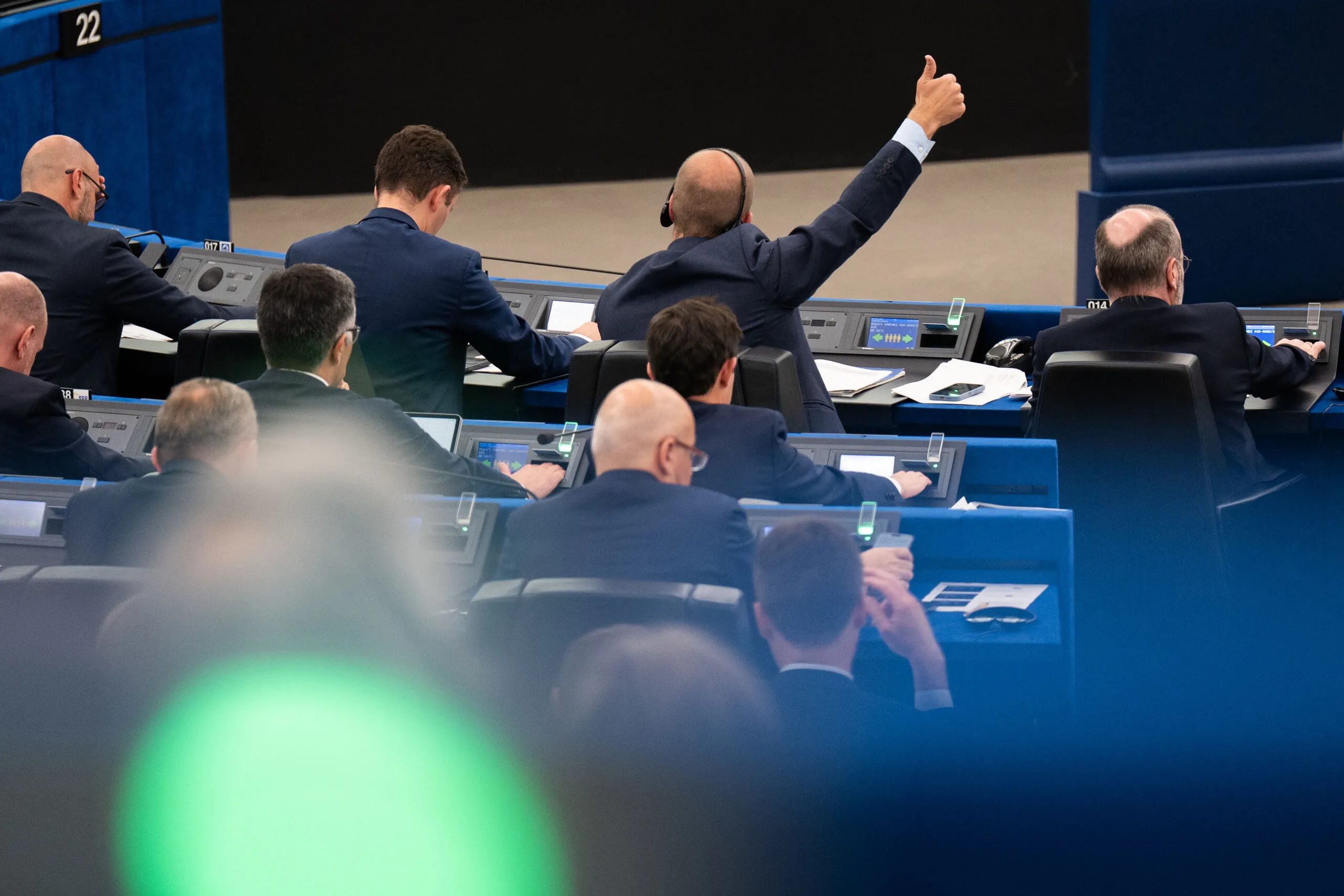
Just 24 hours prior to the European Parliament's session addressing this serious incident, Morocco's Mission to the European Union and NATO dispatched a **formal and selective letter**. This diplomatic correspondence was directed exclusively at members of the European Parliament from parties that are allied or supportive of the Spanish government, such as **PSOE, PNV, and ERC**, while intentionally excluding representatives from the **Popular Party, Vox, Sumar, Podemos, Compromís, and BNG**.
Rabat's Narrative and Claims of Victimhood
In the letter, dated **September 14**, the Moroccan regime attempts to evade any semblance of responsibility for the mass assault on Spanish borders. Rabat claims to be working to clarify "the causes and actors" behind the events, simplistically attributing the situation to the "manifest role of misinformation spread through social media" and the exploitation of vulnerable individuals by **human trafficking mafias**.
Furthermore, the Moroccan representation does not hesitate to exploit the somewhat tepid remarks made by the government of **Pedro Sánchez**, reminding that Moncloa had stated that the available data "did not allow for attributing responsibility to Morocco for these events," while also acknowledging Morocco's "rapid and active cooperation" in facilitating repatriations.
To soften the European stance ahead of the upcoming vote on Thursday, Rabat emphasizes in its message its formal commitment to **readmit all affected individuals, including Moroccan nationals, unaccompanied minors, and nationals from third countries** who illegally entered in July.
The document sent by the diplomatic mission exudes a marked **victimhood tone**, questioning what interest Morocco would have in "generating a greater crisis with Spain and the European Union," particularly at a time when bilateral relations "are experiencing greater strengthening." The Moroccan mission provocatively asks, "Would Morocco deliberately provoke a migratory crisis on the national celebration day of the Kingdom, the Throne Day, a date of significant symbolic weight?"
Regarding the inaction or overwhelm of its security forces during the assault, Morocco's diplomacy justifies its management by claiming that **the arrival of tens of thousands of people in such a short time could not be addressed 'through the use of lethal force,'** asserting that such a recourse is not considered "a solution in accordance with operational norms."
Finally, the Alaouite Kingdom presents its statistics to the EU, highlighting that, according to Frontex data, its forces deter approximately 75,000 irregular immigrants heading to Spain each year, accumulating —according to their counts— a total of 227,000 thwarted attempts between 2023 and 2025. With these figures, **Rabat continues to apply pressure on European institutions** on the eve of a crucial vote concerning the sovereignty and security of Spain's southern border.
As reported by libertaddigital.com.