
Morocco's Diplomatic Advances and the Western Sahara Conflict
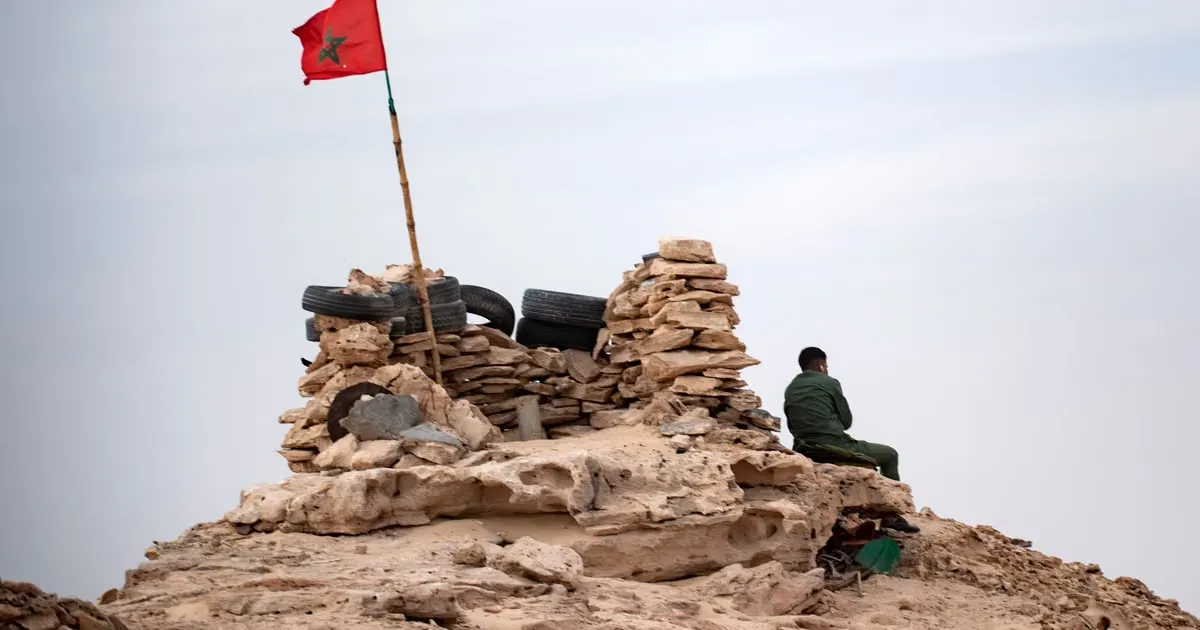
On October 31, a pivotal vote at the United Nations could determine the future of Morocco's claims over Western Sahara, a territory long contested. According to Spanish daily "El País," the recognition by the United States in 2020 of Moroccan sovereignty over this region has spurred Rabat to reshape its diplomatic strategies and alliances exclusively around this issue. This assertion of sovereignty has also intensified Morocco's claims over the Spanish enclaves of Ceuta and Melilla, raising concerns in Spain.
Morocco has made remarkable diplomatic strides on the international stage, far exceeding its status as an emerging regional power in North Africa. These advancements have been facilitated by the backing of three permanent members of the UN Security Council—the United States, France, and the United Kingdom—while China and Russia have chosen to abstain from taking a stance. Over the past five years, Morocco, a nation of just over 38 million people with a GDP significantly lower than that of Spain, has become the continent's largest arms importer.
The turning point in Morocco's foreign policy came with Donald Trump's recognition of Morocco's sovereignty over Western Sahara in late 2020. Arabist and Morocco expert Bernabé López García highlights that this marked a significant shift, as a major power like the United States endorsed Rabat's position, disregarding the UN's stance. This decision, made during the final hours of Trump's first term, carried an air of spontaneity, almost as if it were a clandestine maneuver.
In exchange for normalizing relations with Israel, Trump bolstered Morocco's position, which has since capitalized on this support to adopt a firmer stance in its diplomatic endeavors. The implications of this shift are profound, not only for Morocco but also for regional dynamics, as the country navigates its newfound leverage and the international community's response to its territorial claims.
As reported by courrierinternational.com.