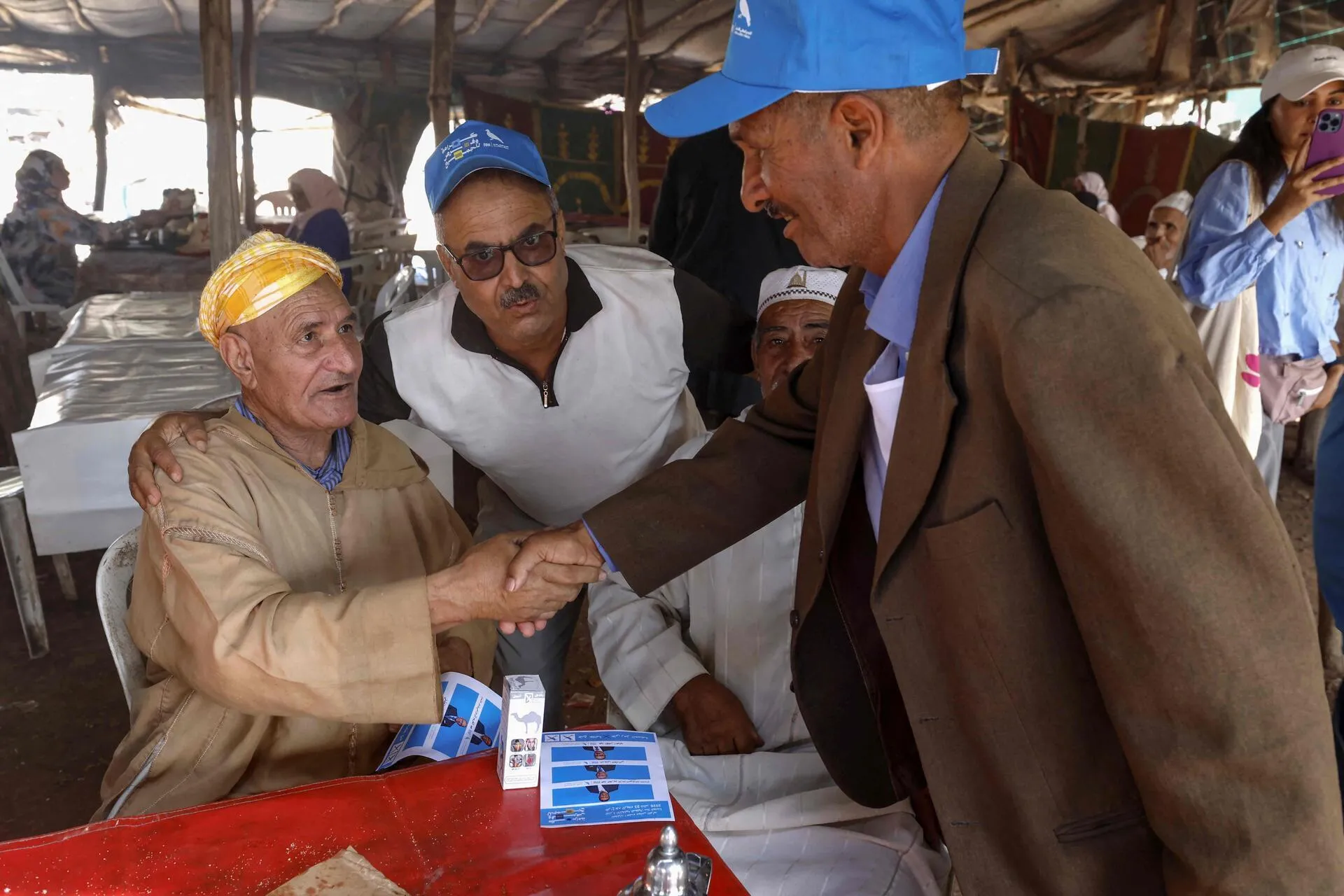
CASABLANCA, Morocco (AP) — As Moroccan citizens prepare to cast their votes in the upcoming parliamentary elections, pressing issues such as job creation, wage increases, and improved access to essential services like housing, education, and healthcare dominate their concerns. Scheduled for Wednesday, this pivotal election comes at a time when Morocco is gearing up to co-host the 2030 FIFA World Cup, leading some commentators to label the incoming government as the "World Cup government." The potential emergence of a soccer executive as prime minister adds an intriguing twist to the political landscape, which is characterized by a powerful monarchy that retains significant influence over key strategic matters.
The political environment in Morocco has been shaped by recent events, particularly the Gen Z-led protests that erupted nearly a year ago, alongside the tragic mass border crossing into Ceuta in July, which resulted in numerous fatalities. As voters head to the polls, they express a desire for their new political leaders to prioritize the very real issues affecting their daily lives.
Economic Growth Amid Job Scarcity
Morocco's economy is on an upward trajectory, drawing foreign investments and fostering the development of new industries, positioning the kingdom as Africa's most-visited destination. Its strategic alliance with the United States and diplomatic relations with Israel further cement its standing in the region. Despite this economic progress, the country grapples with stark inequalities, as economic advancement has not translated into sufficient job opportunities. A staggering 12.7% of the population lives in relative poverty, and the disparities between affluent urban centers, such as Casablanca, and rural areas remain pronounced. Politicians have responded to these grievances in their campaign manifestos, yet many young Moroccans remain skeptical, feeling that they have heard similar promises in the past without substantial follow-through.
Election Promises and Potential Leadership
In this election cycle, a total of 7,288 candidates from 27 political parties are vying for 395 parliamentary seats. The RNI party, part of the current governing coalition, has pledged a monthly minimum wage of 5,000 dirham ($525) and aims to generate 1 million jobs. Another coalition member, the PAM party, proposes tax exemptions for salaries below 15,000 dirham ($1,575) and promises to provide 100,000 housing solutions specifically designed for young people. Additionally, the Istiqlal Party seeks to expedite treatment in public hospitals, while the left-wing PPS aims to halve the school dropout rate and strengthen anti-corruption measures. The moderate Islamist PJD party has committed to reducing economic disparities between major cities and less developed regions.
The selection of the next prime minister hinges on the king's choice from the leading party in the elections, and with no single party likely to achieve an outright majority, coalition building will be essential. Traditionally, the king appoints the leader of the winning party, but recent discussions have shifted attention to alternative candidates, including Faouzi Lakjaa, president of Morocco's soccer federation, who has joined the PAM party. Another contender is Fatima-Zahra Mansouri, the mayor of Marrakech and minister of urban planning, whose potential appointment could mark a historic moment as Morocco's first female prime minister. Nizar Baraka, the head of PI and a prominent figure in the colonial-era independence movement, is also in the mix, alongside former prime minister Abdelilah Benkirane, who is attempting a political comeback after a significant loss in the previous elections.
Despite the enthusiasm surrounding these elections, some factions, such as the far-left Democratic Path party, have called for a boycott, arguing that the elections lack the fundamental tenets of democracy and fairness. The party's leader, Jamal Berrajaa, emphasized the need for a new democratic constitution, citing arrests among his members for advocating a boycott. Similarly, the Islamist group Al Aadl Wal Ihsane has voiced concerns about the integrity of the electoral process, claiming that past elections have produced ineffective institutions.
The discontent among young Moroccans, particularly those who attempted to cross into Ceuta, reflects a broader frustration with the political system. With youth unemployment rates soaring to 37% and millions of young people disengaged from education and employment, many have opted for protests over traditional political engagement. Individuals like Ayoub Lasli, who sought better opportunities across the border, express apathy towards the electoral process, while others like Ayoub Belaidi believe that genuine change requires the voices of young people to be heard in the political arena.
Voter turnout poses another significant challenge, as only 15.8 million out of 26.7 million eligible voters are registered. The decline in registered voters by 9.7% since the last elections highlights the bureaucratic obstacles that many face in participating in the electoral process. Observers anticipate low turnout rates in this critical election, which will serve as a crucial indicator of public engagement with the state, as noted by analysts.
As reported by seattletimes.com.