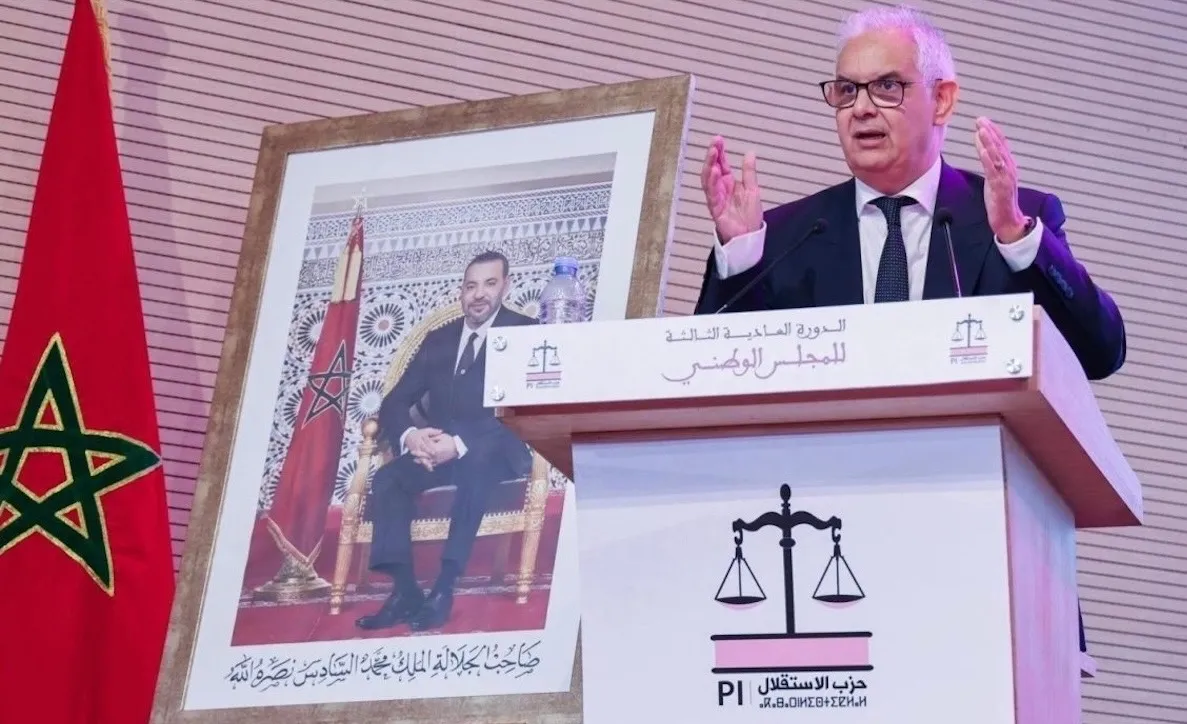
Frantz Fanon once stated, "Each generation must, out of relative obscurity, discover its mission, fulfill it, or betray it." This sentiment resonates profoundly with the current political landscape in Morocco, where one could argue that we are witnessing a form of political insanity, as defined by Albert Einstein—repeating the same electoral processes while anticipating different outcomes. The elections held on September 23 presented the Moroccan populace with a parade of familiar faces, each with a track record of unfulfilled promises and theatrical performances that have become tiresome. The entire electoral process, from constituency mapping to voting logistics, is under the purview of the Ministry of the Interior, raising questions about the integrity and fairness of the democratic exercise. Despite the sheer number of political parties—28, with 1,850 lists and 7,288 candidates—there is a glaring absence of substantive change or genuine pluralism. The political offerings remain fundamentally uninspiring, and the public is left disillusioned.
Elections Under an Authoritarian Regime
It is crucial to recognize that we are not participating in a flawed democracy in need of minor adjustments; rather, we are entrenched within a despotic regime where legislative, executive, and judicial powers are concentrated in the hands of the king and his advisors. This structure resembles a shadow government—unelected, unaccountable, and absent from any electoral platform. Parliament operates within the confines of royal dictates, and the government merely executes decisions made outside its purview. Political parties do not compete to serve the citizens; instead, they position themselves as the most adept at enforcing neoliberal policies that undermine social and economic rights. The winning party is not determined by voter choice but by its ability to appease the ruling elite, often prioritizing the management of public dissent over genuine representation. The declarations made by newly appointed government heads often emphasize their role in executing the royal agenda, further underscoring the disconnect between the electorate and those in power.
Moreover, the political parties currently in power are not only morally and politically compromised due to their involvement in corruption scandals but have also outlived their relevance. Their inability to offer innovative and effective solutions to pressing societal issues has led to a palpable sense of aversion among the electorate. The platforms of these parties echo one another, filled with vague promises of a "social state," "dignity," and "employment"—words that fail to address critical questions regarding economic policy, wealth redistribution, and the dire state of public services. Instead of engaging in meaningful discourse about these urgent matters, electoral campaigns devolve into personal disputes and accusations as candidates scramble for their share of power.
The Path Forward: The Gen Z 212 Uprising
The current government is not merely an ineffective entity; it represents a systemic alliance with despotism and the ruling oligarchy, prioritizing the interests of a wealthy few over the needs of the general populace. The stark reality is that governments led by individuals with extensive business interests cannot genuinely serve the electorate when their primary allegiance lies with maintaining the status quo. Promises of job creation have not materialized, leaving youth unemployment at alarming levels. The government's failure is not a mere oversight; it is an integral consequence of a system designed to perpetuate elite interests at the expense of public welfare.
In response to this pervasive disenchantment, the Gen Z 212 movement emerged, igniting a call for change that resonates with the frustrations ignited in 2011. Utilizing modern communication platforms, this grassroots movement has mobilized thousands across the country, advocating for essential services such as healthcare, education, and employment while demanding accountability from a government perceived as detached from the people. The authorities’ reaction has been predictably repressive, employing a security-first approach to quash dissent and silence those who dare to challenge the existing order.
As we approach the next electoral cycle, the stark decrease in voter registration among the youth signals a deep-seated disillusionment with the political system. A passive boycott is insufficient; what is required is a proactive movement driven by the youth, advocating for radical change that dismantles political despotism and addresses the root causes of economic dependency. The call for a new societal vision that prioritizes local sovereignty over resources and empowers communities to manage their own affairs is essential to breaking free from the shackles of neoliberalism and colonial legacies.
Our generation stands at a crossroads: to either fulfill the mission of liberation or betray it by succumbing to yet another cycle of electoral performance devoid of real change. The upcoming elections, regardless of their outcomes, will not resolve the systemic crises facing Morocco. Instead, we must cultivate a collective consciousness that emerges organically from within our communities, challenging the myths of modernity and embracing a future that respects our cultural heritage and prioritizes the needs of the many over the interests of the few. This vision of a just and equitable Morocco is the true horizon worth striving for, not a mere repetition of past electoral exercises.
As reported by internationalviewpoint.org.