
Transformative Elections in Morocco
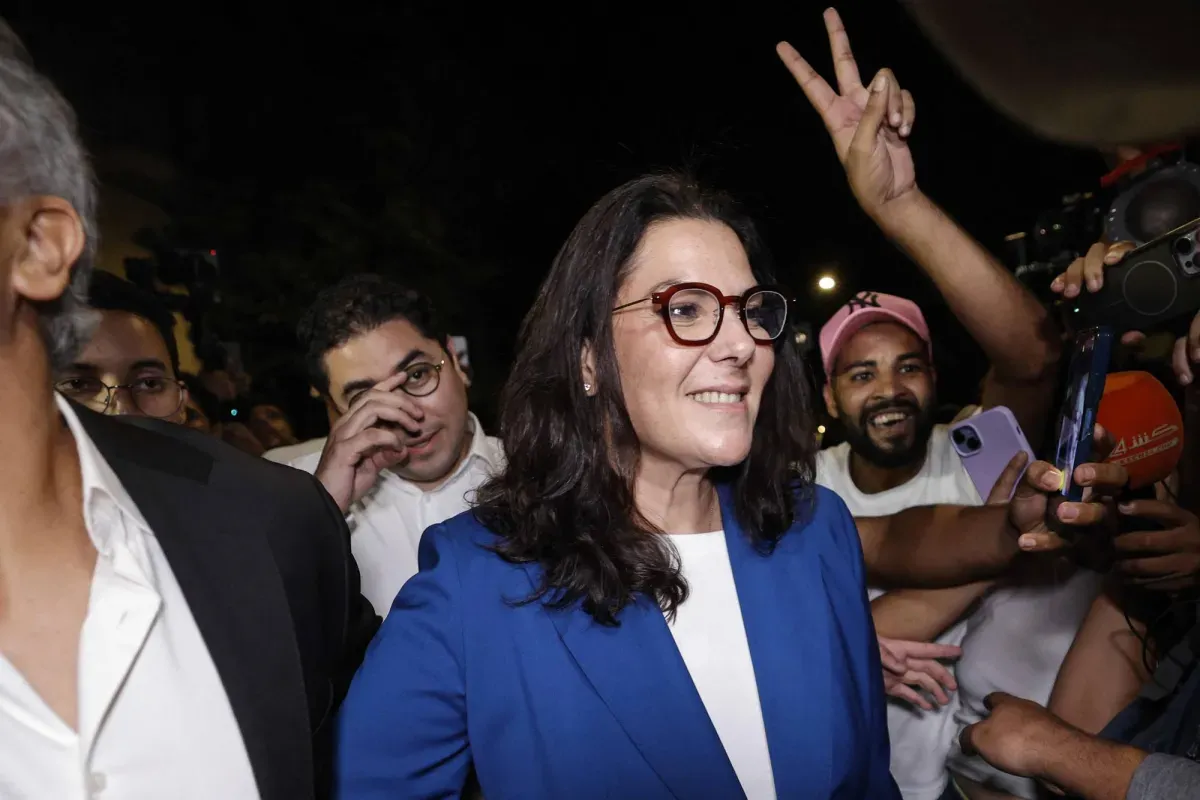
The recent elections in Morocco have significantly reshaped the political dynamics within the country, marking a pivotal moment in its democratic journey. Over the past few weeks, a series of events culminated in a robust turnout, reflecting the electorate's desire for change and reform. The elections not only showcased the political engagement of citizens but also highlighted the evolving landscape of political parties, some of which have gained prominence while others have seen a decline in influence.
With the election results now in, the formation of a new parliament is underway, indicating a potential shift in governance. The newly elected representatives are expected to tackle pressing issues, including economic challenges and social reforms, which have been at the forefront of public concern. The outcome of these elections will likely influence Morocco's political strategies and policies in the coming years, as the new leadership seeks to address the aspirations of its citizens.
Implications for Governance and Future Policies
This election cycle serves as a crucial juncture for Morocco, where the implications extend beyond mere political representation. The newly formed parliament is expected to bring fresh perspectives and approaches to governance, potentially leading to innovative solutions for longstanding issues. As the country grapples with economic pressures and the need for social development, the mandate given to the new representatives will be vital for ensuring a responsive and accountable government.
Furthermore, these elections reflect a broader trend in the region towards increased political participation and the recognition of the electorate's voice. As Morocco takes steps to solidify its democratic processes, the international community will be closely watching how the new parliament navigates the complexities of governance and policy-making.
As reported by aawsat.com.