
Major Milestones in Morocco's Energy Transition
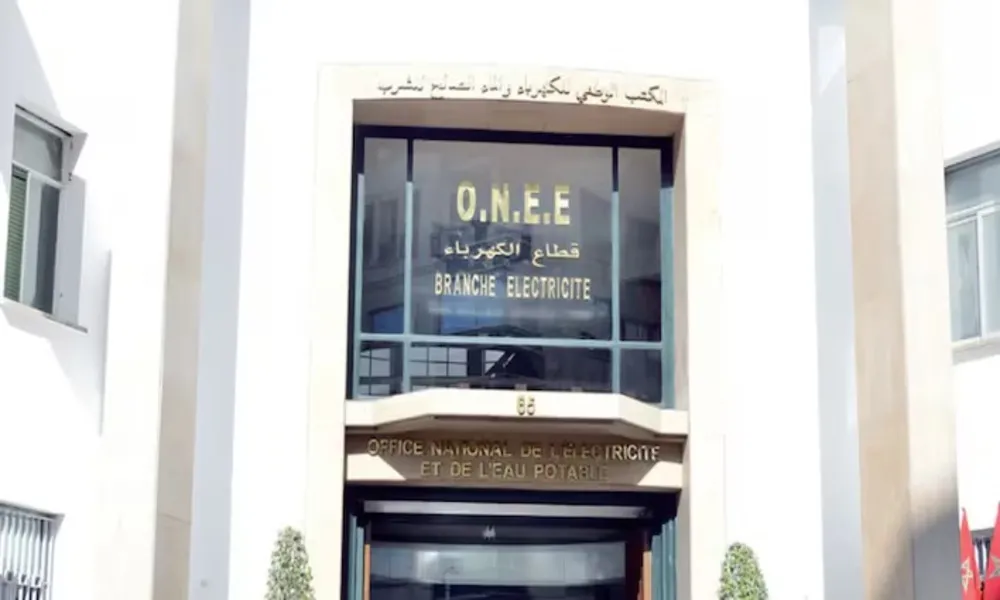
Morocco is making significant strides in its energy transition by accelerating investments in its grid infrastructure, which not only enhances the stability of its national power system but also facilitates the integration of renewable energy sources. The kingdom has achieved a noteworthy milestone through the Electricity Transmission and Rural Electrification Development Program (PDRTE-ER), a project executed by the Office National de l’Électricité et de l’Eau potable, with the financial backing of the African Development Bank.
Recent data from the African Development Bank highlights that Morocco has successfully electrified 937 villages, surpassing its initial target of 720 localities by an impressive 30 percent margin. This electrification initiative has resulted in nearly 20,000 households being connected to the national grid, propelling the rural electrification rate to an impressive 99.91 percent, which is remarkably close to achieving universal coverage.
Infrastructure Development and Economic Impact
The extensive rollout of infrastructure has been pivotal to this success, featuring 1,261 kilometers of medium-voltage lines, 3,898 kilometers of low-voltage lines, and 719 transformer substations. This expansion of the network is not only improving access to essential services but also bolstering agricultural activities and promoting the growth of micro-enterprises in rural regions. Furthermore, significant advancements have been recorded in electricity transmission, with the completion of 254 kilometers of high-voltage lines, including 244.85 kilometers at a voltage of 400 kV, alongside a new 225/60 kV substation. These substantial investments are contributing to enhanced grid stability and facilitating a greater integration of renewable energy sources, which now account for 45.5 percent of the installed capacity, up from 33.84 percent.
Moreover, the peak demand for electricity has risen to 7,580 megawatts, exceeding the anticipated target of 7,150 megawatts. Concurrently, net electricity consumption has reached 45.71 terawatt-hours, equating to 73 percent of the final target. These indicators showcase improved system reliability and a reinforced capacity to meet the growing energy demands of the country.
In addition to these technical advancements, the program has been a catalyst for economic growth, generating 243 permanent jobs and 744 temporary positions primarily in the energy and construction sectors. The improved access to stable electricity is facilitating the development of industrial and commercial activities in newly electrified areas. However, the progress has not been without challenges, as delays have been reported on a 225 kV transmission line project due to technical constraints and the withdrawal of the initial contractor. To address these issues, corrective measures have been implemented, including route adjustments and updated feasibility studies, with timelines realigned to meet the overall program deadline, set for June 2028.
In summary, this initiative signifies a structural transformation of Morocco’s energy model, blending enhanced supply security with increased reliance on renewable energy sources while integrating rural areas into the nation’s broader developmental framework. As reported by apanews.net.