
Protests Erupt Over Embassy Upgrade Amidst Moroccan-Israeli Relations
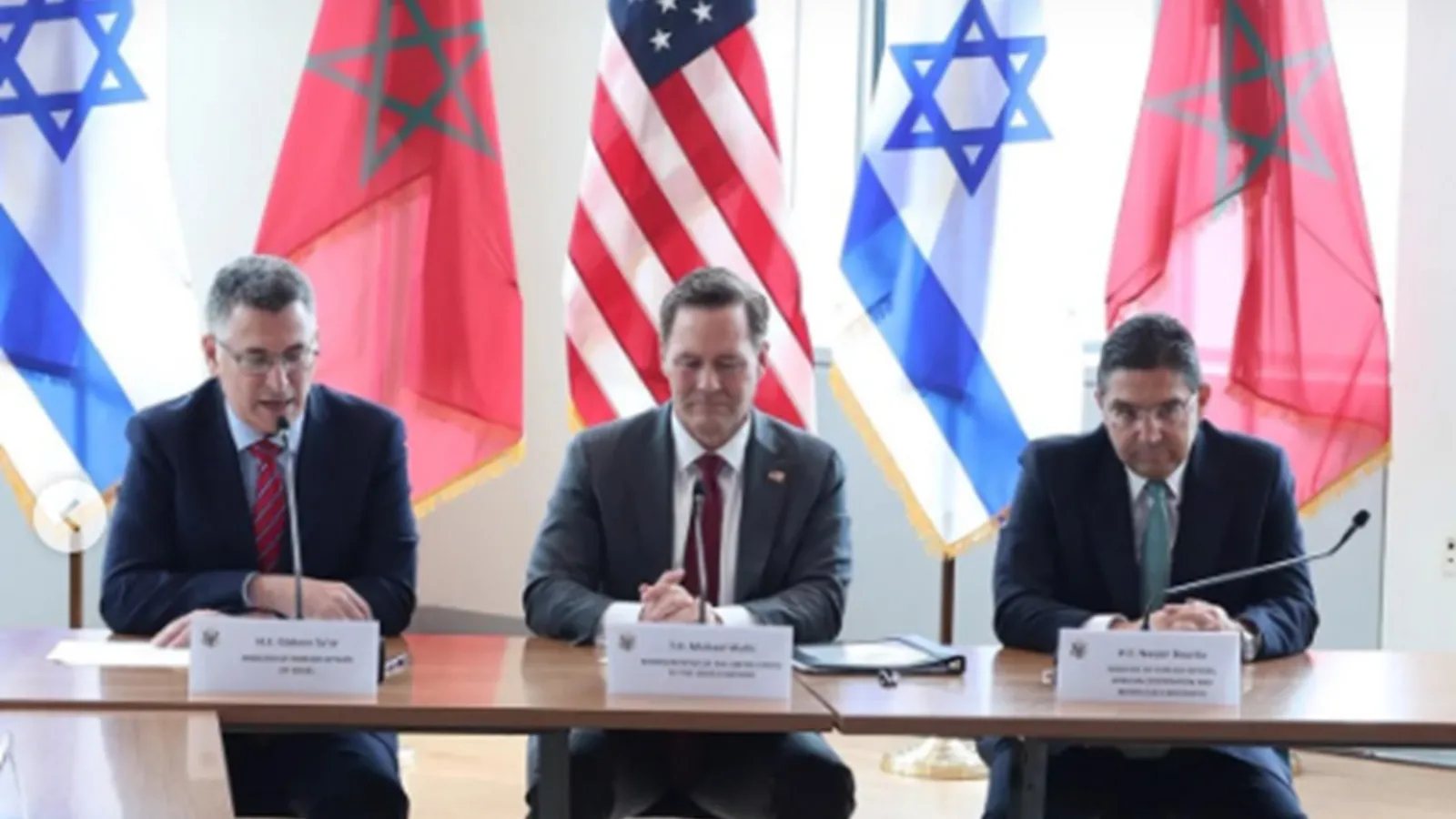
In a climate of growing unrest, Moroccan citizens opposed to the normalization of relations with Israel concluded a three-day series of protests on Sunday. These demonstrations were sparked by the kingdom's recent decision to elevate its diplomatic ties to the establishment of full embassies, a move that includes the exchange of ambassadors and the strengthening of economic connections with Israel. The protests followed a significant announcement made on September 16 in New York by Moroccan Foreign Minister Nasser Bourita, Israeli Foreign Minister Gideon Sa’ar, and U.S. Ambassador to the United Nations Mike Waltz, who revealed plans to transform liaison offices into embassies and finalize agreements on investment protection and double taxation by year-end.
Political analyst Yasmine Hasnaoui from Hassan First University in Settat remarked that opposition to normalization is a consistent theme in Morocco. She emphasized that despite these protests, Morocco has not altered its diplomatic course, viewing itself as a mediator in the ongoing Israeli-Palestinian conflict. This latest upgrade in relations builds upon the 2020 agreement that saw Morocco restore formal ties with Israel, coinciding with U.S. recognition of Moroccan sovereignty over Western Sahara, a strategic territory that remains a point of contention.
Political Implications and Future Prospects
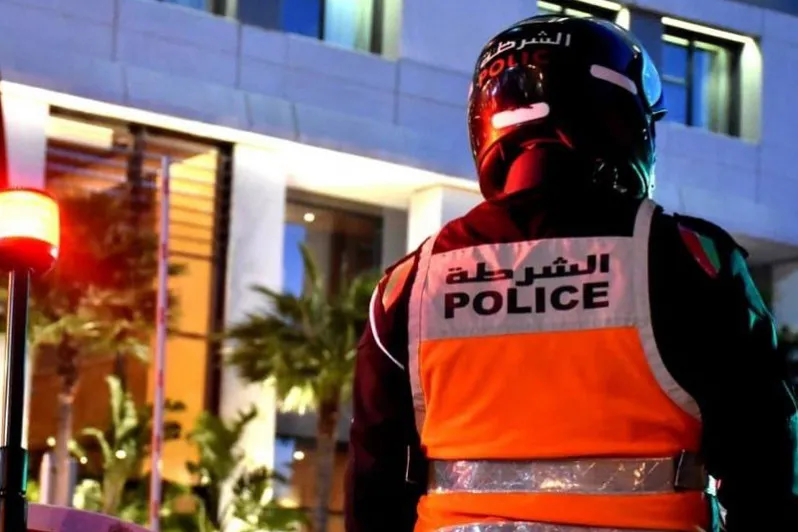
The Moroccan Front for Supporting Palestine and Opposing Normalization spearheaded the protest movement, labeling the embassy upgrade as a further entrenchment of ties with Israel. The Moroccan Commission for Supporting the Nation's Causes reported organizing 76 events across 45 cities, with demonstrators in the capital, Rabat, chanting slogans against normalization. Notably, the protests took place without any significant disturbances, indicating a level of organization among participants. Moaz al-Hajri, national coordinator of the Front, criticized the relocation of the Israeli liaison office, describing it as a provocation to the Moroccan populace.
The recent parliamentary elections also highlighted deeper societal issues, with the Authenticity and Modernity Party, aligned with the palace, securing 97 out of 395 parliamentary seats. Voter turnout saw a decline from previous years, reflecting a potential disillusionment among the electorate. PJD leader Abdelilah Benkirane attributed his party's improved performance to a divine blessing rather than the anti-normalization sentiment, despite the PJD’s previous governance during the normalization process. Hasnaoui noted that the PJD's opposition to normalization was evident during their tenure in power, raising questions about the genuine nature of their current stance.
Experts like Einat Levi assert that Morocco-Israel relations are underpinned by strategic interests that transcend party politics, suggesting that the relationship is guided by the Moroccan monarchy and its commitment to shared interests with Israel. The longstanding claims over Western Sahara remain a critical aspect of this diplomatic engagement, as does Morocco's public commitment to the Palestinian cause, evidenced by Bourita's recent statements at the United Nations defending Palestinian rights.
Morocco's positioning within the broader context of Israeli-Arab relations continues to evolve, with the kingdom actively engaged in mediating efforts while also pledging military assistance to Gaza and addressing humanitarian concerns. The Bayt Mal Al-Quds Acharif Agency's consultations with Palestinian officials further illustrate Morocco's dual role as both a supporter of Palestine and a partner to Israel. As the region approaches significant political milestones, including upcoming Israeli elections, the future of Moroccan-Israeli relations remains uncertain, yet a focus on economic collaboration and diplomatic engagement is anticipated.
As reported by themedialine.org.