
F-16 Block 72 Fighter Aircraft Completes Maiden Flight for Morocco
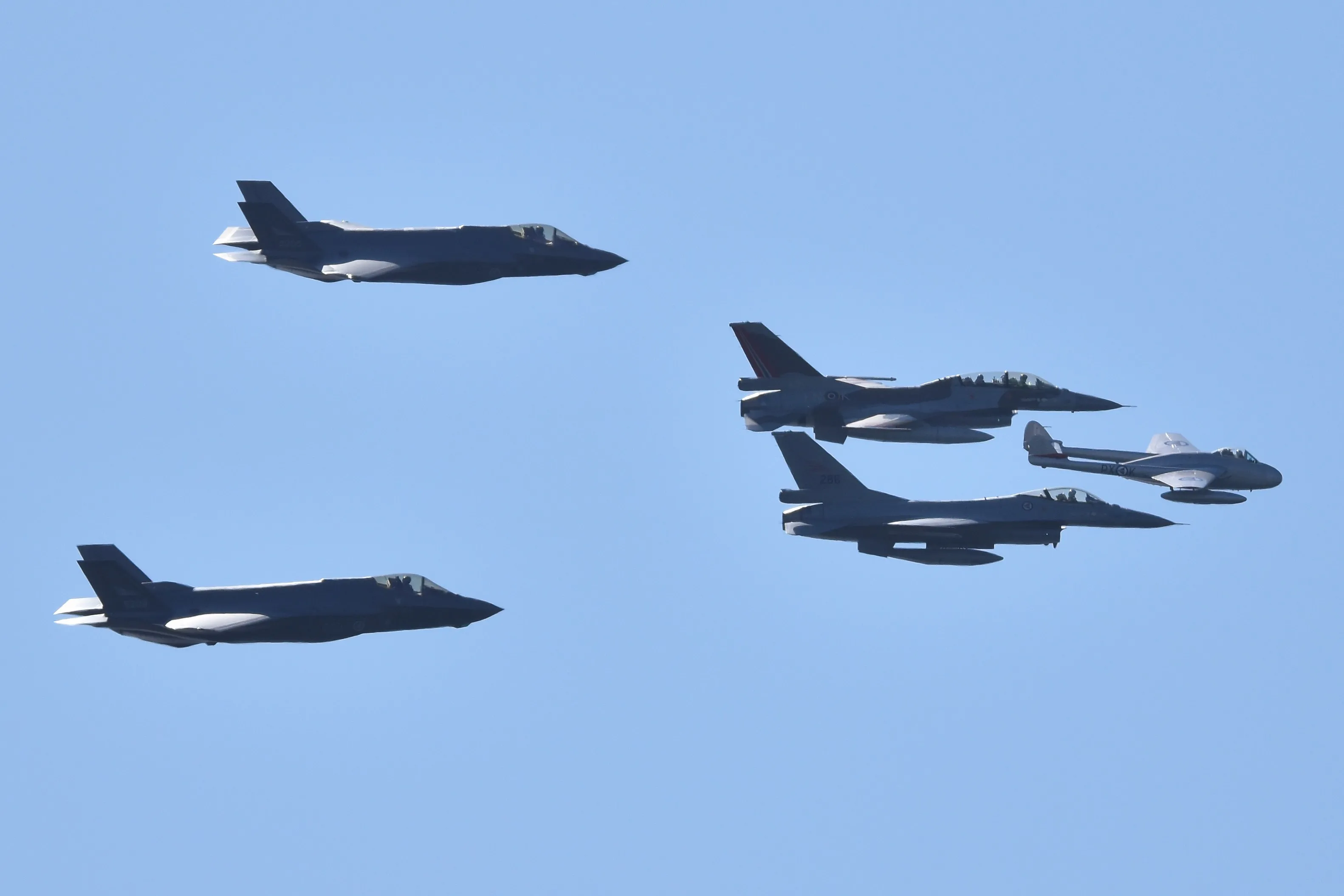
The Royal Moroccan Air Force has recently marked a significant milestone with the successful maiden flight of its advanced F-16 Block 72 fighter aircraft, which is currently undergoing extensive flight testing prior to its final delivery. This aircraft is part of a broader initiative aimed at enhancing Morocco's defense capabilities through a robust partnership with Lockheed Martin. The Block 72 variant is touted as the most sophisticated model within the F-16 series, boasting a series of upgrades that include state-of-the-art avionics, advanced sensor technologies, improved mission systems, and enhanced safety features, all meticulously designed to ensure superior operational efficiency in various combat scenarios.
Strengthening Defense Ties and Future Aspirations
Mike Shoemaker, Lockheed Martin's vice president, emphasized that this maiden flight not only signifies a crucial step in the aircraft's developmental journey but also heralds a remarkable enhancement in Morocco's air power capabilities as the nation prepares to welcome its first of these advanced jets. Lockheed Martin's collaboration with Morocco has been a historical one, spanning nearly five decades, beginning with the delivery of the first C-130 transport aircraft to the country. Over time, this partnership has evolved to include the provision of advanced radar systems, Black Hawk helicopters, and HIMARS artillery rocket systems, showcasing a deepening relationship between the two entities.
In line with this strategic alliance, Lockheed Martin is also aiding Morocco in establishing a modern maintenance facility aimed at servicing both transport and fighter aircraft. This facility, which will cover an area exceeding 8,000 square meters, is designed to position Morocco as a regional hub for aircraft maintenance, catering to needs across the Western Mediterranean and the African continent. Technically, the F-16 Block 72 is powered by a Pratt & Whitney engine and equipped with an APG-83 active electronically scanned array (AESA) radar, alongside the Viper Shield electronic warfare suite, a contemporary flight computer, and an automatic ground collision avoidance system. This advanced configuration is expected to remain operational until at least 2060, contributing to a legacy that has seen nearly 5,000 F-16 aircraft produced globally since its inaugural flight in January 1978.
As reported by israeldefense.co.il.