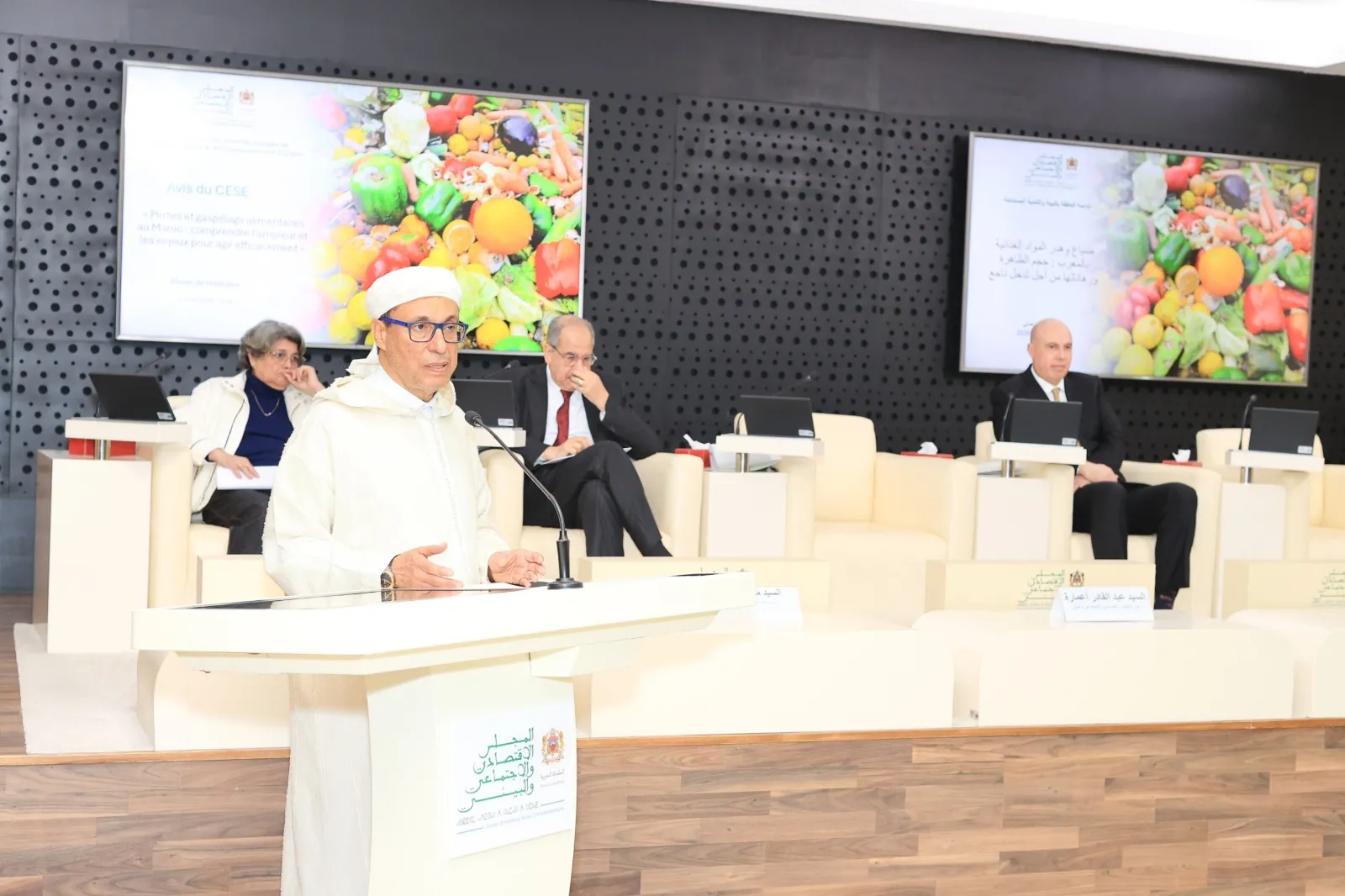

Addressing Morocco's Alarming Food Waste Rates
In a pressing call to action, the Economic, Social, and Environmental Council (CESE) of Morocco has highlighted a staggering issue: in 2022 alone, Moroccan households collectively discarded around 4.2 million tons of food, translating to 113 kilograms per person each year. This figure marks a significant increase from the 91 kilograms recorded in 2021, underscoring the urgent need for a comprehensive national strategy to combat food loss and waste.
CESE President Abdelkader Amara opened a recent session by emphasizing that food waste is not confined to the consumer level but is a pervasive issue throughout the entire food value chain, from production through to consumption. The data, sourced from the 2024 United Nations Environment Programme, formed the basis of CESE's advisory opinion titled "Food Losses and Waste in Morocco: Scale of the Phenomenon and Levers for Effective Intervention." During the session, various stakeholders were urged to implement coordinated responses to this growing crisis.
Understanding the Causes Behind Food Waste
To delve deeper into the reasons for such extensive food wastage, a citizen consultation conducted through CESE’s platform “Ouchariko” garnered 1,591 responses. The results revealed that a significant 25% of respondents discard food primarily due to changes in appearance or smell, often overlooking items that are still safe for consumption. Additionally, 21% attributed their waste to expired use-by dates, reflecting a common misconception surrounding food labeling. Other contributing factors included poor meal planning (16%), purchasing excess quantities (12%), and a lack of knowledge regarding food preservation methods (also 12%). This trend is particularly concerning given the variety of food products being discarded; canned goods accounted for 36% of waste, followed closely by ready-to-eat meals at 35% and fresh produce at 23%.
In light of these findings, CESE has called for immediate implementation of a dedicated national plan that addresses food waste holistically. While acknowledging existing initiatives from both public and private sectors, CESE noted the absence of a cohesive legal framework and a unified national vision, which hampers the effectiveness of current efforts. Among the recommended measures are the enactment of an anti-waste law aimed at preventing the destruction of unsold food, along with facilitating its redistribution to charitable organizations and food banks. Furthermore, CESE advocates for clearer expiration date labeling practices and the establishment of a multi-stakeholder governance mechanism that includes various sectors to tackle food waste collaboratively.
Operational recommendations also include enhancing storage and transportation infrastructures, particularly in regions with high agricultural potential, and developing local processing units to manage surplus food effectively. By promoting recycling and donation practices, integrating food waste education into school curricula, and employing digital solutions for better stock management, Morocco can take substantial steps towards reducing food waste and fostering a sustainable food system. The time for action is now, as the environmental and economic implications of this crisis are far-reaching and demand urgent structural responses.
As reported by moroccoworldnews.com.