
The Rise of Moroccan Football
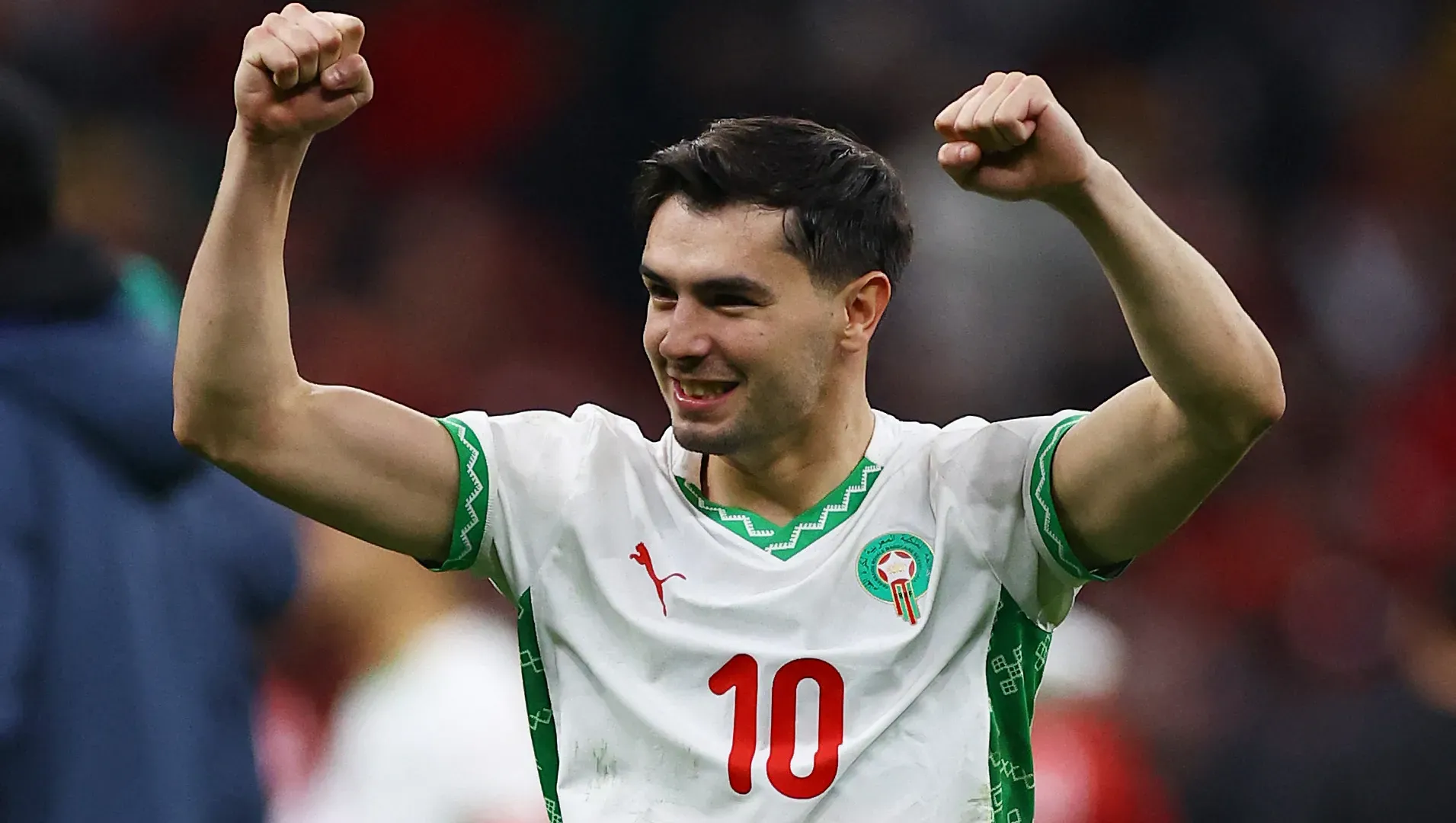
In recent years, Morocco has dramatically transformed its footballing landscape, evolving from a team often eliminated in the early rounds of the Africa Cup of Nations (AFCON) and consistently missing out on World Cup qualifications to a formidable presence in the global arena. This remarkable journey culminated in the Atlas Lions reaching the semifinals of the Qatar World Cup in 2022 and currently holding a place among the top ten in the FIFA men's rankings. Their successes are not confined to the senior men's team; this upward trajectory extends across all age categories and genders, marking Morocco as a rising football powerhouse.
Morocco's current accolades include being the reigning AFCON champions for 2025, following Senegal's title strip, alongside impressive performances in multiple tournaments such as the 2025 Women’s Africa Cup of Nations (WAFCON), the FIFA Arab Cup, and various youth championships. The country has also achieved notable milestones, including a bronze medal in the men's football event at the 2024 Olympics and victories in Futsal AFCON, U-20 FIFA World Cup, and U-17 AFCON, showcasing a comprehensive investment in football across all levels.
Strategic Foundations of Success
The foundation of Morocco's football success is not coincidental but rather the result of a well-structured strategy that emphasizes good governance, substantial financial investment, and the development of competent human resources. A source affiliated with the Royal Moroccan Football Federation, who requested anonymity, revealed that this strategic vision was laid out by King Mohammed VI during the Skhirat Sports Conference in 2008, marking the inception of a long-term national development plan for football.
The initial focus was on reforming governance, highlighted by the establishment of a national financial control department aimed at professionalizing Moroccan football's financial structure. This was complemented by a significant investment in football infrastructure at all levels, including the creation of numerous local pitches, known as 'proximity fields,' that are accessible to all citizens and promote widespread participation in the sport. Moreover, Morocco's Mohammed VI complex and academy in Maamoura is considered one of the finest training facilities globally, equipped with state-of-the-art amenities and having produced many top players for the national team.
With the reform of national eligibility rules, Moroccan football has also benefited from the talents of players from the European diaspora, such as Hakim Ziyech and Nordin Amrabat, further solidifying the team's competitive edge. The recent addition of young talent Ayyoub Bouaddi from Lille, who chose to represent Morocco despite interest from the French national team, exemplifies the bright future ahead for Moroccan football.
Despite the optimism surrounding Morocco's footballing journey, recent upheaval, particularly stemming from controversies in the 2025 AFCON final, raises questions about the stability required for success at the World Cup. Coach Walid Regragui's resignation following the tournament has led to the appointment of Mohamed Ouahbi, who faces the daunting task of balancing experienced players with fresh talent as Morocco gears up for the 2026 World Cup.
While Morocco's aspirations for the 2026 World Cup are high, informed observers recognize that this tournament represents merely a stepping stone on a longer path toward future success, including the 2030 World Cup, which will be hosted in Morocco. The ongoing development will enhance the country's infrastructure, human capital, and international appeal, ensuring that Moroccan football continues to thrive on the global stage.
As reported by aljazeera.com.