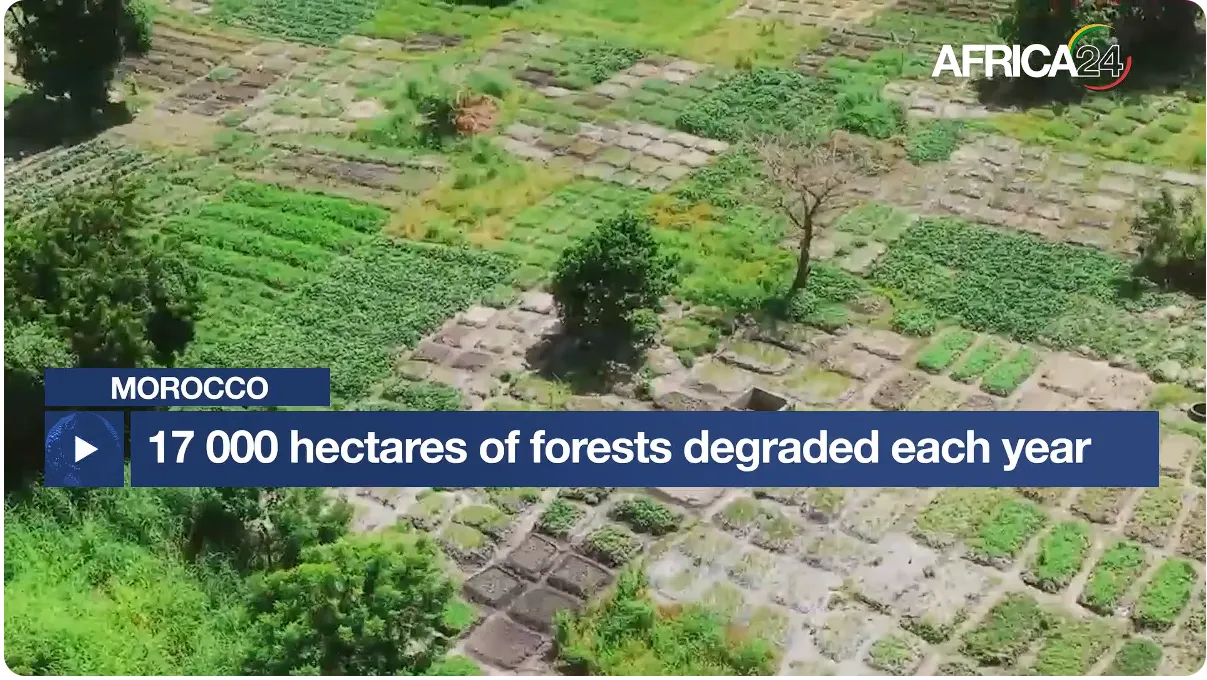

Addressing the Degradation of Morocco's Forests
In Morocco, the alarming rate of forest degradation poses a significant threat to the nation’s ecological balance and biodiversity. Each year, approximately 17,000 hectares of forest land fall victim to various pressures including climate change, prolonged drought, and human activities. This degradation is primarily driven by overgrazing and the unsustainable harvesting of timber, which not only diminishes the forest cover but also undermines the essential roles these forests play in water conservation, soil preservation, and biodiversity maintenance. Experts and civil society members recently convened in Rabat, emphasizing the urgent need for robust measures aimed at safeguarding these invaluable ecosystems, which are critical to both the environment and the local communities that depend on them.
The Call for Enhanced Conservation Efforts
During the meeting, Ezzeddine Benjelloun Touimi, the National President of the Moroccan Association for Forest Protection, articulated a vision for a comprehensive reforestation program that unites all stakeholders around the crucial mission of forest conservation. He highlighted the importance of raising awareness at both national and international levels regarding the plight of Morocco's forests. Additionally, Nadia Skiredj, a member of the same association, underscored the need to educate the younger generation about the significance of forests. This educational initiative is seen as vital for fostering a sense of responsibility toward environmental preservation among school children and future leaders. The strategies outlined in the “Forests of Morocco 2020–2030” plan focus on restoring ecosystems while also ensuring that forest resources are utilized sustainably. The collective mobilization of governmental institutions, researchers, civil society, and local communities is deemed essential for the effective preservation of Morocco's forests, safeguarding this strategic asset for generations to come.
As reported by africa24tv.com.