Morocco Completes Major Health Facility Rehabilitation Program
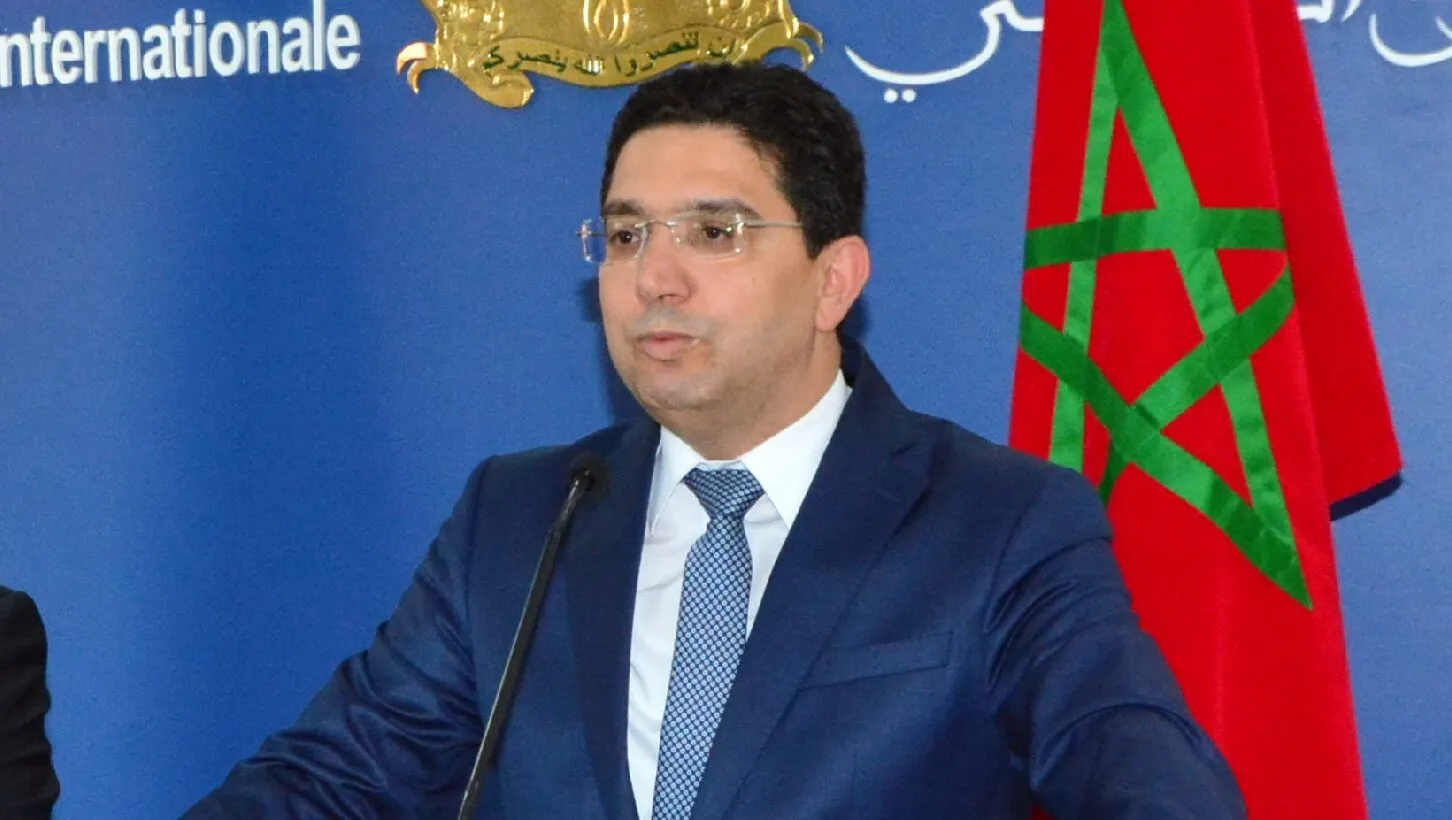
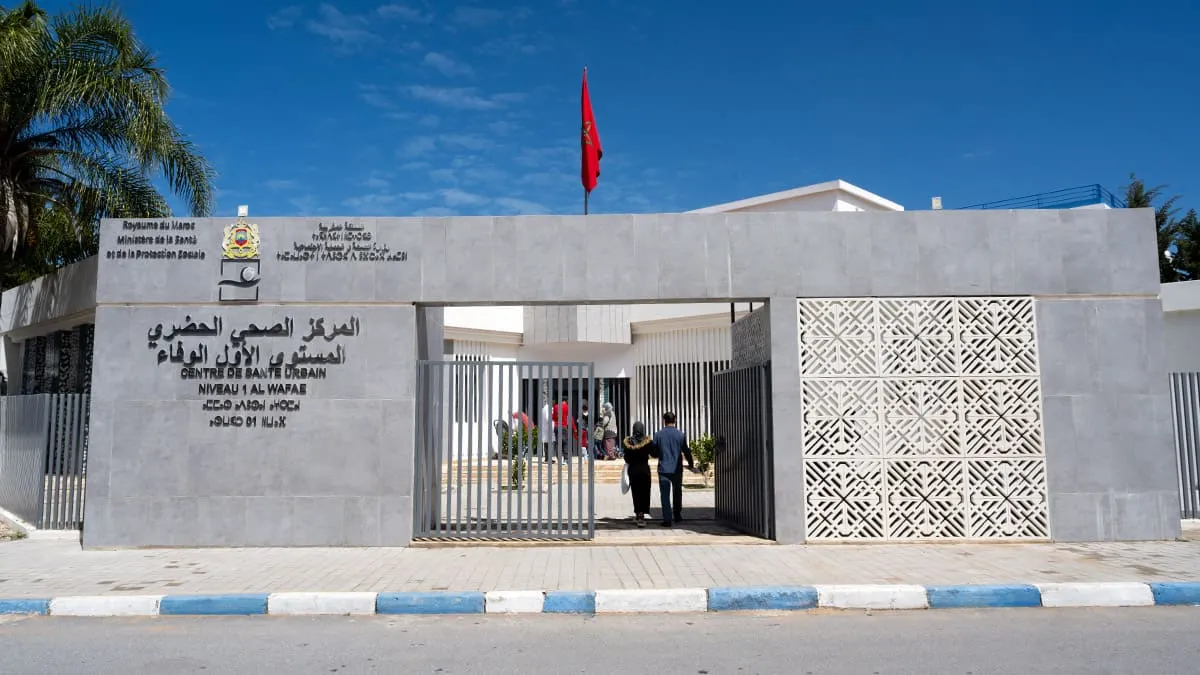
The Moroccan government has successfully finalized its extensive program aimed at rehabilitating primary health care facilities across the nation. This initiative, which involved the reconstruction, modernization, and equipping of 1,400 health centers throughout various provinces, was confirmed by Prime Minister Aziz Akhannouch. During a press statement marking the commencement of services at the proximity hospital in Aït Ourir and the second-level rural health center in Tazart—both located within the Marrakech-Safi region—Akhannouch announced that an additional 1,600 health centers are set to be included in the second phase of this governmental program aimed at enhancing health services in Morocco.
Strategic Goals and Future Phases of the Health Program
The Prime Minister elaborated that 500 health centers are slated for rehabilitation in the year 2026, with the overarching goal of reaching a total of 3,000 facilities nationwide. This ambitious effort is designed to adequately meet the medical care needs of the population across all twelve regions of Morocco. Akhannouch emphasized that this program represents a crucial initial step towards improving health care quality and accessibility, particularly in rural and remote areas. The enhancements to these health establishments encompass a wide array of services, with the objective of bolstering national health care offerings and promoting territorial equity.
The program not only aims to improve access to health services but also seeks to maximize care quality and ensure continuity of treatment, especially in underserved regions. Additionally, it strives to support the management of chronic diseases, maternal and child health, and school health initiatives. Looking ahead, the next phase will focus on maintaining accredited health centers, generalizing electronic health records, enhancing ongoing training for healthcare staff, and developing telemedicine services.
This modernization and consolidation initiative is part of a broader structural reform of Morocco's national health system, which aims to invest in the public sector to ensure equitable access to health services—a priority highlighted by King Mohammed VI in recent speeches. These investments are also intended to alleviate the pressure on hospitals, optimize patient flow, and enhance the accessibility of care services.
According to government data, the rehabilitation of 1,400 health facilities across all twelve regions of Morocco has involved an investment exceeding 6.43 billion dirhams, benefiting more than 20 million citizens in both urban and rural areas. The distribution of health institutions is extensive, with the Fez-Meknes region hosting 229 centers, Marrakech-Safi with 139, Casablanca-Settat with 111, and Tangier-Tetouan-Al Hoceima with 127 centers, among others in regions like Beni Mellal-Jenifra, Souss-Massa, the East, and the southern territories.
The program has adopted unified standards for equipping and rehabilitating health centers, taking into account geographical and cultural specificities, thereby promoting equal access to quality health services. The government is committed to strengthening the role of these institutions as pivotal points in patient treatment while also enhancing working conditions for healthcare personnel. Additionally, plans for the construction of new facilities in areas experiencing shortages have been laid out.
Primary health care serves as the foundation for reform, highlighting the significance of this program in alleviating hospital congestion and ensuring equitable access to health services, thereby reducing disparities across Morocco's various regions. This initiative is part of a broader context that seeks to reform the health system and activate the requirements of Framework Law 06-22, which establishes a new vision based on territorial justice and universal health coverage.
The initiative is strategically significant, aiming not only to improve numerical outcomes but also to rebuild public trust in health centers. It aspires to reduce inequalities in health coverage and ensure proximity services for the most vulnerable populations. The reform of the health sector is not merely a temporary intervention; it has become a long-term strategic option. In this regard, the government is focused on the continuous training of healthcare personnel, a comprehensive evaluation of the impact of the completed phase, and the development of telemedicine services to improve the sustainability of the reform and elevate the quality of healthcare nationwide.
Despite significant improvements in Morocco's public health sector, the 2025 report from CEOWORLD ranks Morocco 74th globally, indicating ongoing challenges related to human resource shortages and infrastructure.
As reported by atalayar.com.