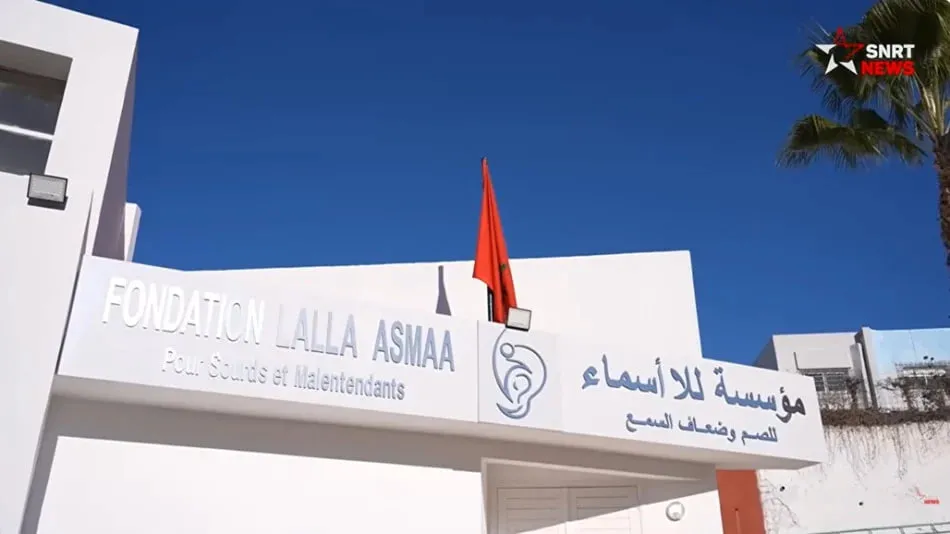

The healthcare system in Morocco is currently experiencing a surge of activity characterized by a diverse array of humanitarian initiatives, infrastructural and technological advancements, and advanced training programs. Morocco plays a pivotal role in the implementation of the fourth phase of the international program "United, We Hear Better," spearheaded by the Lalla Asma Foundation for the Deaf and Hard of Hearing. This initiative aims to enhance collaboration and knowledge exchange in the field of hearing impairment treatment.
According to the health bulletin from the Maghreb News Agency, this phase has seen 100 Kenyan children suffering from profound deafness receive cochlear implant surgeries as part of the international program that commenced its activities in Nairobi, Kenya, in November 2025. The execution of this fourth phase falls within the framework of South-South cooperation, allowing the beneficiary children to explore the world of sound, communication, and learning, while also transferring Moroccan expertise in hearing impairment treatment.
The Kenyan children who have benefited from Moroccan expertise in this domain have joined hundreds of children from 22 countries across Africa, the Middle East, and Latin America within the collaborative programs implemented by the Lalla Asma Foundation. This model reflects a commitment to utilizing Moroccan experiences and expertise to support brotherly nations through programs aimed at enhancing medical care and sharing knowledge in the treatment of hearing impairments.
The "United, We Hear Better" program, alongside the national "We Hear" initiative, has enabled cochlear implant surgeries for over 391 children from 22 countries, while more than 1,050 Moroccan children and adults have also benefited from cochlear implants.
“We Hear” Program: A Moroccan Model for Sharing Expertise
Dr. Fouad Ben Areeba, head of the Head and Neck Surgery Division at the Mohammed V Military Hospital in Rabat, emphasized that the "We Hear" program, supervised by the Lalla Asma Foundation, serves as a unique model that the kingdom is eager to share with numerous countries across Africa, the Arab world, and Latin America. He explained that this program represents a continuation of a long-term commitment to providing care for every child suffering from hearing loss and profound deafness, beginning with diagnosis and extending through auditory rehabilitation and speech therapy to continuous medical follow-up.
Moreover, the national "We Hear" program, benefiting Moroccan children, is part of a vision aimed at ensuring healthcare accessibility, promoting innovation, and enhancing solidarity while sharing Moroccan expertise with friendly nations in Africa, the Arab world, and Latin America.
Enhancing Training in Robotic Surgery and Mental Health Initiatives
In a related development, the Mohammed VI School of Interventional Simulation and Robotic Surgery, affiliated with Mohammed VI University of Health Sciences in Casablanca, recently celebrated its first cohort of graduates in robotic surgery during a diploma ceremony for surgeons and operating room nurses who participated in a specialized training program earlier this year. Launched on January 26, 2026, as part of the school's academic activities, this program aims to enhance the competencies of healthcare workers in robotic-assisted surgical techniques by combining theoretical, practical, and simulation training.
The training is supported by a specialized educational framework that includes simulation equipment, dedicated training robots, augmented reality platforms, and various units focused on interventional specialties. Professor Mohamed Shahbouni, director of the Mohammed VI International Center for Simulation in Health Sciences, underscored the importance of training in developing the skills of healthcare professionals and keeping pace with the advancements in robotic surgery in Morocco.
Furthermore, the Moroccan Ministry of Health and Social Protection has launched the "Mental Health Plan 2030," aimed at improving access to mental health services, enhancing continuity of care, and elevating the quality of services provided. This plan serves as a national framework to bolster mental health and prevent psychological disorders, alongside supporting rehabilitation and social reintegration.
With a strong emphasis on early intervention and prevention throughout the life stages, the strategy includes significant transformations to place mental health at the core of the healthcare system, ensuring that individuals can access treatment promptly and close to their homes. Additionally, the plan seeks to enhance human resources by increasing the number of mental health specialists in the public sector and establishing a legal framework to regulate the profession of psychologist.
As part of the ongoing efforts to improve primary healthcare services, 15 primary healthcare institutions have been inaugurated across six Moroccan regions following rehabilitation and equipping activities. This initiative is part of the national program to upgrade 1,600 primary healthcare institutions, with 500 institutions targeted for completion by 2026. The goal is to enhance the quality of essential health services and respond to the growing demand for healthcare services among the population of over 375,677 residents, while also equipping healthcare facilities with vital medical equipment and deploying adequately trained healthcare professionals.
As reported by sana.sy.