
Morocco's Strategic Communication Ahead of the European Parliament Debate
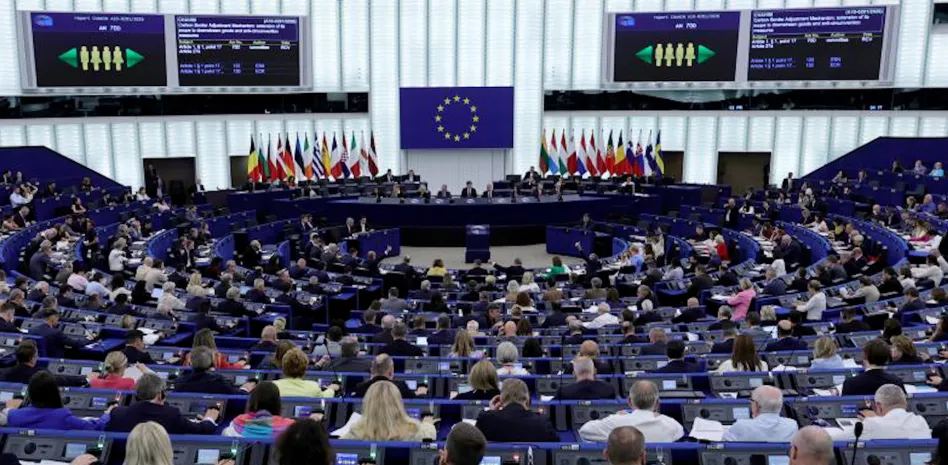
In an effort to shape the discourse surrounding the ongoing migration crisis in Ceuta, Morocco has strategically reached out to European lawmakers. This initiative was highlighted as the European Parliament convened in Strasbourg for a pivotal discussion and vote on the matter. On Monday, Morocco sent a selective letter to various Members of the European Parliament (MEPs) to convey its stance on the situation. This correspondence, revealed by Oihane Agirregoitia, an MEP from the Basque Nationalist Party (PNV), was dispatched from the Moroccan Mission to the European Union and NATO, underscoring the importance Rabat places on its relationship with European institutions.
The letter articulates Morocco's commitment to readmit all affected individuals, including Moroccan citizens, unaccompanied minors, and nationals from third countries, in light of what it describes as an exceptional, complex, and unfortunate crisis. Furthermore, it emphasizes Morocco's ongoing cooperation with both the European Union (EU) and Spain, asserting that the Spanish government has publicly stated that the information available does not implicate Morocco in the responsibility for the crisis.
Key Perspectives from European Lawmakers
During the debate, European Commissioner for Home Affairs and Migration, Magnus Brunner, acknowledged the need for increased efforts to address the challenges posed by the crisis in Ceuta. He expressed confidence in the European migration policy, claiming that the return system is functioning more effectively and that Europe has made significant strides regarding illegal immigration. However, he reiterated the need for further action, stating, "Our priority is clear: all those who entered illegally and do not have the right to stay must be returned." Brunner is scheduled to visit Madrid to meet with ministers responsible for territorial policy, interior affairs, and social security and migration.
MEP Jeroen Lenaers from the European People's Party (EPP) shifted the focus onto the Spanish government, asserting that while police efforts were commendable, the government itself failed to respond adequately to the crisis. He called for more exceptional tools for member states, emphasizing that the situation in Ceuta is not merely a Spanish issue but a challenge to European security. Meanwhile, Iratxe García-Pérez, president of the Progressive Alliance of Socialists and Democrats, urged for solidarity among member states and criticized Italy for suspending the Schengen agreement with Spain. In a pointed remark directed at the EPP, she suggested that if they genuinely cared about Ceuta, they should engage in the redistribution of unaccompanied minors within the autonomous communities they govern.
Dolors Montserrat, the EPP spokesperson in Brussels, placed the spotlight on the management of the crisis by the Spanish government, accusing Prime Minister Sánchez of negligence by vacationing during the turmoil. Montserrat was particularly critical of Morocco, stating, "Morocco is also responsible, whether by action or omission; as a European partner, it must respond with respect and reciprocity." The EPP's proposed text leaves open the possibility of reassessing the relationship between Rabat and the EU.
In a similar vein, Jorge Buxadé from Vox urged for the suspension of the association agreement with Morocco and all other international accords, except for those related to the return and expulsion of Moroccan nationals. He also called for halting all pending payments to Morocco, the issuance of entry visas for Moroccan nationals, and the granting of residency permits.
As the European Parliament prepares to vote on a resolution reflecting its stance on the situation in Ceuta, the debate is set against the backdrop of hybrid attacks from third countries targeting the European continent. While the current focus is on Morocco, similar tactics have been previously employed by Russia and Belarus against Eastern European nations. The reference to Rabat in the resolution will be crucial for reaching a consensus, as the EPP holds Morocco directly accountable for the crisis, whereas the socialists prefer to avoid direct confrontation.
Ultimately, the resolution, which will be voted on Thursday, is expected to be sufficiently generic to garner a parliamentary majority. However, socialists have ruled out supporting a text that connects the mass arrival of migrants in Ceuta with the regularization of immigrants sanctioned by the government.
As reported by lavanguardia.com.