Revolutionizing Urban Infrastructure in Morocco
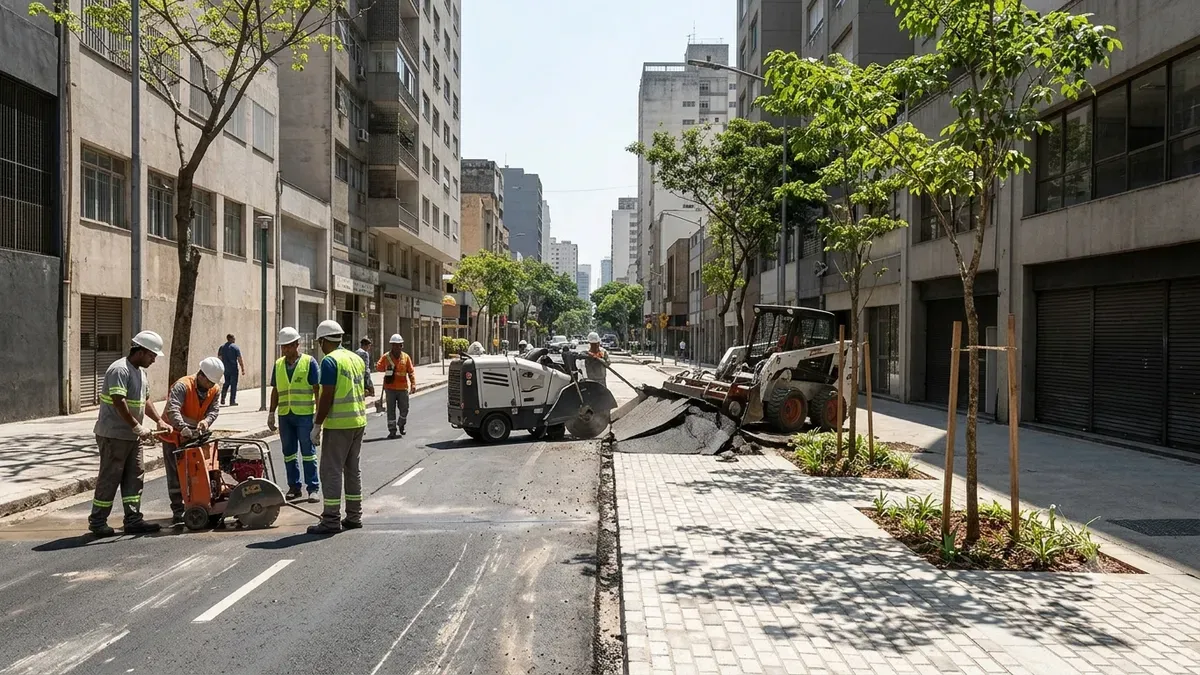
In a bold initiative aimed at combating the rising temperatures in urban areas, cities like Marrakech and Agadir in Morocco are removing traditional black asphalt from their streets. The Moroccan government is replacing this conventional pavement with permeable and porous materials designed to retain soil moisture and filter rainwater. This strategic urban planning maneuver seeks to address extreme temperature fluctuations while promoting environmental sustainability.
The heavy machinery is actively lifting the impermeable asphalt that has dominated the urban landscape for decades, particularly in the hottest regions of the country. The goal of this significant transition is to substitute this non-absorbent surface with a material capable of retaining water within the soil, thereby transforming the streets into effective regulators of the urban microclimate. This innovative approach not only enhances the resilience of urban infrastructure but also establishes a natural cooling mechanism that can significantly mitigate the urban heat island effect, a phenomenon where urban areas experience higher temperatures due to human activities and infrastructure.
Harnessing Natural Processes for Urban Cooling
The newly introduced porous pavement acts like a sponge, allowing rainwater to penetrate directly into the ground. This process creates small aquifers beneath the sidewalks and roads, which not only helps prevent sudden flooding by controlling water absorption but also initiates a continuous evaporation process from the subsurface to the surface, effectively cooling the streets. The immediate impact of this shift is a marked reduction in the heat retained by urban structures, thus lowering surrounding temperatures and decreasing reliance on air conditioning systems.
One of the essential aspects of this initiative is the innovative use of treated wastewater to maintain the soil moisture levels in a controlled manner. This artificial humidity ensures that the natural cooling process remains effective, even during dry spells or in the face of heat waves that push temperatures above 40 degrees Celsius. This initiative was prompted by a summer wherein authorities documented an alarming increase of 10,000 heat-related deaths across Europe, highlighting the urgent need for sustainable solutions in the face of climate change.
With this pioneering method, Morocco sets a precedent that could inspire similar strategies worldwide in the fight against extreme temperatures and climate change. The project illustrates the potential for urban areas to adapt and innovate in response to environmental challenges, paving the way for a more sustainable urban future.
As reported by losandes.com.ar.