
Challenges in Repatriating Moroccan Minors from Ceuta
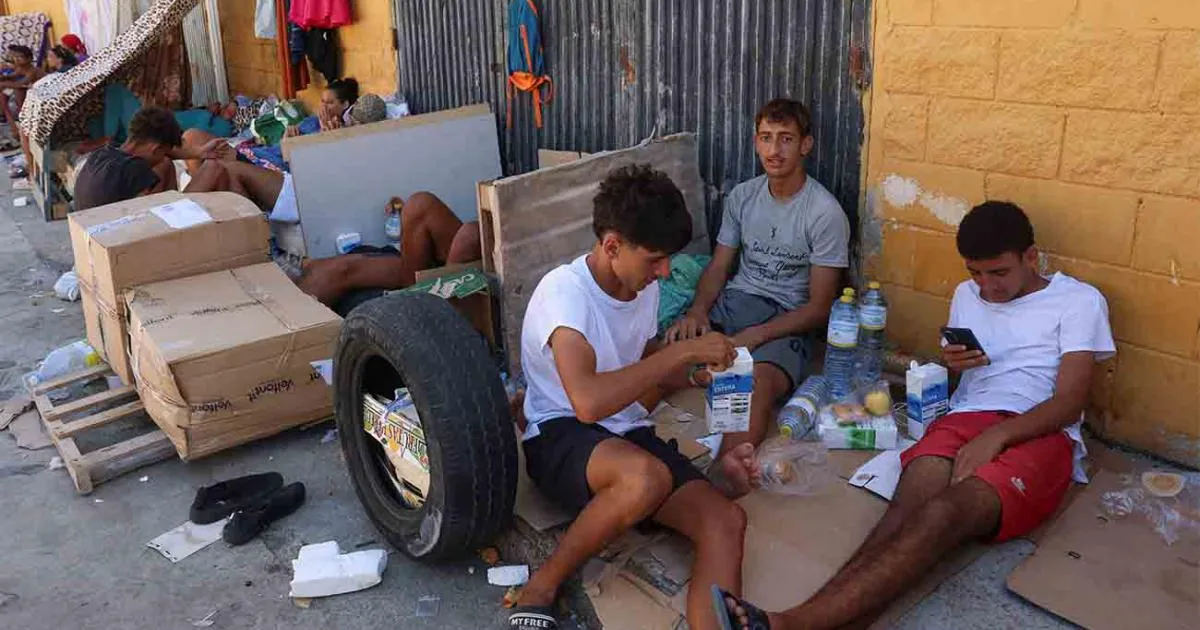
RABAT - In a pressing statement made on Monday, Morocco’s Minister of Justice, Abdellatif Ouahbi, underscored the critical obstacles impeding the repatriation of Omani and Moroccan youth from Spain. He pointed specifically to identification errors and missed handovers by Spanish authorities as significant roadblocks, despite ongoing bilateral discussions aimed at resolving these issues between Rabat and Madrid. The situation of unaccompanied Moroccan minors stranded in the Spanish enclave of Ceuta remains mired in administrative and procedural complexities that have halted progress.
During an interview with the German broadcaster DW, Ouahbi elaborated on the current state of negotiations, indicating that numerous meetings have been held, yet they have not succeeded in paving the way for these minors' return. He expressed a firm stance on the matter, emphasizing that the Spanish authorities continue to impose logistical and procedural challenges that hinder the repatriation efforts.
Identification Errors and Missed Handover Dates
One of the primary challenges identified by Ouahbi lies in the identity verification process. He explained that Spain frequently sends files to Moroccan authorities requesting the repatriation of children recognized by Madrid as Moroccan nationals. However, the verification process often uncovers discrepancies. Ouahbi stated, "Even the children whose files they provided to us as part of the repatriation process turned out to be non-Moroccan." Moroccan officials have made it clear that no transfer can take place without formal verification of a child's Moroccan citizenship.
In addition to issues surrounding nationality verification, Ouahbi highlighted a second significant complication: missed handover dates. In instances where Moroccan identity has been confirmed, Moroccan officials prepare verified lists and coordinate with Spanish authorities to set a date for the official handover of the minors. However, upon reaching the scheduled time, the children are often not presented for transfer. Ouahbi noted that Spanish officials usually justify these missed appointments by claiming they are unable to locate the children when the time for the transfer arrives.
While the channels of institutional dialogue between Rabat and Madrid remain open, these persistent procedural hurdles continue to obstruct the repatriation process. As a result, this sensitive humanitarian and diplomatic issue remains unresolved, lacking a clear timeline for when a resolution might be reached.
As reported by middle-east-online.com.