
Morocco's Firm Stance on Ceuta and Melilla
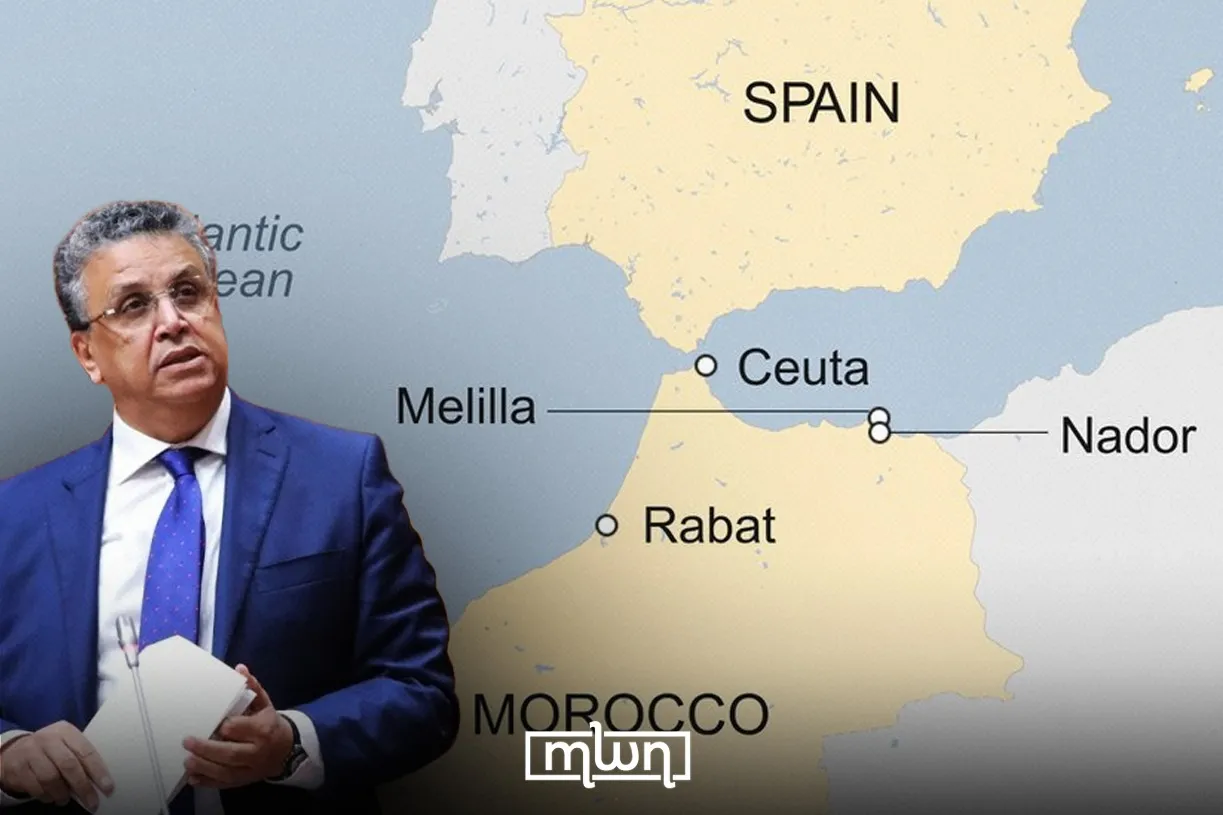
In a recent statement that reignited longstanding tensions between Morocco and Spain, Morocco’s Justice Minister Abdellatif Ouahbi declared that the cities of Ceuta and Melilla will continue to be a focal point of dialogue between the two nations. Speaking on the public channel 2M, Ouahbi asserted Morocco's historical and geographical claims over the enclaves, which Spain has long considered off the negotiation table. His remarks underscored a commitment to pursuing a 'dialogue commission' that would focus specifically on these territories, emphasizing that this issue cannot be ignored or allowed to fade from memory.
Ouahbi's insistence on finding a 'definitive solution' implies a singular ultimate goal: the return of Ceuta and Melilla to Moroccan sovereignty. His statements, although made during a discussion about Morocco's new legal profession statute, diverted attention to the contentious relationship with Madrid, coinciding with Morocco's renewed demand for Spain to return unaccompanied Moroccan minors who had crossed into Ceuta during a recent crisis. Morocco stands ready to accept these minors once their identities are confirmed, a move that reflects the intricate nature of the diplomatic relations between the two countries.
Escalating Diplomatic Responses
The timing of Ouahbi's remarks is particularly significant, coming in the wake of a crisis in late July when a surge of around 80,000 people attempted to cross into Ceuta, overwhelming Spanish authorities and resulting in numerous fatalities. This situation has led to heightened scrutiny and criticism, with opponents suggesting that Morocco is leveraging its geographical advantages in the ongoing discourse. In stark contrast, Spain’s Foreign Ministry reacted promptly, issuing a firm rejection of any Moroccan claims over the cities, reinforcing that Ceuta and Melilla are integral parts of Spain and the European Union. Madrid has maintained that the status of these enclaves has never been and will not be a subject for discussion.
This exchange of statements reflects deeper historical grievances and a complex backdrop of colonial legacies. The Spanish government’s strong rhetoric echoes the sentiments of its Defense and Interior Ministers, who have asserted that any threats to Ceuta or Melilla equate to threats against all of Spain. The insistence on Spain's sovereignty over these cities has been met with skepticism by some, who argue that the historical context complicates the simplistic narrative of territorial integrity.
Morocco's position, articulated by Ouahbi, challenges the Spanish perspective and suggests that the issue is rooted in a much longer historical struggle that predates the modern political boundaries drawn in the wake of colonialism. The debate over the enclaves is not merely a matter of contemporary politics but is intertwined with centuries of history that has shaped both nations. As Spain continues to bolster its defenses against perceived threats to its territories, Morocco remains steadfast in its claims, pushing for a dialogue that it believes is necessary for resolution. Ouahbi's remarks signal that Morocco is not willing to let the matter rest, and the call for negotiations may yet force Spain to reconsider its position.
As reported by moroccoworldnews.com.