
Understanding the Legal Landscape for Women's Rights in Morocco
In recent years, Morocco has undergone significant legal reforms aimed at bolstering women's rights. Despite the progress made, human rights advocates emphasize that the primary challenge now lies not in the absence of legal texts but in the effective implementation of these laws within the judicial system. This gap between the established legal framework and its practical application persists, particularly concerning issues related to women.
According to data from networks such as the "Injad Against Gender Violence" and "Women in Solidarity," nearly 28,980 cases of violence against women were reported within a single year, with psychological violence accounting for 47% of these incidents. This statistic starkly illustrates the ongoing prevalence of such phenomena despite the existence of various legal and institutional mechanisms designed to combat them.
Human rights organizations assert that societal and familial pressures, coupled with the complexity and duration of judicial procedures, often deter women from pursuing cases related to violence or from continuing with them once they have been initiated. This reality underscores a significant aspect of the discrepancy between legal guarantees and the actual conditions present in Moroccan courts.
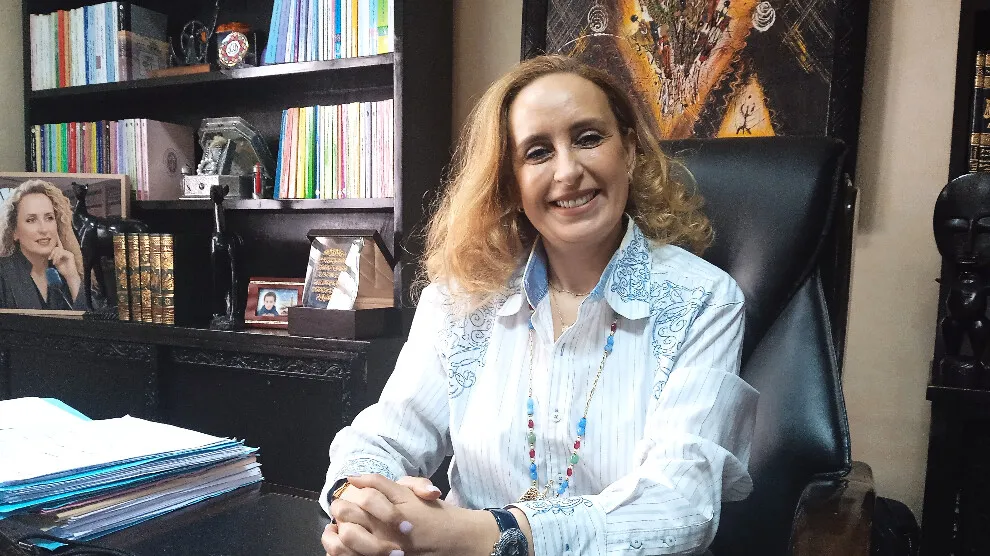
As expressed by attorney Kenza Chbehi Louhdi, the fundamental issue today does not stem from the absence of laws; rather, it is rooted in their effectiveness during everyday judicial application. She observes that while women's rights in Morocco have seen notable advancements in recent years—especially following the 2011 constitution, which reinforced principles of equality, parity, and non-discrimination—there remains a persistent gap between legal texts and their application in various cases involving women.
The Role of Legal Awareness in Empowering Women
Kenza Chbehi Louhdi asserts that legal awareness is a cornerstone for enhancing the protection of women. Empowering women with knowledge about their rights, obligations, and the available legal mechanisms enhances their capacity to make informed decisions and advocate for their interests within and outside of judicial institutions. She emphasizes that heightened legal awareness allows women to understand their rights and obligations better, making them more capable of making sound legal decisions and defending their rights effectively.
The advancements in economic, social, political, and legal realms have contributed to increasing women's awareness of their rights as guaranteed by law, including the principles of equality and parity. This heightened awareness enables them to interact positively with legal processes and better protect their interests. Furthermore, the importance of legal education and the supportive role of civil society organizations in aiding women to understand their rights cannot be overstated.
Regarding legislative reforms, Chbehi Louhdi notes the necessity for ongoing legislative and institutional reforms, alongside enhanced training for various actors within the justice system. Implementing an approach that considers the specificities of women's issues is crucial to ensuring the proper application of the law in this context. Morocco has witnessed a series of reforms aimed at addressing women's issues, particularly in combating violence against them and strengthening legal protections. However, the real challenge now lies not only in the existence of legislative texts but also in the effectiveness of their implementation in practice and the ability of judicial actors to recognize and handle these specific cases effectively.
In conclusion, the essential advice for women is to cultivate an awareness of both their rights and legal obligations, as this dual awareness empowers them to make informed legal decisions and defend their rights and interests within society.
As reported by jinhaagency.com.