
Intensifying Political Climate Ahead of Moroccan Elections
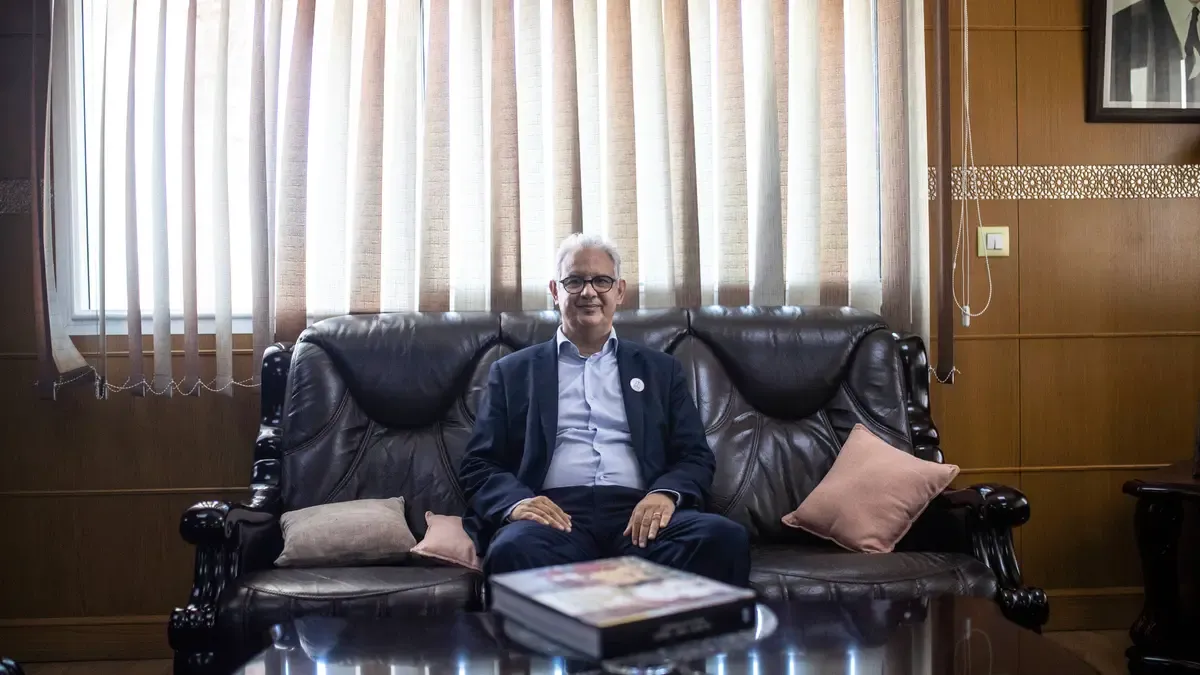
As Morocco prepares for its upcoming legislative elections scheduled for September 23, the political atmosphere is charged with tension. The ruling coalition, consisting of the National Rally of Independents (RNI), the Authenticity and Modernity Party (PAM), and the Istiqlal Party, finds itself in a precarious situation with internal disputes becoming increasingly public. These rifts have surfaced even before the official campaign launch on September 10, indicating a fractured alliance that could significantly impact their standing in the elections.
With approximately 15.8 million voters eligible to participate, the election will determine the composition of the House of Representatives, Morocco's lower parliamentary chamber. The political party that secures the most seats will be crucial in forming the next government, as per the constitutional mandate granting King Mohammed VI the authority to appoint the prime minister from the leading party.
Coalition Turmoil and Impending Challenges
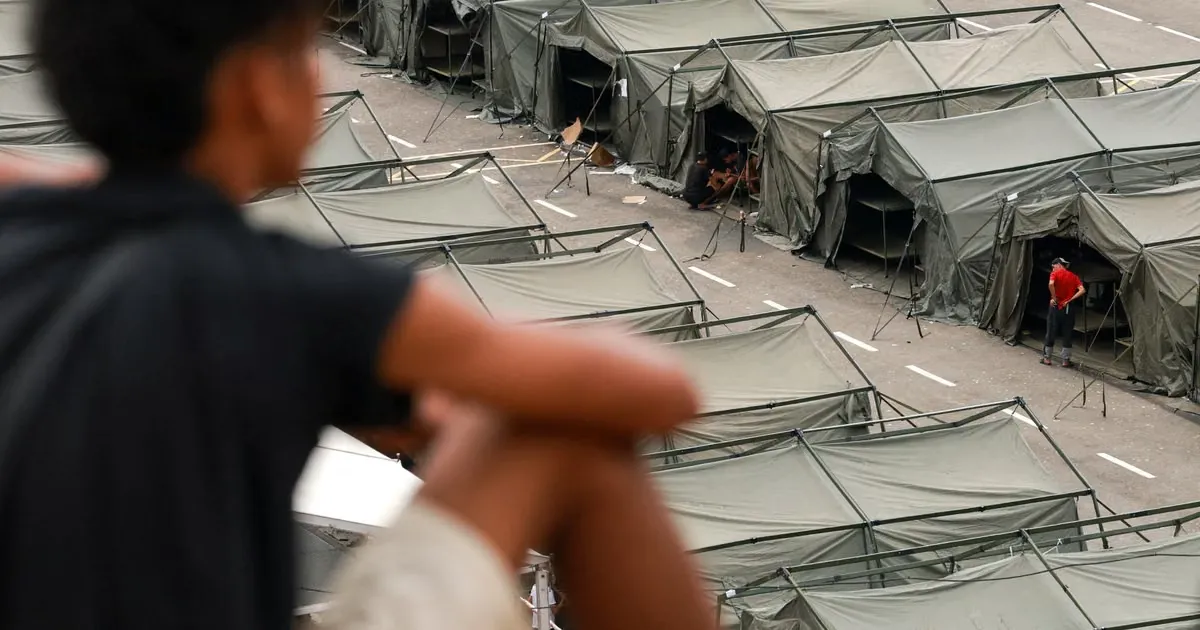
The constitutional constraints compel a fierce competition among parties, showcasing their strategies to bolster their negotiating power even before the campaign officially begins. The recently highlighted tensions have been exacerbated by a leaked audio recording involving Rachid Talbi, which has raised eyebrows and sparked discussions regarding the integrity and unity of the coalition. Furthermore, the backdrop of a recent migration crisis in Ceuta adds another layer of complexity to the electoral landscape, positioning it as a significant issue for candidates as they seek to engage the electorate.
As the political drama unfolds and the election date approaches, the stakes are higher than ever for Morocco's ruling coalition. Observers and citizens alike are keenly watching how these internal conflicts will affect their prospects and the broader implications for governance in Morocco.
As reported by courrierinternational.com.