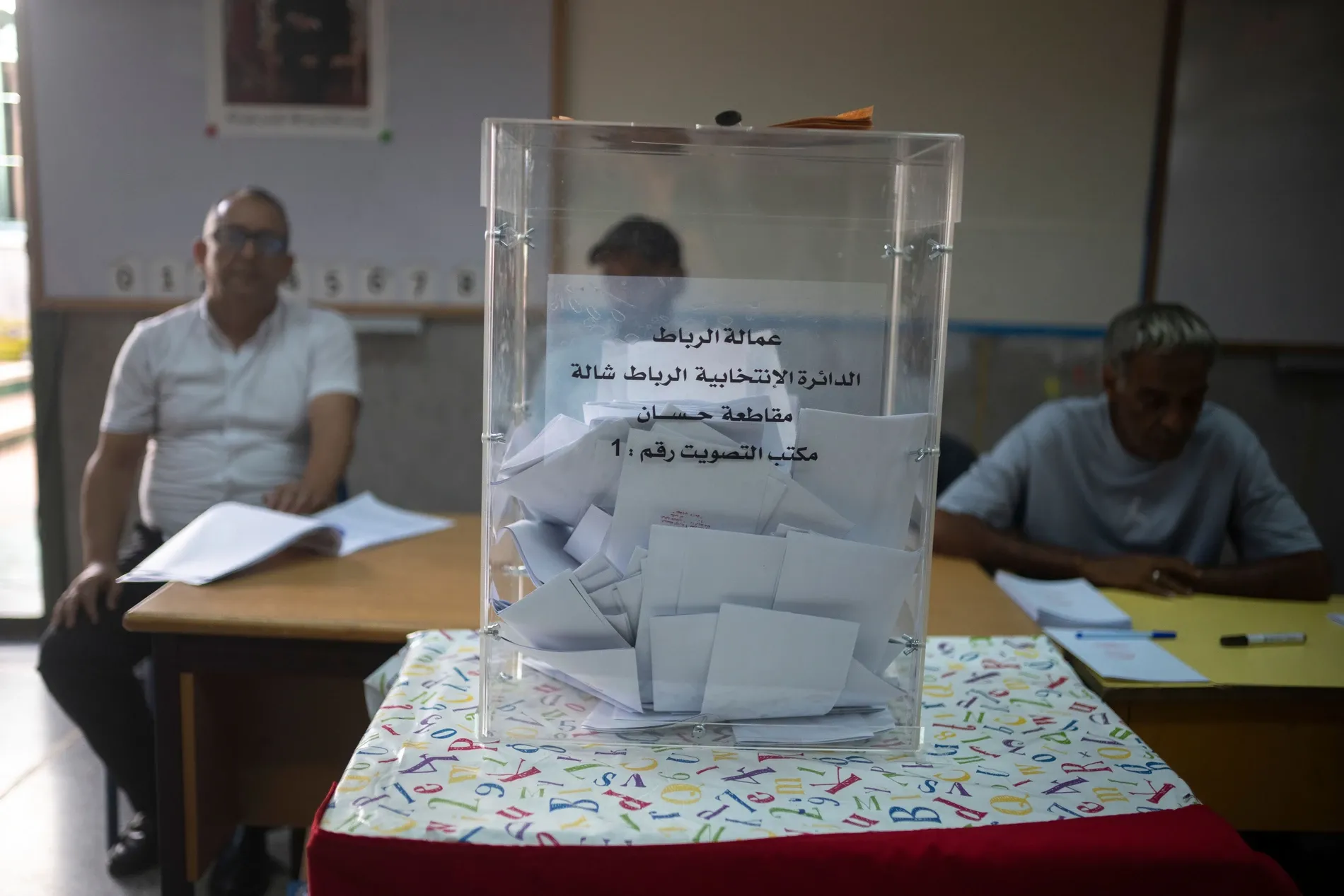

Historic Low Voter Turnout in Moroccan Elections
Morocco's recent legislative elections have been marked by a significant decline in voter participation, reaching its lowest level in nearly two decades. The elections, which were conducted amid a backdrop of social and economic challenges, saw only 36.3% of the electorate casting their votes. This stark statistic reflects a growing disillusionment among citizens towards the political process, as many expressed frustration with the perceived ineffectiveness of their elected representatives.
Coalition Government Maintains Power
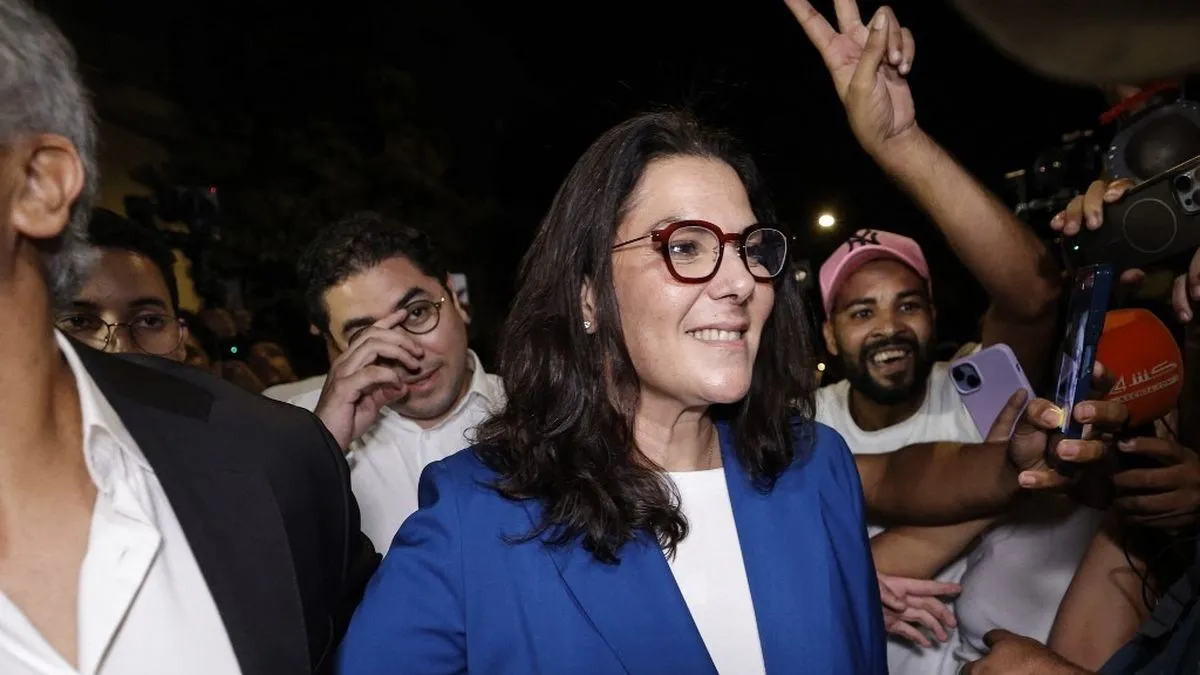
The ruling coalition, led by the National Rally of Independents (RNI), has managed to secure a majority in the parliamentary elections, despite the disappointing turnout. The coalition, which includes several other parties, has been in power since the last election cycle and is expected to continue its governance with a focus on economic recovery and social stability. Analysts suggest that the coalition's ability to maintain power, even in the face of record-low engagement, indicates a strong alignment with the political establishment, albeit one that now faces increasing pressure to address the concerns of a disengaged citizenry.
The implications of this electoral outcome are significant, as Morocco navigates complex socio-economic landscapes. The government is challenged not only to reinvigorate voter interest but also to implement policies that resonate with the populace and improve their living conditions. As the new legislative session begins, all eyes will be on how the coalition addresses these pressing issues, and whether they can foster a renewed sense of trust and involvement among Moroccan voters.
As reported by franceinfo.fr.