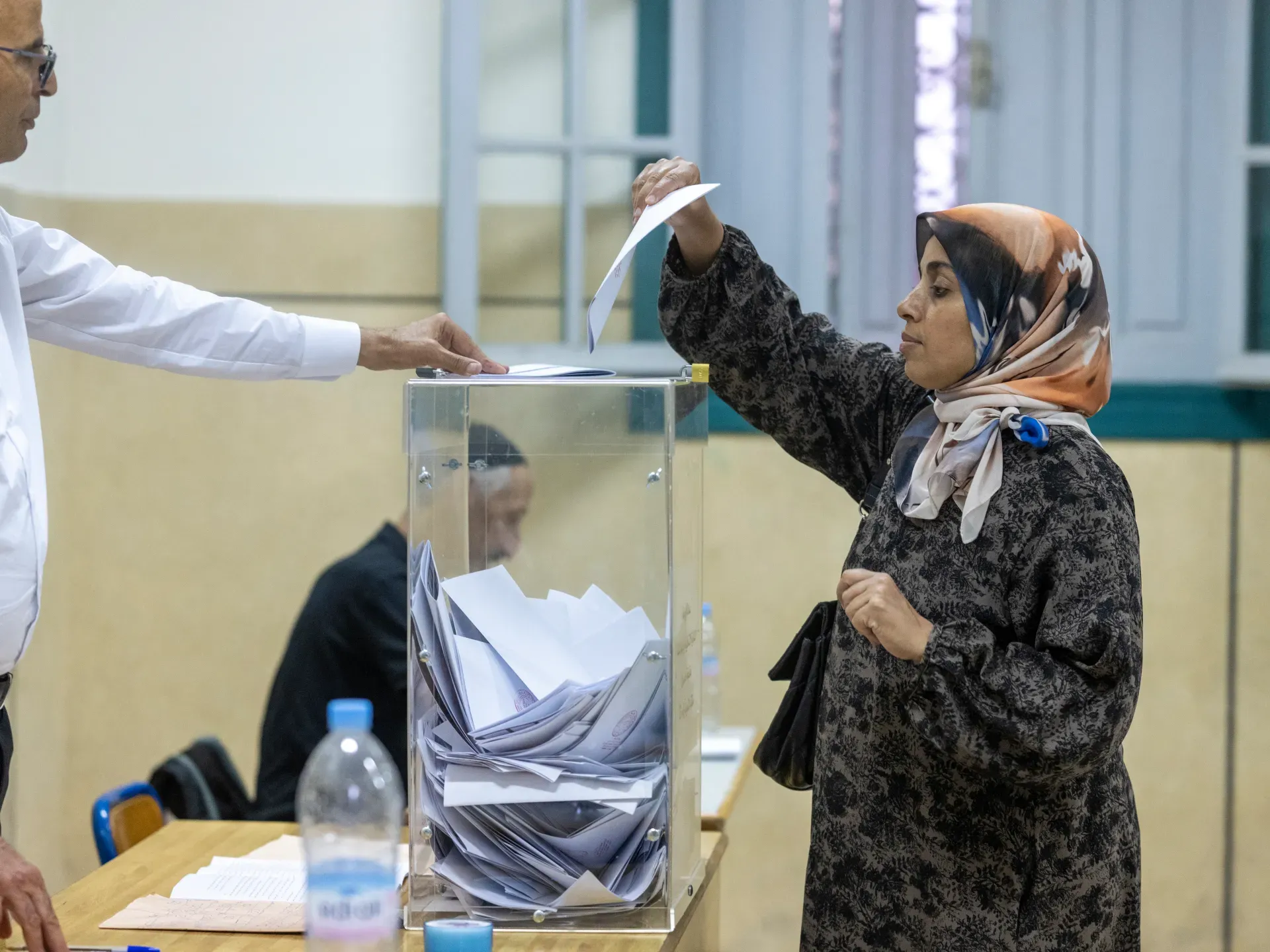

On September 26, 2026, the three parties that comprise Morocco's outgoing government coalition emerged as the frontrunners in the recent legislative elections, which saw a voter turnout of only 38%. This figure represents the lowest participation rate in nearly two decades, reflecting a notable decline in public engagement in the electoral process. According to a statement from Moroccan Interior Minister Abdel-Wafi Laftit, the final voter participation rate was recorded at 38.2% from approximately 15.8 million eligible voters.
The electoral process was reported to have proceeded smoothly and under normal conditions across all regions and provinces of the kingdom. As the results were announced, anticipation mounted regarding the appointment of the new Prime Minister by King Mohammed VI for the next five years.

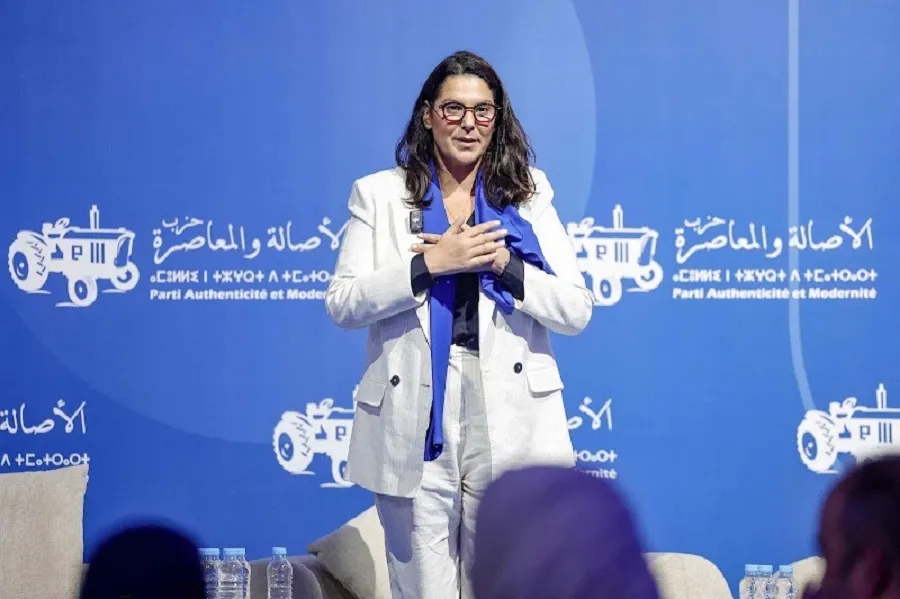
Among the prominent candidates for the position of Prime Minister is Fouzi Lekjaa, the Minister of Budget, who is also widely recognized for his leadership role in the Moroccan Football Federation and is affiliated with the Authenticity and Modernity Party. Another notable contender is Fatima Zahra Mansouri, the Minister of National Territorial Planning and Mayor of Marrakech, who could potentially become Morocco's first female Prime Minister. Mansouri expressed her honor at the prospect of being appointed by the king.
The incoming government will face several political, economic, and social challenges, including projects related to Morocco's participation in the organization of the 2030 FIFA World Cup. According to the final results of the elections, the Authenticity and Modernity Party led the electoral race with 97 seats, followed by the National Rally of Independents with 66 seats, and the Independence Party with 65 seats. These three parties will form the next government coalition. The Justice and Development Party secured 54 seats, placing fourth, followed by the Popular Movement with 29 seats.
A total of 27 parties participated in the elections for 395 available seats, with 1,850 lists submitted, totaling 7,288 candidates, including 2,658 women, as reported by the Ministry of Interior. Representatives from the participating parties, along with domestic and international observers, were present at polling stations during the voting process.
Voter turnout in this election marked a significant decline from the 2021 elections, which saw participation rates of around 50%, where the National Rally of Independents emerged victorious with 102 seats, followed by the Authenticity and Modernity Party with 86 seats, and the Independence Party with 81 seats.
As reported by aljazeera.net.