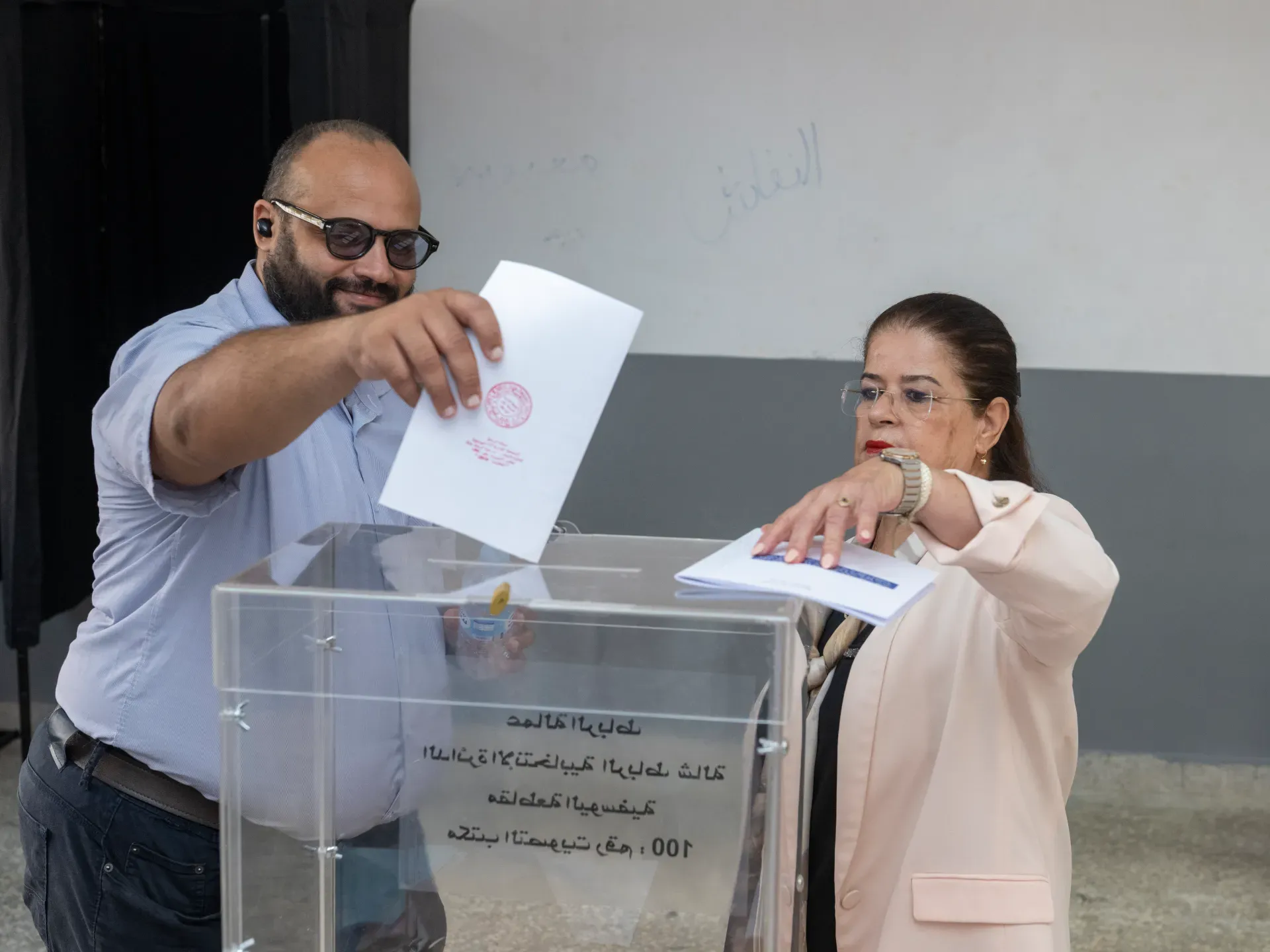

On Wednesday, millions of Moroccans cast their votes in a pivotal election that will shape the future of the House of Representatives, the lower chamber of the Moroccan parliament. This election marks the 12th legislative process since the country gained independence in 1956, with twenty-seven political parties vying for a total of 395 seats. With approximately 16 million eligible voters, the electorate is diverse, comprising 55 percent urban dwellers and 45 percent rural residents, each bringing unique concerns to the ballot box.
Economic Frustrations and Voter Sentiments
Despite King Mohammed VI retaining significant executive powers, the new government will be responsible for managing essential public affairs in the years ahead. Following the vote tally, the king is expected to appoint a head of government from the leading party, who must secure the backing of 198 deputies—a clear majority—to gain parliamentary confidence. This election is taking place against a backdrop of escalating economic difficulties that have sparked widespread discontent among the populace. Mohammed Masbah, head of the Moroccan Institute for Policy Analysis, highlighted the significance of these elections, noting that they unfold during a period marked by social and economic crises, particularly rising prices and the cost of living.
Masbah's insights are corroborated by the frustrations expressed by numerous citizens, especially the youth, who have taken to the streets in protests. Recent demonstrations, including a notable Gen Z movement and attempts by some to migrate to Ceuta, underscore the urgent need for government action. In an effort to enhance youth participation in the electoral process, a new financial initiative has been introduced to support candidates under the age of 35. However, the nearly six million Moroccans living abroad will face logistical hurdles, as they must designate proxies within Morocco to cast their votes on their behalf.
As Morocco approaches the significant milestone of hosting the 2030 World Cup, the demands for substantial investments loom large. Voters are acutely aware of the economic landscape, with inflation and living standards weighing heavily on their minds. Masbah anticipates that the elections will result in a government majority tasked with addressing pressing economic disparities, particularly the high cost of living that affects many families. Key issues dominating political discourse among the competing parties include employment and price stability.
Among the frontrunners in this election are the National Rally of Independents and the Authenticity and Modernity Party, both of which have placed these critical issues at the forefront of their campaigns. The political climate has been charged, with debates marked by conflict, especially between the two parties currently sharing power. Allegations of financial misconduct and candidate impropriety have permeated public discussions, potentially alienating voters from the electoral process.
Interestingly, despite the charged atmosphere, Morocco's Public Prosecution has observed a notable decline in election-related grievances compared to the 2021 elections. This year has seen the introduction of legal reforms targeting digital offences, including the spread of misinformation and defamatory allegations against candidates and voters. Digital platforms have emerged as significant battlegrounds for electoral violations, registering 22 complaints this year alone.
Masbah speculates that even amidst widespread frustration over economic management, voter turnout is likely to remain consistent, reflecting patterns established over the last two decades. He emphasizes that electoral behavior in Morocco often hinges less on party platforms and more on established networks of influence within rural and urban communities. These networks, composed of traditional leaders and notables, play a crucial role in mobilizing voter support through utilitarian strategies. If voter turnout does decline, Masbah predicts it will be gradual rather than catastrophic, largely due to the enduring influence of these traditional power structures.
As reported by aljazeera.com.