
Morocco's Parliamentary Elections Amid Youth Discontent
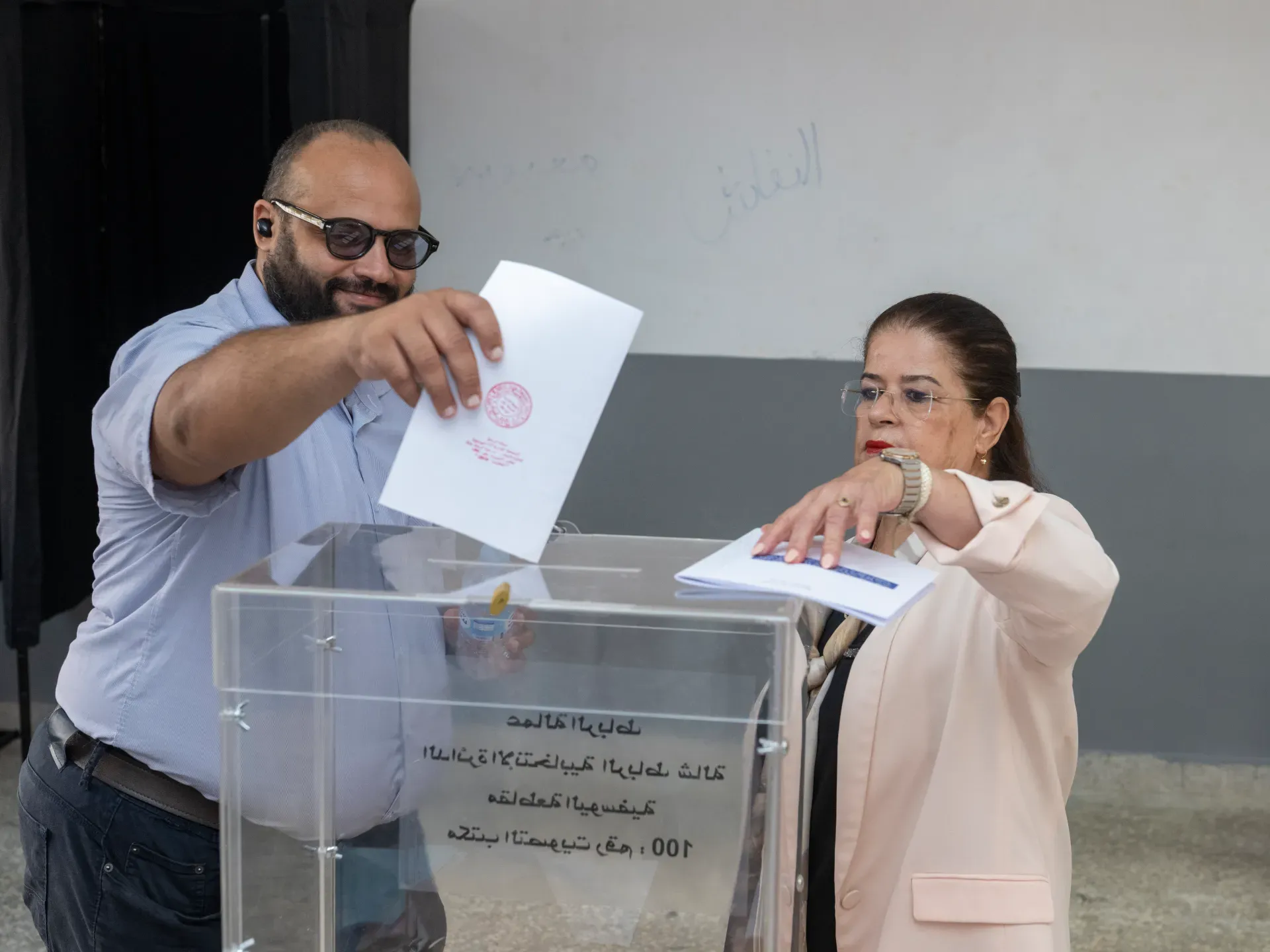
Polling stations across Morocco opened their doors on Wednesday for crucial parliamentary elections, taking place against a backdrop of significant frustration among the nation’s youth. Despite an economy that is expanding, the persistent issues of high unemployment and stark inequality continue to plague millions of young Moroccans. Nearly a year has passed since the unique protests led by Generation Z were met with a harsh crackdown from authorities. This summer, the discontent became palpable once again as tens of thousands of individuals attempted to cross from Morocco into the Spanish enclave of Ceuta, driven by aspirations of reaching Europe.
Morocco operates under a constitutional monarchy led by King Mohammed VI, who wields considerable power over strategic policies, particularly in the realms of foreign affairs and defense. Therefore, while the elections are significant, they are not anticipated to drastically shift the power dynamics in Rabat. Instead, the elections will decide which government will manage the daily political landscape and policymaking for the next five years.
The newly elected government will also oversee the final developments of an extensive infrastructure initiative in preparation for the 2030 FIFA World Cup, an event that Morocco will host in collaboration with Spain and Portugal. The International Monetary Fund has projected that investments in transportation and tourism infrastructure will reach approximately 190 billion dirhams (around $20 billion) leading up to the tournament, including enhancements to railways, airports, stadiums, and roads. This ambitious undertaking has led some citizens to refer to the next government as the "World Cup government."
The Political Landscape and Youth Engagement
According to Morocco's constitution, which was enacted following the Arab Spring protests in 2011, the king is required to appoint a prime minister from the party that secures the most votes in the parliamentary elections. The House of Representatives, consisting of 395 seats, is elected, and the prime minister must then form a coalition. However, the monarch maintains influential authority over key policies and presides over the Council of Ministers. Voting commenced at 8 a.m. local time and was expected to conclude by 7 p.m., with preliminary results anticipated the following day. Observers are particularly focused on voter turnout, especially among younger demographics, as an indicator of public trust in elected institutions. Out of approximately 26.7 million eligible voters in Morocco, around 15.8 million are registered, with only 4% of those being between the ages of 18 and 24.
The low registration and voting numbers reflect a broader political dilemma facing the nation. While Morocco has successfully attracted foreign investments, developed substantial industries, and emerged as Africa's most popular tourist destination, the benefits of this growth have been unevenly distributed. Youth unemployment rates among those aged 15 to 24 soared to about 37% in 2025, exacerbating the frustrations that erupted in protests led by Gen Z in September and October 2025. These demonstrations called for improved healthcare, education, job opportunities, and social justice, alongside demands for the resignation of Prime Minister Aziz Akhannouch. The government responded with a crackdown, leading to thousands of arrests and prosecutions.
Despite the government’s efforts to suppress dissent, the underlying discontent has not dissipated. In late July, around 70,000 individuals made attempts to cross into Ceuta, marking one of the most substantial movements into European territory in years. Tragically, reports indicated that approximately 100 people lost their lives during this endeavor, with most of those who crossed later being returned to Morocco. Young Moroccans, such as Ayoub Lasli, a lifeguard from Casablanca who attempted to swim to Ceuta, expressed indifference towards politics and elections. Meanwhile, environmental activist Siham Azeroual criticized the political system, describing it as a "complete circus" and voicing skepticism regarding any potential for meaningful change through the elections. Conversely, some young individuals like Ayoub Belaidi remain hopeful, asserting that if the voices of the youth are genuinely heard, genuine change could occur.
As the elections unfolded, economic concerns dominated the campaigns. The National Rally of Independents (RNI) and the Authenticity and Modernity Party (PAM), both part of the outgoing ruling coalition, have made promises for significant job creation initiatives. The RNI has pledged to generate 1 million jobs over the next five years, while PAM emphasizes employment, housing, and purchasing power as central components of its platform. Despite their cooperative efforts, the two parties have exchanged accusations regarding rising food prices and other governmental shortcomings. Prime Minister Aziz Akhannouch, a billionaire businessman who has led the government since 2021, is not seeking another term after stepping down from leadership of the RNI earlier this year.
Among the potential candidates for prime minister is Fouzi Lekjaa, the current budget minister and president of the Royal Moroccan Football Federation, who gained national prominence following Morocco’s historic performance in the 2022 World Cup. Lekjaa's visibility increased significantly as Morocco became the first African and Arab nation to reach a World Cup semifinal, and he is now a notable figure in both the political and sports arenas due to his involvement in preparations for the upcoming 2030 tournament. Other candidates include Nizar Baraka, leader of the conservative Istiqlal Party, and Fatima-Zahra Mansouri, the mayor of Marrakech, who could potentially make history as Morocco's first female prime minister if PAM secures victory.
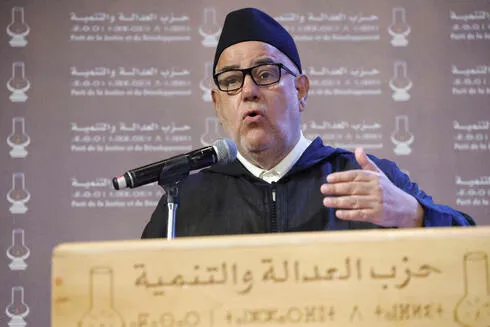
As the campaign progressed, the issue of normalization with Israel emerged as a significant theme, particularly for the PJD party, which has called for reevaluation of Morocco's relations with Israel established in 2020. Former Prime Minister Abdelilah Benkirane has labeled the normalization a "mistake" and is advocating for its termination. The recent agreement between Morocco and Israel to enhance diplomatic relations adds another layer of complexity to the political landscape, underscoring the limited impact that election outcomes may have on foreign policy, which remains under the king's purview.
With more than two dozen political parties vying for the 395 parliamentary seats, some factions argue that the limited authority of elected institutions renders participation futile. The far-left Democratic Path party has called for a boycott, citing a lack of democratic standards in the electoral process. In contrast, the Islamist movement Al Adl Wal Ihsane, although banned, has been tolerated by the authorities and has expressed similar sentiments regarding the validity of the elections. The political environment in Morocco thus remains fraught with challenges, where the intersections of youth discontent, economic frustration, and limited political agency continue to shape the landscape as the country navigates this pivotal electoral moment.
As reported by ynetnews.com.