
Current Trends in Morocco's Livestock Market
As Eid al-Adha approaches, the livestock markets in Morocco have become a hot topic of daily conversation, sparking significant debate over the rising prices of sacrificial animals and the purchasing power of families. Citizens have expressed their grievances about escalating costs, while livestock breeders defend the price hikes by attributing them to the increased costs of raising animals and the prolonged droughts that have afflicted the country in recent years.
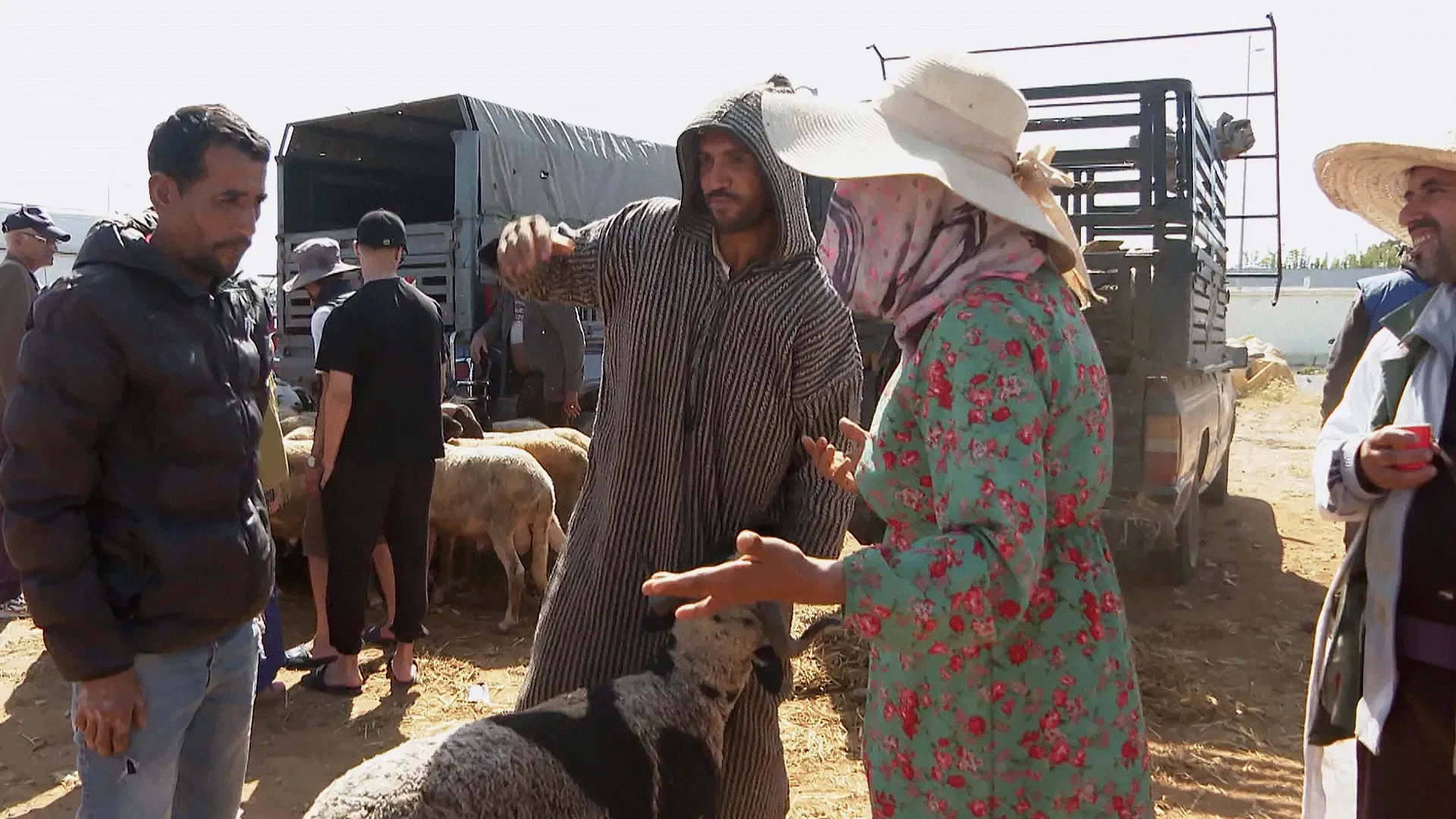
At the Sidi Yahya Zaer market, one of the most renowned livestock markets in central Morocco, reporter Mokhtar Al-Ablaoui from Al Jazeera observed a bustling atmosphere among vendors and shoppers. Breeders kept a watchful eye on potential buyers, eagerly anticipating final sales before the holiday. In a typical bargaining scenario, a rural woman refused to sell her sheep when she deemed the offered price insufficient. Meanwhile, visitors voiced their frustrations about inflated prices, despite government support aimed at livestock farmers and the availability of feed.
One shopper highlighted the exorbitant prices, suggesting that some traders have contributed to the price increase even after benefiting from government subsidies. Others expressed concern over dwindling purchasing power amidst a wave of inflation affecting various essential goods. In contrast, away from the noise of the market, other sales occur on farms, where sheep are sold by weight at approximately $8 per kilogram. Many citizens are comparing current prices to those of previous years, which they believe were more consumer-friendly.
Government Support and Market Dynamics
Despite the complaints, some buyers believe that the market still offers a variety of options suitable for different financial capacities, with prices for sacrificial animals ranging from 3,000 dirhams to as high as 7,500 or 8,000 dirhams (about $800 to $860), depending on the size and breed of the sheep. Breeders assert that recent years have been particularly tough on the sector due to consecutive drought seasons and rising feed prices, which have significantly increased the costs of raising livestock and, consequently, the prices of sheep and meat.
To mitigate the impacts of drought and declining livestock numbers, the Moroccan government has launched an extensive support program for livestock farmers, amounting to nearly $1.4 billion. This initiative aims to maintain the national herd and stabilize the market. The program includes direct financial grants to breeders in exchange for refraining from slaughtering female sheep, a move that authorities claim has bolstered the herd, which now consists of approximately 23 million sheep, along with 7 million goats and 3 million cattle.
The debate over the prices of sacrificial animals has even reached the halls of parliament, where the government and opposition have exchanged criticisms regarding the effectiveness of measures taken to combat inflation. While the opposition has warned of skyrocketing meat prices, the government insists that supply is adequate and that support programs have enabled breeders to continue production, ensuring the availability of sacrificial animals ahead of the holiday. In the days leading up to the event, Moroccan authorities announced a series of temporary measures aimed at curbing speculation and protecting consumers' purchasing power. Experts predict that meat and sheep prices may decline after the holiday, coinciding with what has been described as a bountiful harvest season following record rainfall in the country this year. As negotiations continue in Moroccan markets, concerns over prices remain front and center for families, while breeders are counting on the holiday season to recover some of the losses incurred during the challenging drought years.
As reported by aljazeera.net.