
Revitalization of Morocco's Livestock Sector
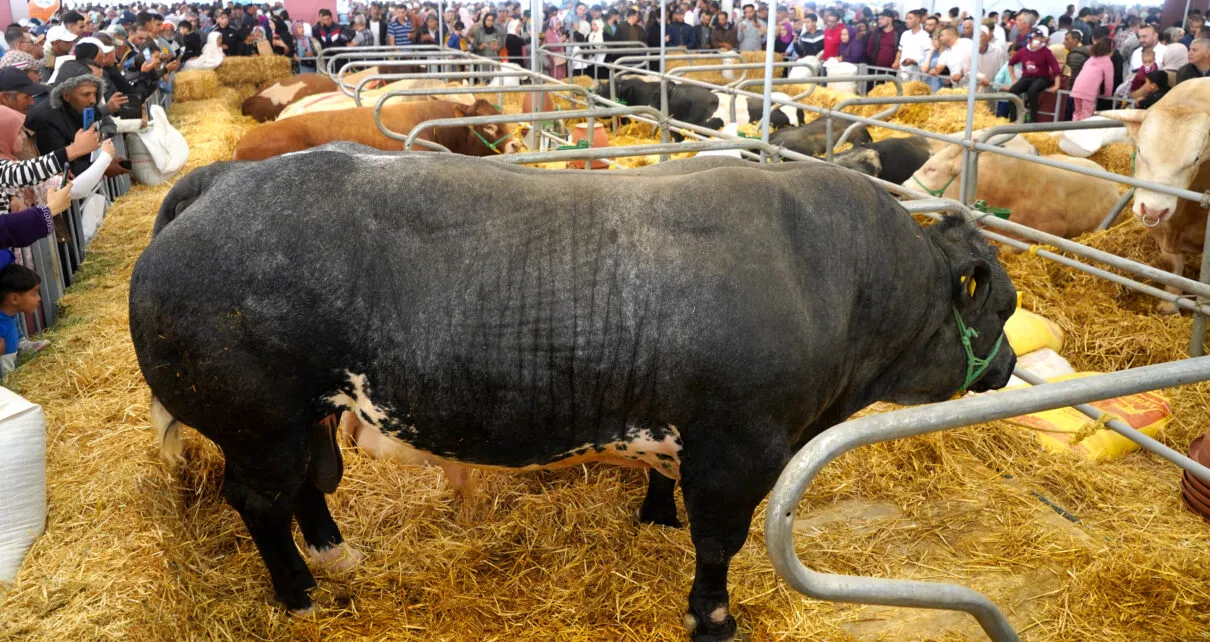
In a promising turn for Morocco's rural economy, improved rainfall in 2025-2026 has significantly bolstered the livestock sector, easing feed constraints, reducing production costs, and enhancing the overall landscape of agricultural productivity. Recent official statistics reveal that this vital sector now accounts for an impressive 35% of the country’s agricultural GDP. By the end of the winter season, cumulative rainfall saw an increase of 82.3%, while dam reservoir fill rates reached a commendable 75%, effectively alleviating the prolonged drought conditions that had previously plagued the region. This resurgence in water availability has had a direct and positive impact on pasture regeneration and forage crop yields, both of which are critical inputs for livestock systems, as affirmed by officials from the Ministry of Agriculture.
During the International Agricultural Exhibition of Meknes (SIAM), Agriculture Minister Ahmed El Bouari highlighted the substantial economic weight of the livestock sector, noting that it provides a livelihood for approximately 1.2 million livestock breeders and generates around 135 million workdays annually. Unlike cereal farming, which is heavily dependent on seasonal rainfall patterns, the livestock sector benefits from enhanced forage availability, facilitating herd rebuilding, improving fertility rates, and boosting milk production. This resilience allows the agricultural sector to maintain its value-added contributions even amidst fluctuations in crop performance, underscoring the critical role that livestock plays in ensuring food security and economic stability.
Broader Economic Context and Challenges
While the livestock sector thrives, other political and economic challenges continue to emerge in the region. Foreign Minister Nasser Bourita has expressed Morocco's firm disapproval of Spain's decision to host the separatist leader Ibrahim Ghali, emphasizing that Spain must choose between maintaining its relationship with Morocco or supporting Ghali. Bourita's comments, made to the Spanish news agency EFE, highlight the potential risks to diplomatic relations stemming from Spain's actions. Furthermore, the International Finance Corporation (IFC) has established a partnership with Atlantic Microfinance for Africa (AMIFA), a subsidiary of the Moroccan Banque Centrale Populaire (BCP) Group, aimed at fostering financial inclusion across Sub-Saharan Africa. This agreement aims to enhance the development capabilities of microfinance programs in the region, signaling Morocco's commitment to broader economic engagement.
In the realm of international diplomacy, Morocco’s Permanent Representative to the UN, Omar Hilale, has taken a stand against South Africa's maneuvers regarding the Sahara issue, addressing a letter to the UN Secretary General and the Security Council that denounces the misleading tactics employed by South Africa. Meanwhile, the political landscape in Algeria has witnessed heightened tensions, with authorities sentencing French-Algerian writer Kamel Daoud to three years in prison in absentia, alongside a hefty fine, as part of a broader effort to stifle discourse surrounding the country’s civil war. This series of events reflects the complex interplay of economic growth and political challenges in the region, as Morocco navigates its path forward amidst changing circumstances.
As reported by northafricapost.com.