Morocco Faces Political Turmoil Following Sudden Ministerial Dismissal
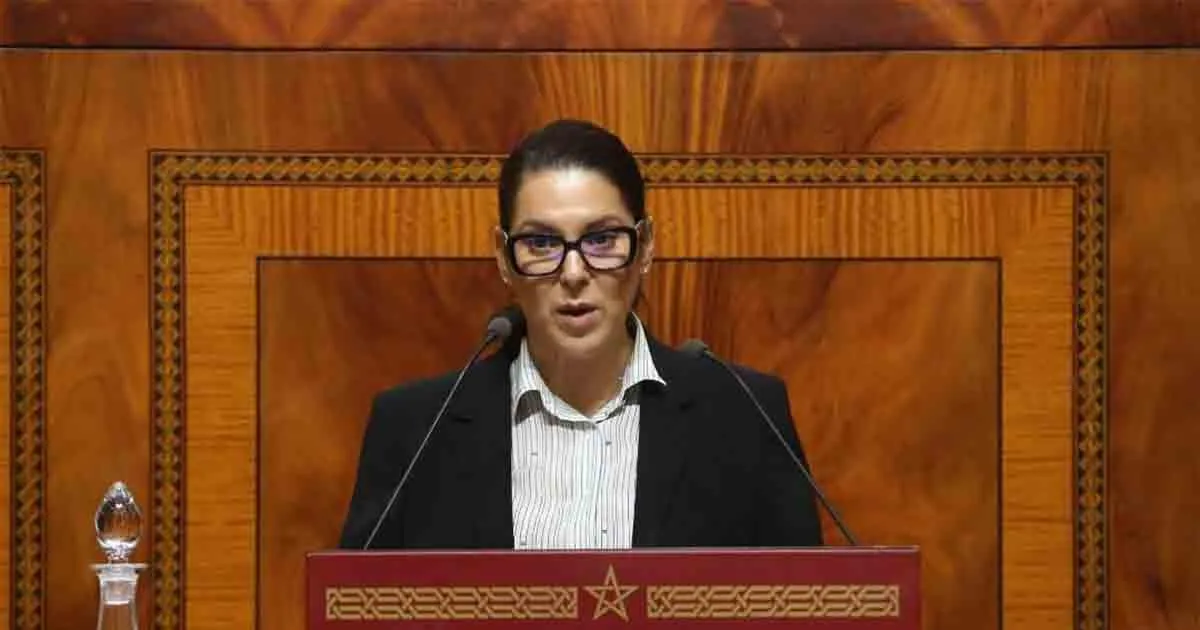
On October 19, 2026, Morocco witnessed a significant political shakeup with the abrupt dismissal of Madihah Khair, the Minister of Vocational Training and Integration, just two days after her appointment. This unexpected turn of events has ignited widespread debate regarding the implications for Prime Minister Fatima Zahra El Mansouri's government, which is currently undergoing parliamentary installation. The swift removal, requested by the Prime Minister and sanctioned by His Majesty King Mohammed VI, was primarily attributed to the emergence of leaked medical documents and allegations concerning Khair's mental health and prior legal troubles.
The announcement of Khair's dismissal has raised critical questions about the government's internal dynamics, the decision-making process, and the standards upheld in ministerial appointments. Commentators have noted that this incident marks the quickest ministerial removal in Moroccan history, as Khair's tenure lasted less than 48 hours. This rapid response highlights a concerted effort by the government to address issues of accountability and transparency in its ranks amidst growing public scrutiny.
Implications for Government Cohesion and Accountability
Political analysts view Khair's dismissal as a litmus test for the resilience and coherence of El Mansouri's government. The speed at which this situation was handled may reinforce the administration's image of decisiveness; however, it simultaneously opens the floor for opposition parties to question the criteria used for ministerial appointments and the thoroughness of background checks. The incident sheds light on the necessity for a more stringent vetting process for public officials, as various stakeholders have called for a reevaluation of the qualifications and histories of other ministers in El Mansouri's cabinet.
In a statement, Samir Belfkih, the official government spokesperson, emphasized that the decision to relieve Khair of her duties was made with a shared political assessment among the government coalition to ensure conducive conditions for the formation of the new cabinet. This commitment to accountability signals a proactive approach to governance, suggesting that the administration aims to navigate the complexities of public trust while executing its constitutional mandate.
As the government awaits a successor to Khair, political science expert Rashid Lazrak has pointed out that this unprecedented dismissal raises broader questions about the transition from traditional political compromises to a model emphasizing competency and integrity in governance. While the circumstances surrounding Khair's removal have drawn attention to her individual case, they also reflect systemic issues within the political landscape that may require significant reforms.
Looking ahead, the ongoing developments will be pivotal in shaping the trajectory of El Mansouri's government, as it grapples with the challenges of maintaining stability and public confidence in the wake of this startling ministerial shakeup.
As reported by aajsa.com.