
Fatima Zahra Al-Mansouri: A Historic Appointment in Moroccan Politics
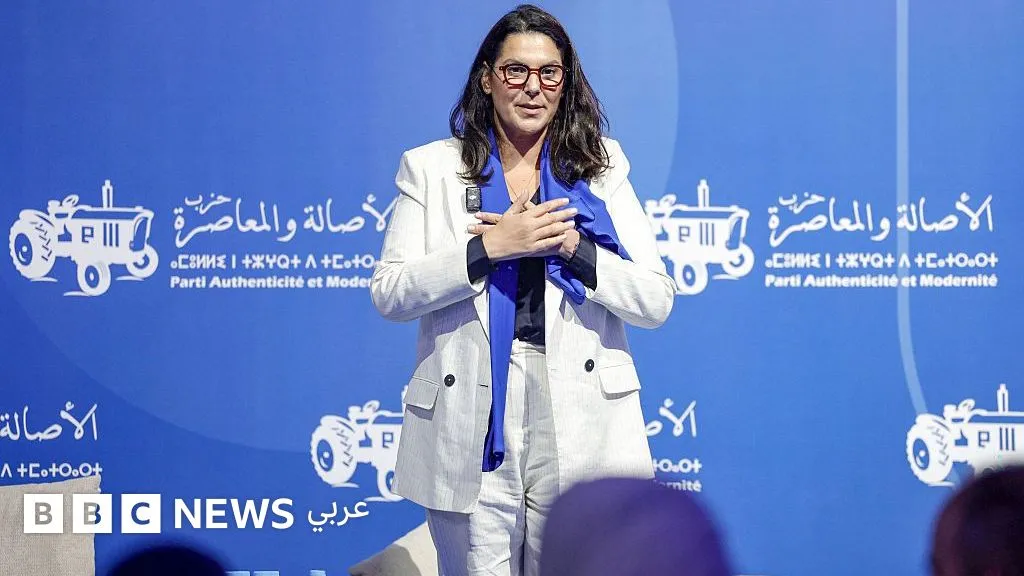
In a landmark decision, King Mohammed VI of Morocco has tasked Fatima Zahra Al-Mansouri, the coordinator of the collective leadership of the Authenticity and Modernity Party (PAM), with forming the new government. This appointment, made on September 29, comes in the wake of PAM’s significant victory in the legislative elections held on September 23, where the party secured 97 seats out of 395 in the House of Representatives, though it fell short of an outright majority. Al-Mansouri's selection is particularly notable as she becomes the first woman in Morocco's history to assume this role, marking a significant step towards greater female representation in Moroccan politics.
Al-Mansouri's appointment reflects a constitutional mandate that requires the king to designate a prime minister from the party that wins the most seats in the parliamentary elections. This historic decision not only underscores the evolving role of women in Moroccan political life but also presents a substantial responsibility for Al-Mansouri to deliver tangible results beyond the mere symbolism of her appointment. The new government faces pressing social and economic demands that will test its capacity to govern effectively.
Challenges Ahead for Al-Mansouri in Coalition Building
As Al-Mansouri embarks on her mission, her foremost challenge will be to construct a coalition that commands an absolute majority in the House of Representatives, which requires at least 198 seats. The National Rally of Independents (RNI) secured the second position in the elections with 66 seats, followed closely by the Independence Party with 65 seats, while the Justice and Development Party (PJD) garnered 54 seats but has announced its intention to refrain from participating in the upcoming government, opting instead for opposition. This decision complicates Al-Mansouri's task, as she may need to rely on former coalition partners, the RNI and the Independence Party, to achieve the necessary majority.
Al-Mansouri has expressed her readiness to negotiate with all Moroccan parties, stating there will be no 'red lines' in forming alliances for the government. This openness could lead to potential collaborations with smaller parties like the Popular Movement and the Socialist Union of Popular Forces, which could provide additional seats to secure a stable majority. However, she must also persuade potential partners of her government's program and finalize the distribution of ministerial portfolios. Following the king's approval of her government formation, the proposed program will need to gain the absolute majority of votes from the members of the House of Representatives, as stipulated in Article 88 of the constitution.
The forthcoming administration will also grapple with critical issues such as education, healthcare, and unemployment—topics that have garnered significant public attention, particularly following the youth protests known as the 'Generation Z 212' demonstrations in late 2025. These protests highlighted demands for substantial reforms in the education and healthcare sectors, as many young Moroccans criticized the government for prioritizing sports infrastructure over essential services. With youth unemployment rates soaring to 27.2 percent among those aged 15-24, the new government will face immense pressure to create meaningful job opportunities and enhance the quality of essential services.
Throughout the election campaign, the Authenticity and Modernity Party promised to address these pressing concerns by improving living conditions and providing job opportunities. The success of Al-Mansouri's government hinges on its ability to fulfill these commitments and effectively address the challenges at hand. If she successfully assembles a functioning government and secures parliamentary approval, Al-Mansouri would join the ranks of only three women in the Arab world to have held such a position, following Tunisia's Najla Bouden Ramadan and Sara Al-Zafraani Al-Zanzari.
As reported by bbc.com.