
Morocco’s Political Landscape Shifts with PAM's Victory
On September 24, 2026, preliminary results revealed that the Authenticity and Modernity Party (PAM), a liberal centrist political entity founded by an advisor to the Moroccan king, has secured the most seats in the recent parliamentary elections. This significant achievement comes in the wake of support from Fouzi Lekjaa, the president of the Moroccan Football Federation, who has been instrumental in enhancing the national football team's global reputation. The results of the election are unlikely to bring about a seismic shift in Morocco's political dynamics, as the country operates under a constitutional monarchy where the king maintains substantial authority over critical matters such as foreign policy and defense.
The newly elected parliament is poised to play a pivotal role as it will oversee the final phases of an ambitious $20 billion initiative preparing Morocco to co-host the 2030 FIFA World Cup alongside Portugal and Spain. Additionally, the parliament will be tasked with implementing economic reforms aimed at alleviating the pervasive discontent among the youth, a sentiment that became particularly pronounced following a mass exodus towards the Spanish enclave of Ceuta in July and through protests led by Generation Z last year.
PAM's Ascendancy and Future Prospects
The PAM has ascended to the forefront of the political arena, marking a considerable leap from its previous standing as the second-largest party in the outgoing coalition. This surge in popularity is largely attributed to the strategic recruitment of Lekjaa just weeks prior to the elections, which has positioned him as a potential candidate for the prime ministership—a position traditionally appointed by the king from the winning party. The current leader of PAM, Fatima Ezzahra El Mansouri, also emerges as a potential prime ministerial candidate, which could make her the second woman to occupy such a role in an Arab country, following Tunisia's Najla Bouden.
Despite the success, PAM has ruled out any possibility of forming a coalition with its former partner, the National Rally of Independents (RNI), which has seen a decline in its influence, coming in second place in the elections. The two parties have publicly exchanged criticisms over policy failures, particularly regarding the rising cost of living. Campaigning on a platform of ambitious economic development, PAM has pledged to allocate $37 billion towards creating one million new jobs, enhancing healthcare, education, and social protections, while also advocating for better wages.
In the 395-seat parliament, PAM secured 97 seats, a notable increase from the 87 seats it held in the previous election in 2021. In contrast, the RNI managed to capture 66 seats, while the conservative Istiqlal Party gained 65 seats. The Islamist Justice and Development Party (PJD) made a significant recovery, winning 54 seats, up from a mere 13 in the last election, bolstered by the return of its former leader, Abdelilah Benkirane, whose compelling oratory has rekindled the party's appeal among voters.
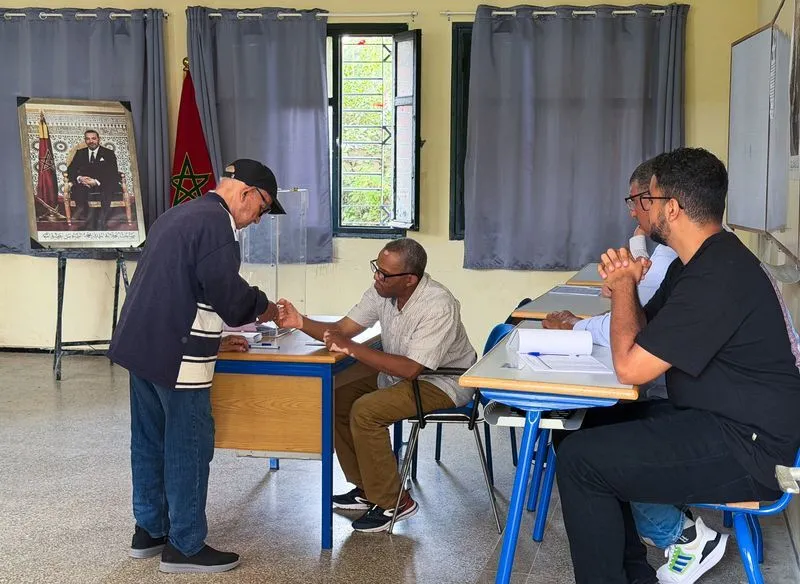
The turnout for this election was closely monitored as a gauge of the public's trust in democratic institutions. Unfortunately, voter participation decreased to approximately 38%, down from around 50% in the previous elections. Out of an eligible voting population of 27 million Moroccans, only 15.8 million were registered, marking a decline of about 12% from the 2021 election figures.
As reported by internazionale.it.