
The PAM's Victory and Historical Context
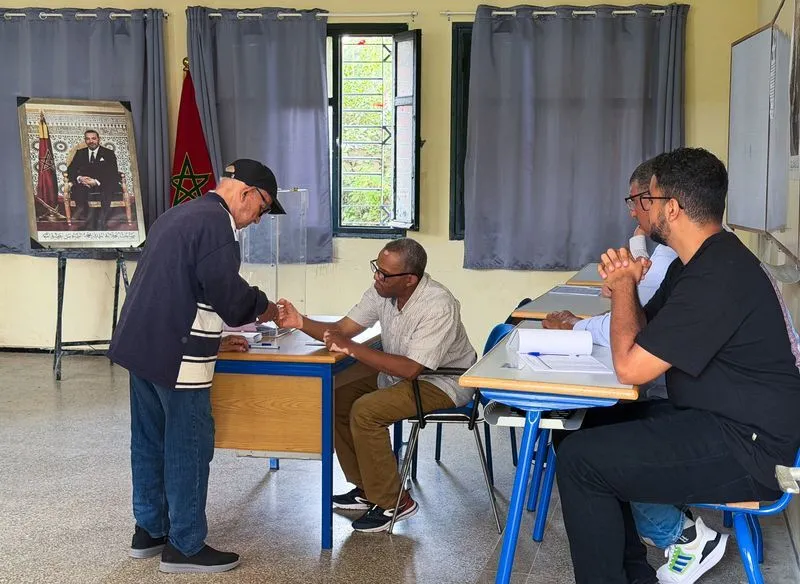
The Authenticity and Modernity Party (PAM), a member of the current ruling coalition in Morocco, has emerged as the frontrunner in the recent legislative elections, which were characterized by an alarmingly low voter turnout—the lowest recorded in nearly two decades. According to preliminary results announced by Interior Minister Abdelouafi Laftit in the early hours of September 24, PAM secured 97 of the 395 seats in the House of Representatives. This significant achievement places them at the forefront of Moroccan politics, especially as the nation grapples with a growing disillusionment towards its political class and pressing social issues.
Political Landscape and Challenges
Following PAM, the National Rally of Independents (RNI), the party of current Prime Minister Aziz Akhannouch, came in second with 66 seats, suffering a loss of about thirty seats compared to the last legislative elections in 2021. The Istiqlal Party, also part of the ruling coalition, claimed the third spot with 65 seats. Meanwhile, in opposition, the Justice and Development Party (PJD), known for its Islamist stance and campaign against corruption, saw a remarkable increase in its representation, quadrupling its seat count to 54, up from just 13 in the previous elections.
The voter participation rate was notably low at 38.08%, reflecting a deep-seated distrust towards political leaders amid ongoing concerns about unemployment and social inequalities. This election took place less than two months after the migration crisis in Ceuta highlighted the lack of opportunities for many young Moroccans, despite the kingdom's steady economic growth and ambitious infrastructure projects leading up to the 2030 World Cup, which Morocco will co-host with Spain and Portugal.
According to independent researcher Lamia Elfehaim, the substantial financial investments for the World Cup are viewed by segments of the population as misaligned with the kingdom's pressing socio-economic priorities, such as inadequate public services, rural isolation, and high unemployment rates. The underlying reasons for the Ceuta crisis permeated the electoral debates, as many voters expressed their disenchantment with the political process. Majda Bakatir, a 59-year-old voter from Rabat, articulated her frustrations, stating, "I will not vote because I have lost all faith in the political class. We want our country to progress, but politicians seem indifferent to our concerns regarding health, education, and purchasing power." In contrast, 55-year-old voter Karim Ennaciri believes that the electoral process is a crucial opportunity to gauge whether a renewal is possible within the parties.
The new Prime Minister will be from the party that secured the most votes, which is PAM. Following his appointment by King Mohammed VI, the Prime Minister will be tasked with forming a coalition government for a five-year term, although the overarching strategic direction of key sectors remains under the monarch's authority. Founded in 2008 by Fouad Ali El Himma, a close advisor to the king, PAM aimed to provide a counterbalance to the Islamist factions in Moroccan politics. Despite stepping back during the Arab Spring, when he faced accusations of attempting to monopolize political power, El Himma's influence remains significant.
During the campaign, PAM promised to achieve an average annual growth rate of 5%, maintain inflation at 2% to protect purchasing power, and create at least one million jobs throughout its term. The party has successfully gained the support of a prominent figure: Budget Minister Fouzi Lekjaa, who is also known for his leadership role in the Royal Moroccan Football Federation. In the absence of a clear leader, another prominent figure representing PAM is Fatima Ezzahra Mansouri, the Minister of Territorial Planning and Mayor of Marrakech, who the local press speculates could become the first female Prime Minister in Morocco's history. Despite his withdrawal from RNI leadership, outgoing Prime Minister Aziz Akhannouch has diligently defended his record, even amidst allegations of conflicts of interest concerning his company, Afriquia, a leading fuel distributor in Morocco.
As reported by france24.com.