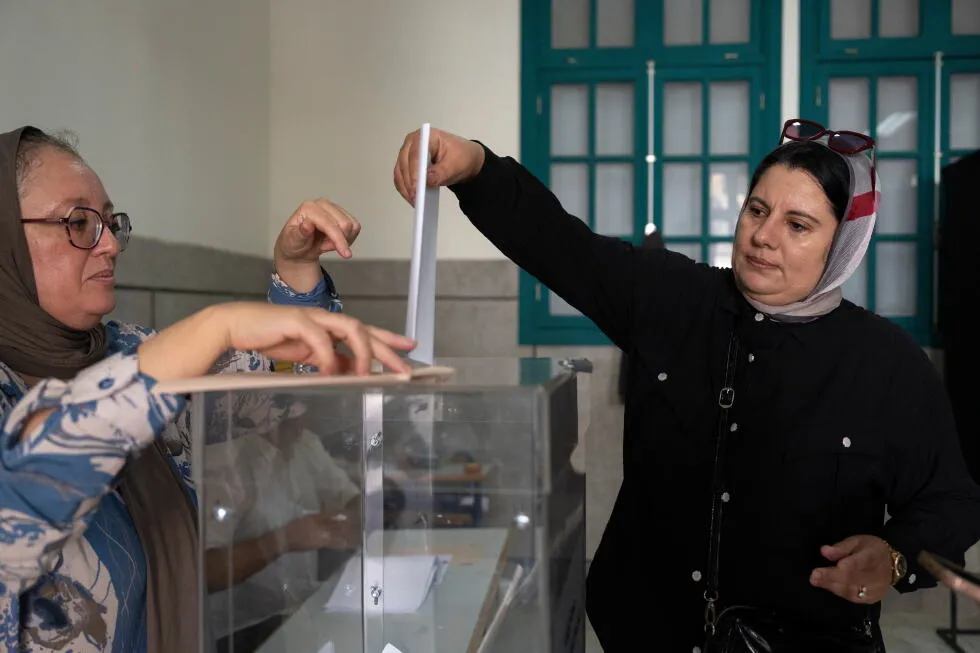
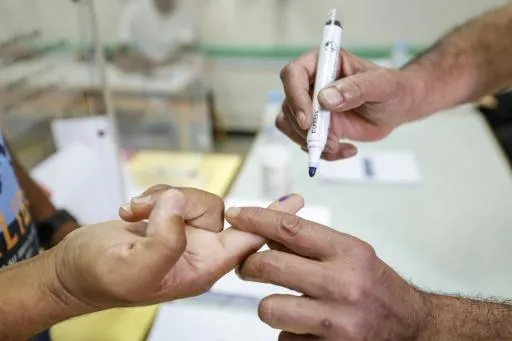
In a significant turn of events during Morocco's parliamentary elections held on Wednesday, the centre-right Authenticity and Modernity Party (PAM), a key player in the current ruling coalition, emerged victorious by securing 97 out of the 395 available seats, according to provisional results. This election saw a disheartening voter turnout of just 38 percent, marking the lowest participation rate in nearly two decades. Such apathy is attributed to a myriad of social crises affecting the nation, which have left many citizens disillusioned with the political landscape.
With around 16 million registered voters, the election was overshadowed by widespread frustrations regarding unemployment and inequality. The National Rally of Independents (RNI), which currently leads the coalition, garnered 66 seats, while the right-wing Istiqlal party followed closely with 65 seats. The Islamist opposition’s Justice and Development Party managed to secure 54 seats, as reported by Interior Minister Abdelouafi Laftit. This electoral outcome comes on the heels of a mass migration crisis that saw thousands of predominantly young Moroccans attempting to enter the Spanish enclave of Ceuta.
The turnout, significantly lower than the 50 percent recorded in 2021, also highlighted a concerning trend, with only about four percent of registered voters aged 18 to 24 participating in the election. In September 2025, a protest movement led by Gen-Z activists took to the streets, advocating for improved healthcare and education, reflecting the urgent need for reform among the youth. Many, like Majda Bakatir, expressed deep skepticism about the political class, stating, "I'm not going to vote because I have lost all faith in the political class." Others, such as 55-year-old Karim Ennaciri, chose to vote, hoping for change and renewal within the political parties.
Despite the prevailing disillusionment among voters, Morocco has recorded economic growth and is advancing major infrastructure initiatives in preparation for co-hosting the 2030 World Cup alongside Spain and Portugal. However, this ambitious sporting venture has drawn criticism, as many view it as misaligned with the pressing socio-economic challenges the country faces, including inadequate public services and high unemployment rates. Lamia Elfehaim, a researcher at the Arab Reform Initiative, noted that such investments are perceived as disconnected from the immediate needs of the populace.
Political Dynamics and Future Outlook
The process of forming a government in Morocco is heavily influenced by the monarchy, with the king appointing a prime minister from the party that wins the most seats, who then serves a five-year term. Prime Minister Aziz Akhannouch, who led the RNI's campaign, has recently stepped down from his party leadership role. He has claimed significant achievements during his tenure, including reforms in education and healthcare, and salary increases for civil servants. However, he has also faced allegations of conflicts of interest related to his business dealings, particularly concerning his company, Afriquia, a leading fuel distributor in Morocco.
The political landscape remains tense, especially with the rise of youth-led protests demanding accountability and transparency from leaders. The PAM party, ideologically aligned with the RNI, has also seen its share of controversy, recently embroiled in a corruption scandal that resulted in prison sentences for senior figures involved in drug trafficking. Budget Minister Fouzi Lekjaa, a prominent figure within PAM, has emphasized the need to empower young people, asserting that the party aims to enhance wages and improve purchasing power, promising that they will not be left behind in the socio-economic development of the country.
As reported by france24.com.