
Voter Turnout and Election Results
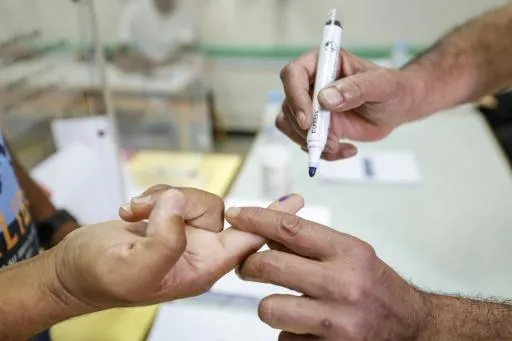
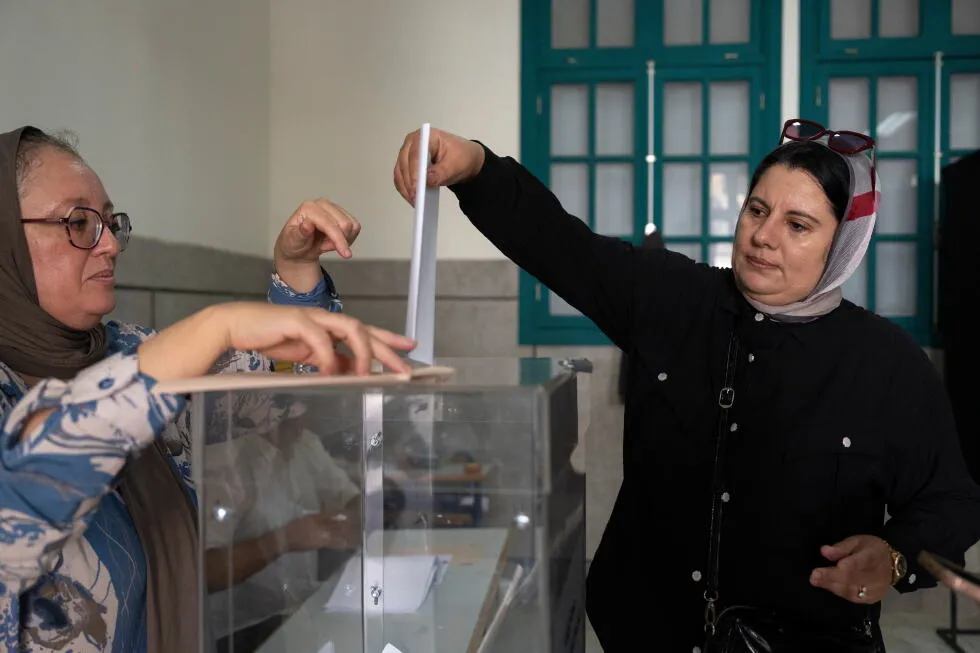
On Wednesday, September 23, 2026, Moroccan citizens flocked to the polling stations to partake in a significant parliamentary election that follows a year marked by intense youth-led protests and a tragic migrant crisis at the northern border with Spain. This election is pivotal as it sets the stage for the new parliamentary landscape, with the Authenticity and Modernity Party (PAM) emerging as the front-runner, securing 97 out of 395 seats in the House of Representatives, according to provisional results released by the Interior Ministry.
The governing National Assembly of Independents (RNI) faced considerable setbacks, while the moderate Islamist Justice and Development Party (PJD) made a notable resurgence, raising its seat count from a mere 13 in the previous election to 54 this time. The election, characterized by a voter turnout of just 38%—the lowest since 2007—reflects a growing disillusionment among the electorate, particularly among the youth who grapple with high unemployment rates despite the nation's economic growth and demand for improved public services.
Political Implications and Future Prospects
The results of this election will not only influence the selection of the next prime minister but also shape the government's approach to pressing issues such as job creation, wage increases, and the rising cost of living. The new administration will also be tasked with managing significant investments as Morocco gears up to co-host the 2030 World Cup, a factor that has led some to label this upcoming government as the “World Cup government.” The Moroccan Constitution mandates that the king appoints a prime minister from the party that secures the most seats, which implies that coalition-building will be crucial since no single party is expected to achieve an outright majority.
Among potential candidates for the prime ministerial position are Faouzi Lakjaa, the president of Morocco's soccer federation who recently joined PAM, and Fatima-Zahra Mansouri, the mayor of Marrakech and current minister of urban planning. Should Mansouri be selected, she would make history as Morocco's first female prime minister. This election is seen as a critical juncture for Morocco, where the balance of power between political parties and the monarchy continues to influence governance.
As reported by apnews.com.