
Political Landscape and Election Context in Morocco
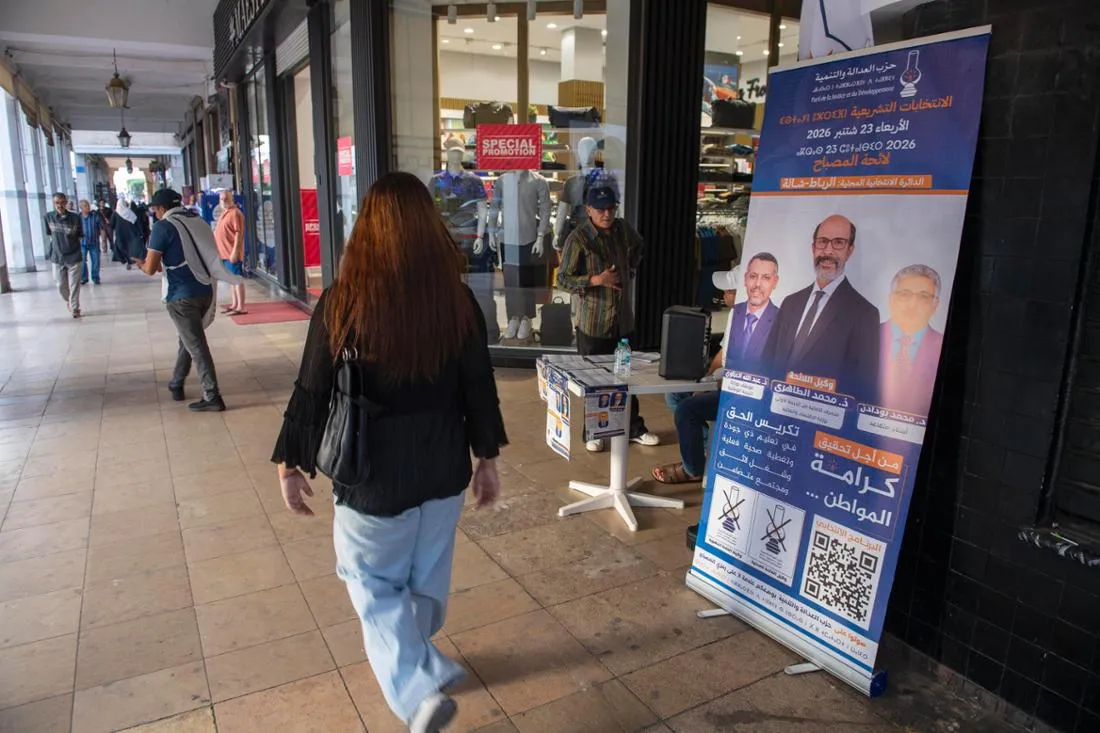
On September 23, 2023, Morocco is set to witness its parliamentary elections, with 27 parties vying for 395 seats in the national parliament. These elections are not merely a procedural formality; they are a reflection of the complex political dynamics, rife with controversies, accusations of corruption, and extensive campaigning. The newly elected government will face significant tasks during its five-year term, including implementing the autonomy plan for Western Sahara and preparing for the 2030 FIFA World Cup. Notably, the incumbent Prime Minister Aziz Akhannouch, leader of the Rassemblement National des Indépendants (RNI), indicated earlier this year that he would not seek re-election, thus marking a pivotal shift in the political landscape. Akhannouch has been a focal point of criticism, accused of leveraging his business background for political gain, while his government’s record remains a mix of achievements and failures.
Morocco is recognized as an emerging regional power with projected growth rates nearing five percent by 2025, making it one of Africa's leading industrial nations. The country has made strides in developing its automotive and aerospace sectors, improving infrastructure, and investing in renewable energy. However, stark social and regional inequalities persist, with soaring living costs and youth unemployment rates around 40% in urban areas. In rural regions, poverty remains pervasive, and both the educational and healthcare systems are in dire need of reform.
Youth Engagement and Electoral Apathy
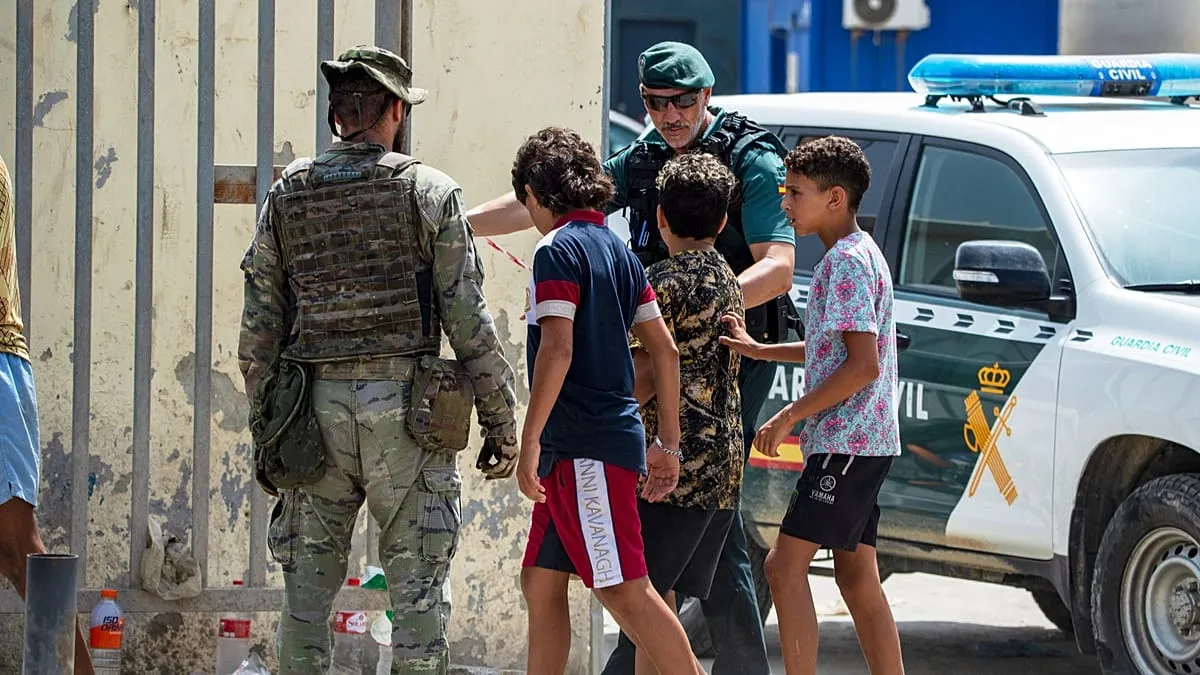
The recent mass migration attempt by approximately 70,000 individuals, including many Moroccans seeking to reach Europe via the Spanish enclave of Ceuta, underscores a profound discontent with the current regime under King Mohammed VI. This sentiment was echoed during nationwide youth protests in the fall of 2025, where demonstrators called for improvements in education and healthcare and demanded an end to corruption. The government's response was heavy-handed, resulting in fatalities and thousands of arrests, with many protesters still incarcerated. As the elections approach, political scientists like Abdeslam Maghraoui from Duke University argue that the elections symbolize more than a quest for genuine political representation. Instead, they illustrate the management of an authoritarian system and the dynamics within the political elite. While the King is constitutionally required to appoint the leader of the strongest parliamentary faction as Prime Minister, crucial ministers in key sectors such as interior, defense, foreign policy, and religious affairs are appointed directly by the monarchy, thereby limiting the parliament's influence. This has fostered a pervasive skepticism among the electorate, particularly the youth, towards political parties, as evidenced by a survey revealing that 90% of respondents believe parties fail to fulfill their promises.
Despite the parties' attempts to address youth concerns in their campaigns, there is a notable disengagement among voters under 24. The Moroccan electoral system mandates that voters register well in advance of the election date, precluding spontaneous participation on election day as seen in other democracies. By the registration deadline of July 18, approximately 16 million out of 38 million Moroccans had registered to vote, with a mere three percent aged between 18 and 24, a decline from the participation rates in 2021. Youssef Oukhallou, a youth policy advocate, emphasizes a significant erosion of trust in the political system among young people, which is echoed across demographics. The political parties, often lacking a clear ideological stance, struggle with credibility, particularly those representing rural constituencies, which are frequently mired in corruption allegations. Their proposals to address social crises are often criticized as unrealistic and lacking specificity.
Abdellah Tourabi, a Moroccan journalist, highlights the absence of meaningful discourse on social and economic development within the election campaigns, suggesting that while there may be much noise, substantive ideas are sorely lacking. Furthermore, the opposition Islamist party, the Justice and Development Party (PJD), led by the charismatic Abdelilah Benkirane, seeks to regain its footing following a significant electoral setback in 2021, where it lost nearly 90% of its seats after a decade in power. Although the PJD has the potential to mobilize support around issues of corruption, its conservative stance on social issues may alienate younger voters seeking progressive change.
As the elections draw near, observers like Abdallah Tourabi express skepticism regarding the PJD's prospects, noting a regional decline in political Islam and a lack of strong leadership within the party. Meanwhile, Maghraoui raises critical questions about the monarchy's long-term strategy to address the frustrations of the youth. If political parties remain ineffective in advocating for their needs, the royal institution may find itself increasingly confronted by a disenchanted populace, thus reshaping the dynamics of governance in Morocco.
As reported by fr.de.