
Voter Engagement in Morocco's Parliamentary Elections
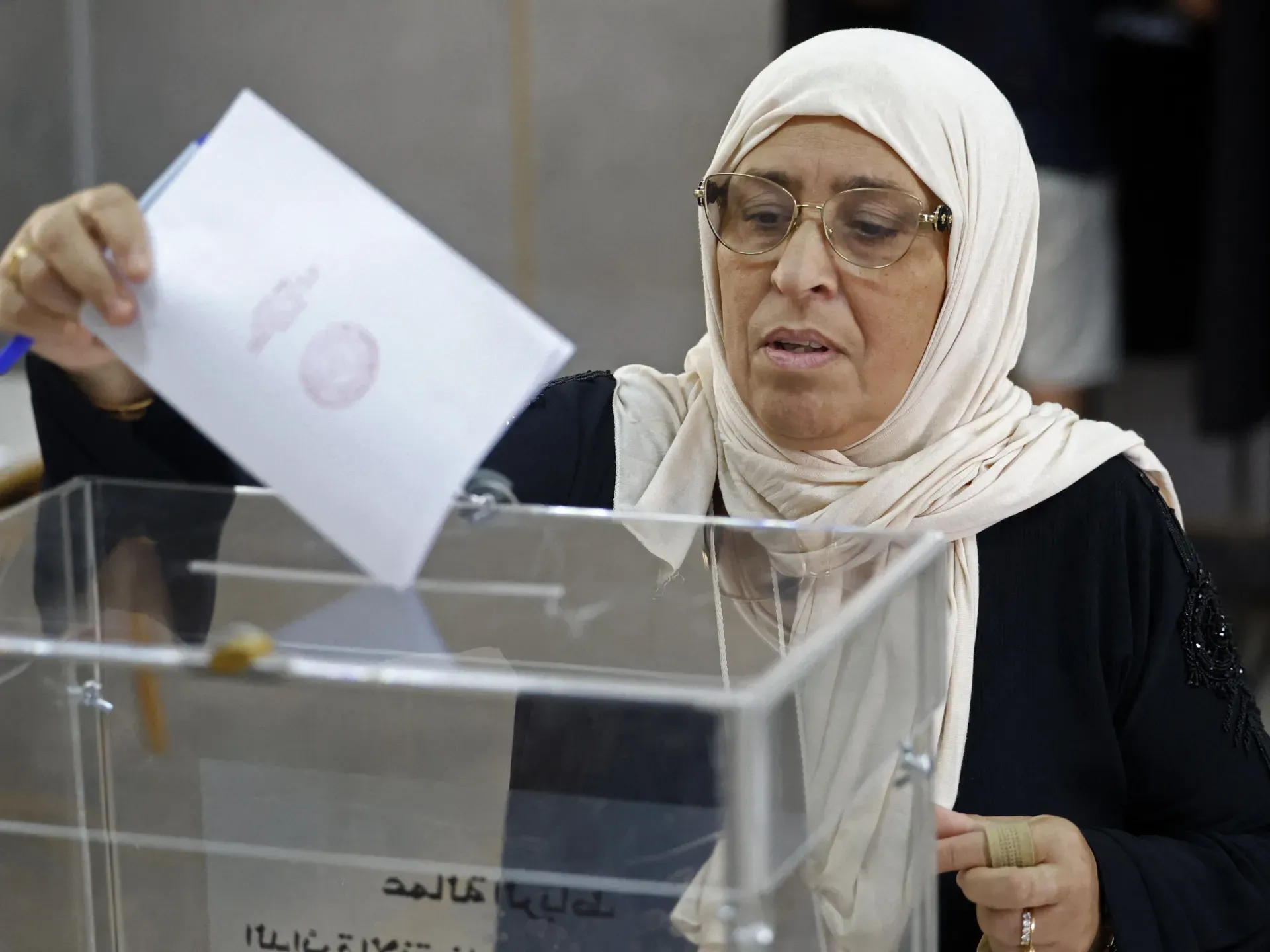
On the morning of Wednesday, September 23, 2026, Morocco commenced its parliamentary elections, with approximately 16 million voters participating in this significant democratic exercise. Polling stations opened their doors promptly at 8:00 AM (GMT) and will remain operational until 7:00 PM (GMT), allowing ample time for citizens to cast their votes.
The outcome of this election will determine which political party will be entrusted with forming the government for the next five years, as well as identifying the parties that will constitute the governing majority. A total of 27 parties are vying for 395 parliamentary seats, with an impressive 1,850 lists competing and a total of 7,288 candidates, including 2,658 women, as reported by the Ministry of Interior.
Major cities are anticipated to witness intense electoral competition due to the number of seats allocated to them and the presence of candidates that include former ministers and officials. Polling stations are monitored by representatives from participating parties, along with observers from both national and international bodies, ensuring the integrity of the electoral process.

After the polling stations close, members of these stations, in the presence of representatives of the candidate lists, will begin the ballot counting process. The Ministry of Interior is expected to announce preliminary results in the early hours of Thursday morning. According to official data, the number of registered voters in the electoral rolls by July was 15,801,162 individuals. In the previous elections of 2021, voter turnout was around 50%, indicating that nearly half of the registered voters did not participate in the voting process.
The leading party in this election is expected to initiate negotiations to form a governing majority after the results are declared. To establish a government, a minimum of 198 seats is required, making it challenging for a single party to achieve this majority under the list voting system. As per Article 47 of the constitution, the King appoints the head of government from the party that secures the most votes in the House of Representatives, while government members are nominated by the Prime Minister.
Women and Youth Representation in the Elections
This election is notable for the robust representation of women and youth. A total of 2,658 women are running for election, representing approximately 36.5% of all candidates. Among them, 1,783 candidates are included in 235 lists specifically allocated for women in regional districts, while others are competing in local districts. The 90 regional seats constitute about 23% of the total seats in the House of Representatives, and women are also allowed to contest in local districts.
To enhance youth participation, Morocco's electoral system has implemented financial support mechanisms for candidate lists that include candidates aged 35 and below. The new regulations significantly increase the financial aid provided for each seat won by a young candidate in local electoral districts, multiplying it sixfold compared to other candidates.
Interestingly, there has been a noticeable decline in electoral complaints compared to the 2021 elections. The Public Prosecutor's Office in Morocco reported a total of 93 complaints during the period from August 21 to September 15, 2026, with an impressive 92% of these cases being resolved. In contrast, 229 complaints were recorded during the same period in the previous elections, indicating a substantial decrease this year.
This year’s complaints varied between criminal offenses and non-criminal disputes, with new legal amendments being introduced to address digital violations, such as the dissemination of false news and misleading information aimed at discrediting candidates or voters.
Meanwhile, nearly six million Moroccans living abroad will not have the opportunity to vote directly in embassies or consulates, instead relying on a designated proxy in Morocco to cast their votes on their behalf. In this regard, the Ministry of Foreign Affairs launched an electronic proxy platform to facilitate the voting process for Moroccans abroad, reflecting the government's commitment to ensuring that all citizens can participate in the electoral process.
As reported by aljazeera.net.