
Impact of Moroccan Port Development on Spanish Ports
According to a recent study conducted by the University of Navarra in Spain, the rapid development of major port infrastructures in Morocco is significantly undermining the competitive edge of Spanish ports, thereby exerting economic pressure on vital coastal cities. The research underscores the importance of the Strait of Gibraltar as a key global shipping corridor, responsible for approximately 10% of annual maritime traffic. However, the balance of competition between Spain and Morocco is increasingly shifting southward, as both nations vie for control over logistics flows in this crucial region.
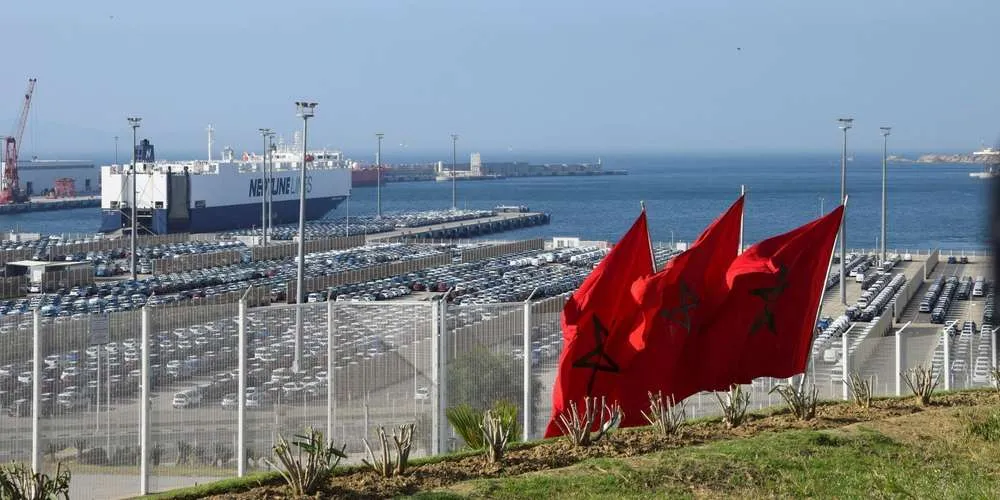
The findings reveal that investments in pivotal Moroccan ports, such as Tanger Med and Nador West Med, not only bolster Morocco's maritime position but also create direct economic challenges for Spanish ports and their neighboring urban centers. The Port of Algeciras, once the cornerstone of Spain's maritime network in the Strait, is experiencing the most immediate repercussions. The study indicates that Algeciras has lost its status as the leading port in the Mediterranean to Tanger Med, which surpassed its container handling capacity in 2024, processing over 10.24 million TEUs compared to Algeciras's 4.7 million TEUs. This significant shift highlights a broader decline in traffic through the Spanish port, which previously enjoyed a growth surge that peaked in 2020, raising alarms about its long-term viability and competitiveness.
Consequences for Spain’s Economy and Employment
Several factors contributing to this trend include the European regulatory framework, particularly environmental charges applied to shipping, which are not levied at Moroccan ports. This disparity has prompted some shipping operators to divert their cargo through Tanger Med, further exacerbating the decline of Spanish ports. The implications of this shift reach beyond port operations, impacting the broader economy of the Bay of Algeciras, where logistics and maritime services are integral to economic stability.
The study warns that without strategic investments in infrastructure and enhanced competitiveness, Spain could face significant job losses, potentially affecting up to 1,600 positions. Various businesses involved in international trade, especially in the agriculture sector, have expressed concerns regarding inefficiencies in cross-strait transport. Delays in the transit of goods from Morocco to Spain can jeopardize perishable items like fruits, leading some firms to consider relocating their operations to alternative Mediterranean hubs.
Furthermore, the study highlights the indirect effects on Spain's North African enclaves, Ceuta and Melilla, suggesting that Morocco's port strategies are extending their economic influence into these territories. The geographical positioning of Tanger Med and the forthcoming Nador West Med near these enclaves may stifle their economic growth or increase their reliance on Moroccan infrastructure. A critical factor in Spain’s declining competitiveness, as identified by the study, is the sluggish pace of modernization within its port infrastructure. While Moroccan ports are designed as highly automated logistics platforms optimized for efficiency and high volume handling, Spanish ports like Algeciras lack such levels of automation, diminishing their operational speed and attractiveness to global shipping lines.
Moreover, Spanish businesses have expressed dissatisfaction with European funding mechanisms, as financial support has disproportionately favored projects like Nador West Med, which now directly compete with Spanish ports. In conclusion, the study asserts that Morocco’s ongoing port expansion is fundamentally altering the competitive dynamics within the Strait of Gibraltar, yielding palpable economic repercussions for Spanish ports and coastal cities. Without heightened investment and strategic realignments, Spain risks ceding further ground in one of the world’s most vital maritime corridors, as trade flows and logistics networks increasingly gravitate towards Morocco.
As reported by assahifa.com.