
Morocco's Discontent with International Narratives on Western Sahara
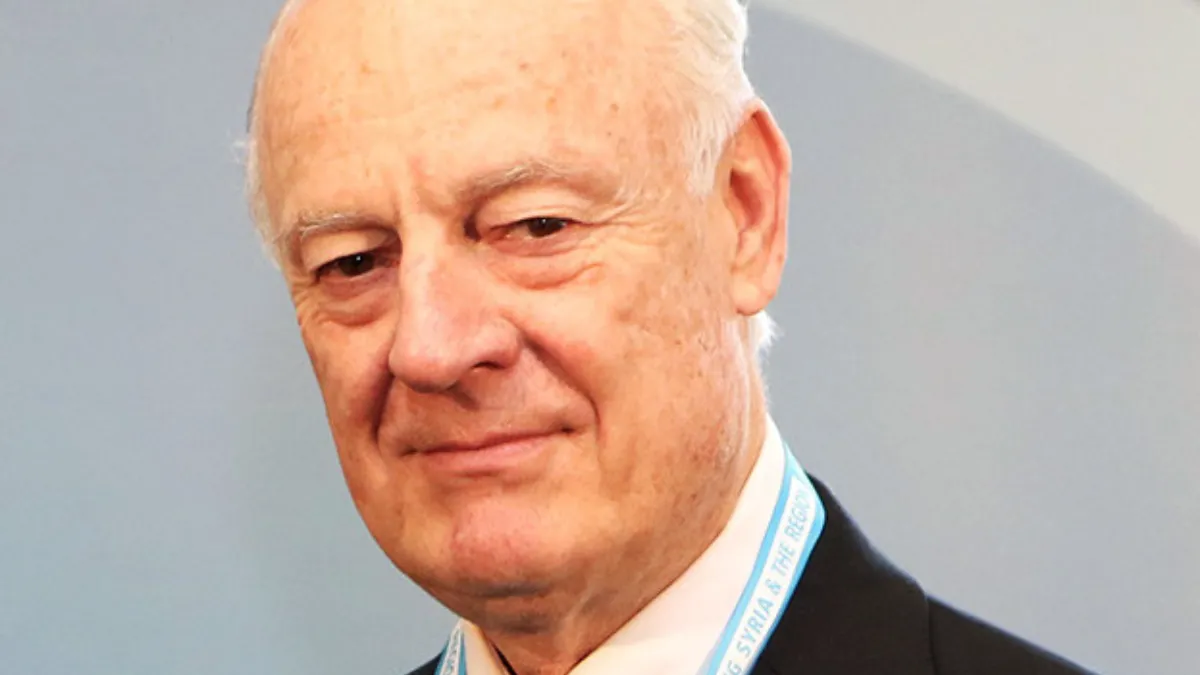
In a recent wave of diplomatic tension, Morocco has expressed its displeasure regarding the narratives presented by international officials concerning the disputed region of Western Sahara. Following critical comments made by Massad Boulos, a U.S. advisor, the focus has now shifted to Staffan de Mistura, the United Nations' personal envoy for the region. The Moroccan media's reaction exemplifies a broader issue: whenever an international representative deviates from Rabat's official storyline, they are quickly labeled as biased or untrustworthy. This pattern highlights Morocco's sensitivity to external opinions that conflict with its longstanding claims over Western Sahara.
The Accusations Against Staffan de Mistura
Staffan de Mistura has recently come under scrutiny from Moroccan media, which has portrayed him as an advocate for the Polisario Front, the group seeking independence for Western Sahara. The allegations stem from his reiteration of international legal principles, particularly the right to self-determination for the Sahrawi people. De Mistura emphasized that any resolution to the conflict must involve significant consultation with the Sahrawis, aligning with the UN’s stance on the matter. The Moroccan press has seized upon this reminder of international law as evidence of his purported partiality. This reaction is indicative of a larger trend where Moroccan authorities reject any discourse that does not align with their preferred narrative, thereby stifling meaningful dialogue.
Moreover, the backlash against Boulos serves as a parallel example. His refusal to categorize the Western Sahara issue as definitively resolved ignited outrage among Moroccan commentators. Boulos acknowledged Algeria's role in the situation but emphasized that no immediate solutions were forthcoming. Such statements seem to trigger a defensive reaction from Morocco, suggesting that any acknowledgment of the complexities involved contradicts their official position. This trend raises concerns about the viability of future negotiations, as it appears that any international actor deviating from Rabat’s expected narrative risks becoming a target of criticism.
Ultimately, as the debate continues and tensions escalate, it becomes increasingly clear that Morocco's insistence on a singular narrative may hinder the potential for constructive dialogue regarding Western Sahara. The challenge remains for both local and international players to navigate these complexities while advocating for the rights and voices of the Sahrawi people in the ongoing struggle for self-determination.
As reported by tsa-algerie.com.