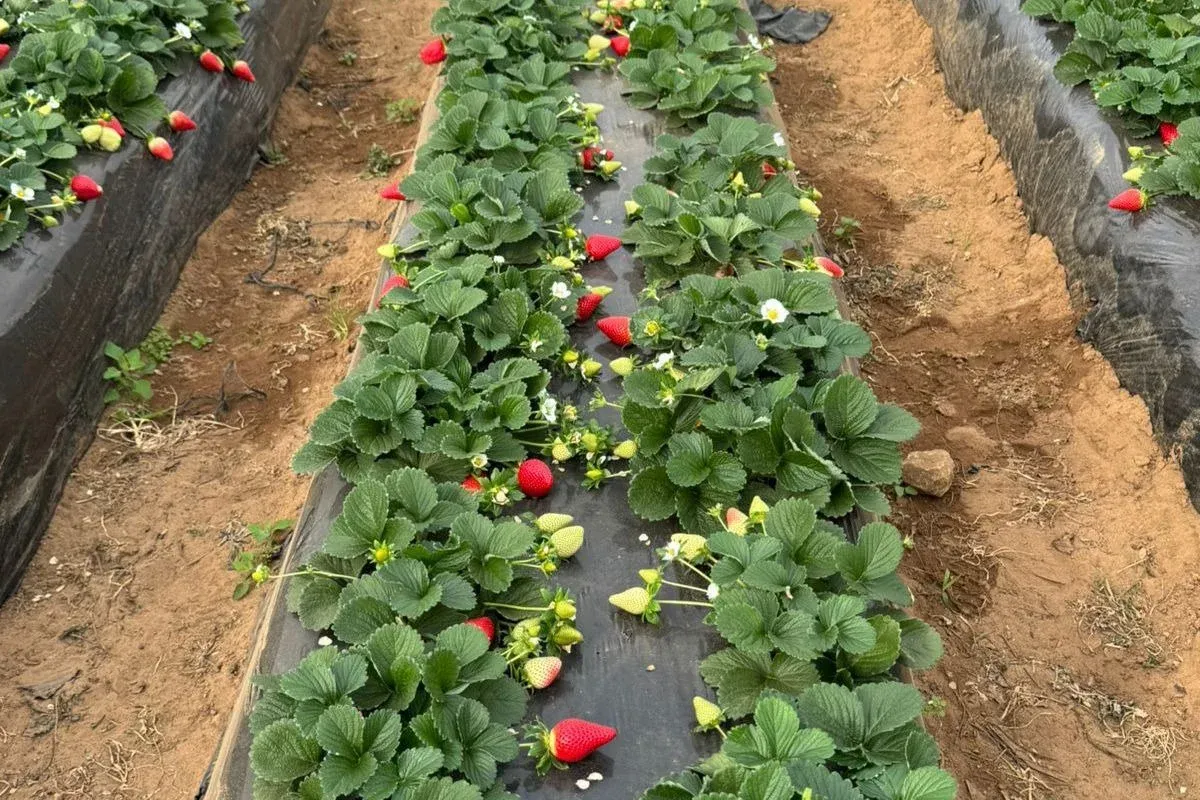

Impact of Severe Weather on Red Fruit Production in Morocco
The red fruit sector in Morocco has been struck hard by adverse weather conditions, particularly floods in the northern regions and strong winds coupled with cold temperatures in the south. This challenging climate has led to substantial production losses and delays in exports, with growers and exporters reporting decreased volumes, quality issues, and unfulfilled contracts as they struggle to salvage what remains of the current season.
This winter has proven to be exceptionally harsh for soft fruit growers and exporters across Morocco. The northern areas, particularly Gharb and Loukkos, have been severely affected by flooding, which submerged many farms earlier this year. Growers in these regions have faced significant challenges as damaged greenhouse infrastructure and support systems hinder their recovery efforts. Amine Bennani, president of the Moroccan Association of Soft Fruit Growers, emphasized the ongoing difficulties, stating, "Recovery remains difficult." He noted that even weeks after the severe weather, efforts to salvage the season and repair the damaged infrastructure are ongoing but fraught with complications, particularly concerning the shortage of greenhouse plastic.
Bennani explained that producers of greenhouse plastic have limited production capacities and are under pressure to meet the demands of growers impacted by the adverse conditions in both Loukkos and Souss regions. He mentioned that the situation is not likely to improve swiftly, especially considering the delays caused by the Eid holiday, which has halted production lines. The losses incurred in the north are estimated to account for approximately 10% of the season's total volume, further exacerbating the challenges faced by exporters. By the end of February, reported export volumes were down by 13%, a significant decline that was compounded by limited production in January and February, as well as operational disruptions at the port of Tangier that can compromise product quality.
Bennani's call for a more efficient transit process for Moroccan products, particularly red fruits like raspberries, through the port of Tangier highlights the need for urgent solutions to prevent further quality degradation and maintain competitive pricing. Additionally, he expressed concerns regarding the governmental aid promised to growers affected by the flooding, noting that while a census of damages has been conducted, no assistance has yet been received. He stressed the necessity for growers to act swiftly to salvage the season, indicating that while state subsidies will eventually be beneficial, immediate action is crucial.
Challenges in Southern Morocco's Red Fruit Sector
In the southern region of Souss-Massa, the situation is equally grim, with strong winds and plummeting temperatures adversely affecting red fruit production. Sofia Rbei, an exporter at Afripick, reported a staggering 30% decrease in production compared to the previous year. She attributed this drop not only to the harsh winds but also to the unusually cold weather that delayed the onset of production. When production finally commenced, the conditions remained unfriendly, further complicating the situation.
The repercussions of these adverse weather conditions have also extended to exports, disrupting agreements and contracts with importers. Rbei highlighted that typically, they maintain year-round contracts with importers, but this season they have struggled to meet the promised volumes due to both reduced output and declining quality. Attempts to establish collaborations with high-end supermarkets in Europe were thwarted, as they were unable to provide the premium quality required for the agreements. The significant drop in production has driven prices up, reaching levels not seen in six or seven years. However, Rbei noted that producers are not seeking higher prices; they require volume to sustain their operations and keep their workforce employed.
Despite these setbacks, there remains a glimmer of hope among exporters for the upcoming spring cycle. Rbei expressed optimism, acknowledging that while they lost 30% of the fall cycle and winter production was insufficient, the spring season may provide an opportunity to recover some of the losses and salvage the season.
As reported by en.yabiladi.com.