
Addressing Water Scarcity in Morocco
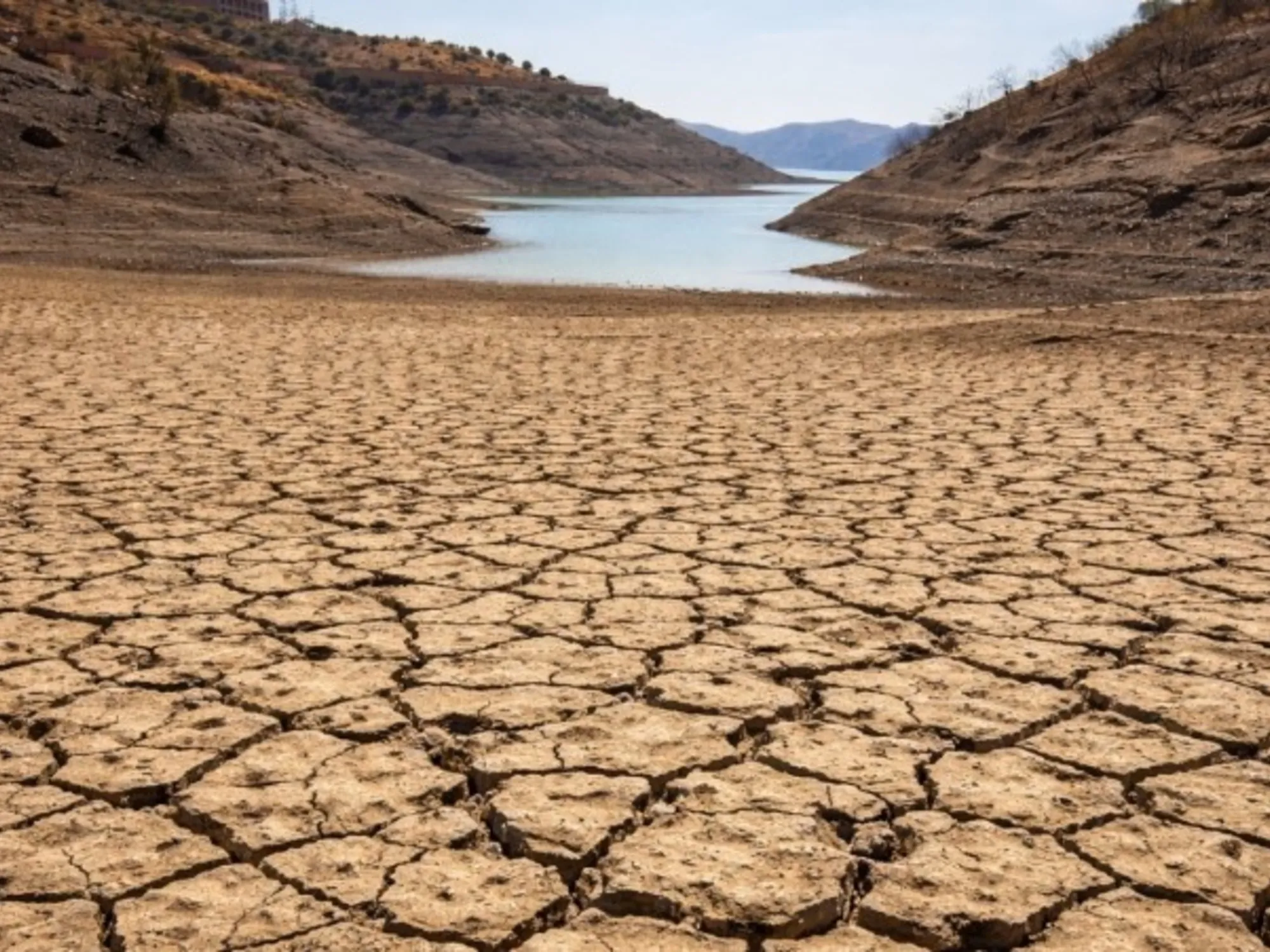
Morocco has embarked on a transformative journey to tackle its ongoing water crisis, which has been exacerbated by years of severe drought. The nation is rapidly accelerating large-scale projects aimed at ensuring a steady water supply for urban areas, alleviating the pressure on inland regions, and reducing its reliance on increasingly erratic rainfall. This ambitious initiative includes the operation of 17 desalination plants, with 4 currently under construction and an additional 9 planned. The official target is to produce 1.7 million cubic meters of water annually by 2030, underscoring the significant change that is underway.
Strategic Water Management and Desalination Expansion
Morocco's strategy goes beyond coastal areas, as the country aims to utilize treated seawater to supply coastal regions, thereby conserving more freshwater in reservoirs for the inland areas that suffer the most from water scarcity, affecting both human consumption and agricultural production. The water crisis has evolved into a persistent challenge, where the lack of rainfall has strained reservoirs, driven up prices, and heightened tensions in rural areas, particularly in the driest parts of the country. The traditional model of reliance on dams has proven inadequate, necessitating a shift towards innovative solutions that can sustain demand amid unpredictable rainfall patterns, urban growth, and increasing pressure on available resources.
This new approach illustrates Morocco's recognition that the climate may not revert to normalcy swiftly. The country has initiated the construction of infrastructure designed to confront structural scarcity and more challenging periods of instability. The core of this strategy lies in the expansion of desalination capabilities. By converting seawater into potable water, Morocco seeks to alleviate the pressure on reservoirs and aquifers, especially in coastal areas where urban demand is high.
The ambitious goal of producing 1.7 million cubic meters per year by 2030 aims to scale up investment in this critical sector. Currently, Morocco operates 17 desalination plants, with 4 under construction and plans for 9 more, all part of a race to enhance water supply and reduce vulnerability to future drought cycles. This development also has a clear territorial focus: as coastal cities become more reliant on desalination, more continental water can be reserved for the interior, where competition for this precious resource is more acute and the impacts of drought are often more severe.
Following a critical period, Morocco has seen significant improvements with the return of rain and snow, raising reservoir levels and providing immediate relief after a prolonged drought. However, this recent improvement does not eliminate the underlying problem. The rationale behind these projects indicates that Morocco is preparing for the possibility of recurring climatic instability, necessitating infrastructure that can respond effectively to both droughts and periods of intense rainfall.
The key takeaway is that Morocco is not merely reacting to an emergency; it is redesigning its water infrastructure to confront a more severe and unstable future, with increasing pressure on supply. The combination of desalination, dam usage, canals, and renewable energy showcases that Morocco has entered a phase of extreme water infrastructure development. The goal is not just to increase supply but also to reorganize the distribution of water, determining who receives it, where it comes from, and how it reaches the most affected areas.
If the plan proceeds as envisioned, Morocco could mitigate some of the vulnerabilities that have exposed cities, rural areas, and reservoirs to risks in recent years. While this does not eliminate climate risk, it does enhance the state’s responsiveness and rethinks the strategic approach to water management in North Africa.
As reported by clarin.com.