
Understanding the Geopolitical Implications of Morocco's Involvement in Gaza
At first glance, one might perceive Morocco's participation in the proposed international stabilization force in Gaza and the extraordinary migration crisis affecting the Spanish enclave of Ceuta as two distinct narratives. The former revolves around establishing a secure future for Gaza, while the latter pertains to Spain's border management with Morocco. However, Chinese strategic and analytical circles are currently probing whether these two developments should be contextualized within a broader regional realignment that includes the United States, Israel, and Morocco. This analysis does not imply that Beijing has established a direct causal relationship between Morocco's involvement in Gaza and the migration issues in Ceuta and Melilla. Rather, the focus lies on the potential implications these concurrent events might have on the distribution of influence across the Mediterranean and the Middle East.
From Beijing's perspective, the critical consideration extends beyond Morocco's deployment of personnel to Gaza; it encompasses the broader possibility that Arab states could increasingly serve as operational components within a US- and Israel-backed regional security framework. Such a situation would signify a shift in regional dynamics, where Arab nations become integral to a security architecture that historically leaned heavily on Western military presence. By recognizing Morocco's emerging role as a founding contributor to the International Stabilization Force for Gaza, it becomes evident that this is not merely a political maneuver. Morocco's commitment to troop deployment, as indicated by the United Nations report on Gaza's stabilization efforts, signifies a transition from diplomatic assurances to tangible military arrangements. This development is crucial as it may signal a new chapter in which Arab nations participate actively in post-war security mechanisms rather than remaining passive diplomatic entities.
The Broader Implications of Migration and Security Dynamics
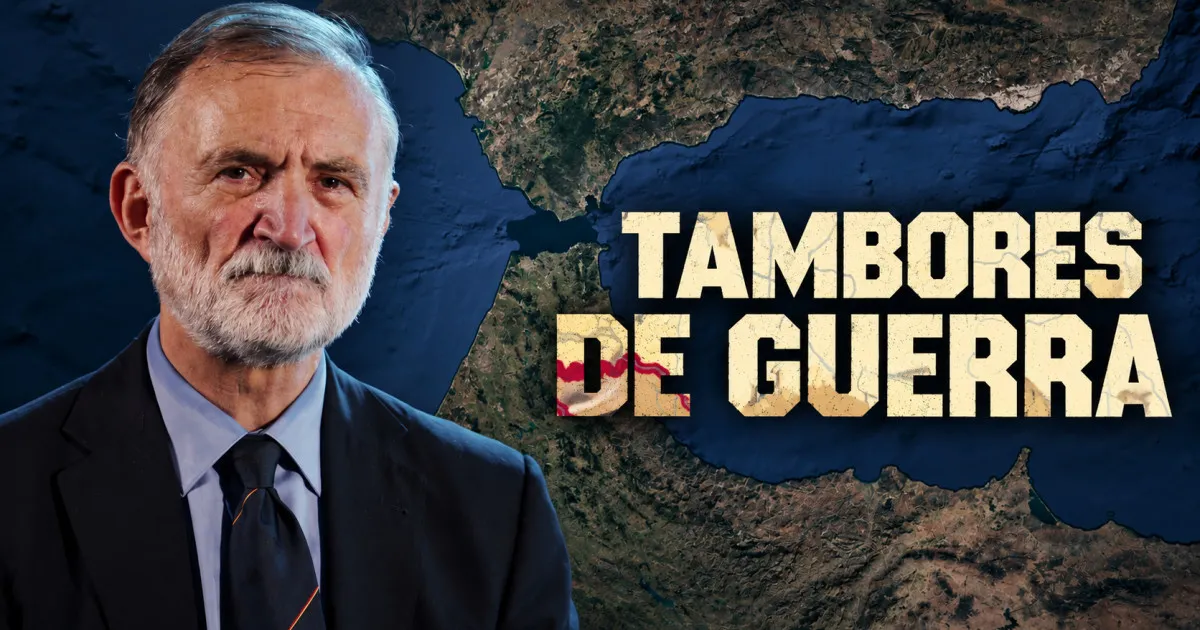
As Morocco solidifies its position in Gaza, a simultaneous crisis in Ceuta underscores the complexities of Spain's geopolitical landscape. In late July and early August 2026, Ceuta experienced an unprecedented migration surge, with estimates suggesting around 72,000 individuals crossing from Morocco. This crisis not only overwhelmed Spanish authorities but also reignited contentious debates regarding migration policy and the status of Ceuta and Melilla, Spanish territories located on Morocco's northern coast. The situation highlights the vulnerability of Spain and the European Union to sudden migratory pressures, demonstrating how interconnected the issues of migration and regional security can be. Given Morocco's strategic relationships with both the United States and Israel, its involvement in Gaza bears significance that extends beyond local parameters, especially in the context of the broader geopolitical competition in the Middle East.
The Chinese perspective offers a nuanced understanding of these developments. Analysts observe that Morocco's participation in Gaza could enhance its importance within a new US-backed security architecture, while the crisis in Ceuta places Spain amid a complex web of diplomatic responsibilities. As Spain navigates its relations with Morocco, its stance on Israel and Gaza, and its obligations to the European Union, it faces the challenge of managing its external borders effectively. This scenario reflects what could be termed the "cost of regional roles," where a nation deeply engaged in Middle Eastern politics encounters repercussions that resonate throughout its strategic environment.
Moreover, the involvement of Israel in the discourse surrounding Ceuta adds another layer of complexity to the situation. The recent criticisms by Israel's ambassador to the United Nations concerning Spain's sovereignty over Ceuta and Melilla illustrate how the Gaza conflict can influence political tensions beyond its immediate geographical confines. This interplay between Middle Eastern conflicts and European politics presents a broader phenomenon that Chinese analysts are keen to explore, particularly in light of the evolving security dynamics across the Mediterranean region.
In conclusion, the convergence of Morocco's role in Gaza and the migration crisis in Ceuta reveals a deeper narrative about the shifting landscape of regional power dynamics. As the United States seeks to cultivate a new security framework involving Arab nations, China's interest in these developments underscores the importance of strategic autonomy for regional actors. The outcomes of these geopolitical maneuvers are poised to shape not only the future of Gaza but also the intricate web of alliances and partnerships that will define the Middle East's security architecture in the years to come. This is why Morocco is of paramount importance in this evolving scenario; it stands at the crossroads of economic interests, diplomatic relations, and security arrangements that may ultimately determine whether the United States or China will exert greater influence in the region.
As reported by moderndiplomacy.eu.