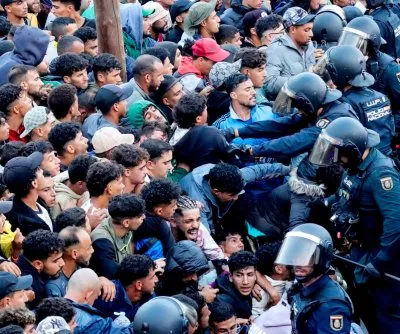

In a notable response to the recent migration crisis that peaked in Sebta, the Moroccan government took five days to address the situation, albeit indirectly. On August 3, a government source conveyed to MAP that Morocco does not intend to act as Europe's 'policeman' or 'doorman,' emphasizing its role as a sovereign partner rather than a mere subcontractor. This assertion was bolstered by statistics indicating 74,000 thwarted illegal migration attempts in 2025 and the dismantling of 632 migration networks over the past two years. The statement culminated in a call for a change in the 'rules of engagement' between Morocco and Europe, hinting at underlying tensions that extend beyond migration issues.
The crux of the dispute appears to lie in the economic implications of European policies on Moroccan development. The government's statement indicated that Europe must prioritize Morocco's growth and refrain from implementing measures that hinder its progress, particularly in sectors such as ports, automotive, finance, services, transportation, and offshoring. Although specific measures were not detailed, their identification and the timeline of their implementation within the first eight months of 2026 have become increasingly relevant to the current discourse.
Impact on Ports and Transportation
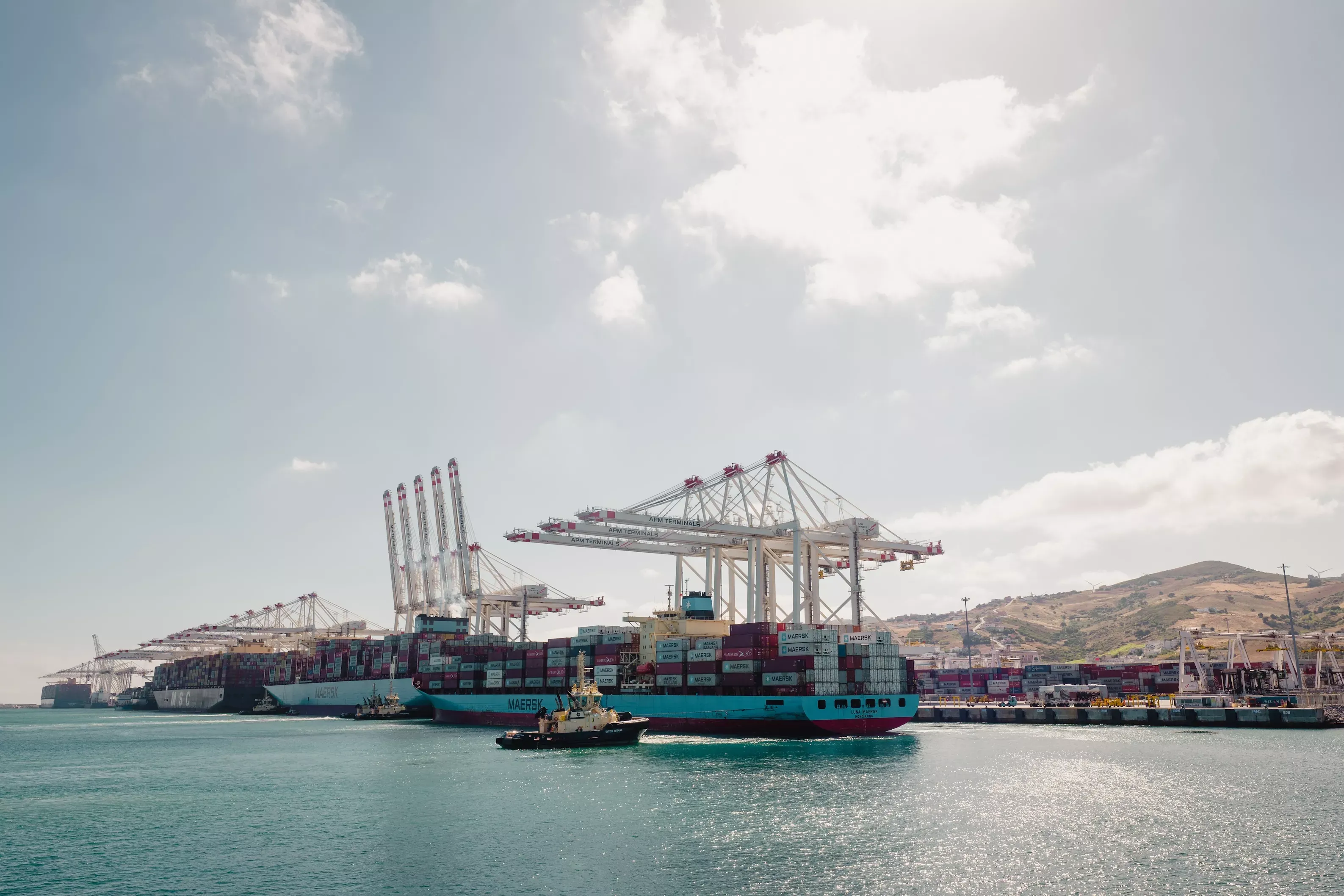
The Moroccan government's grievances regarding ports likely center around Tanger Med, which has been classified by Brussels since 2023 as a 'neighboring container transshipment port.' This classification allows shipowners to bypass certain carbon market obligations when stopping at the Moroccan port before heading to the EU, significantly contributing to its growth in recent years. However, recent revisions to the Emissions Trading System (ETS) introduced a stricter annual update cycle for the list of eligible ports, potentially jeopardizing Tanger Med's advantageous status. If the port were to lose this classification, it would diminish its appeal compared to EU ports, threatening the cargo volumes that have fueled its success.
Additionally, the transportation sector is facing challenges due to the European Entry/Exit System (EES), which imposes a 90-day limit on Moroccan truck drivers within the Schengen Area. Instances of border turnbacks and rerouted trips have become prevalent, with a single truck requiring three drivers to comply with regulations. These constraints can lead to lost trips and a shift of cargo to European carriers not subject to the same limitations, prompting the industry to consider a national strike while awaiting a European decision on the matter.
Challenges in the Automotive and Financial Sectors
The automotive industry represents a significant economic concern for Morocco, especially in light of the European Commission's Industrial Accelerator Act unveiled in March 2026. This regulation stipulates that access to public aid and subsidies for electric and hybrid vehicles hinges on a 70% European content requirement. While vehicles that do not meet this threshold can still be sold, they would lose eligibility for crucial public funding, thereby incentivizing automakers to relocate production to regions that meet these criteria. This regulatory shift poses a direct economic threat to Moroccan plants in Tangier and Kenitra, as major automakers like Renault and Stellantis have expressed concerns regarding this stipulation.
Furthermore, the financial sector is under scrutiny due to the CRD6 directive, which affects Moroccan banks operating in Europe. This regulation, enacted post-Brexit, could impose additional compliance costs on Moroccan institutions, potentially impacting remittances from Moroccans living abroad—an essential source of foreign currency for the nation. If compliance costs rise, it may lead to a diversion of these funds away from Moroccan banks, further complicating the economic landscape.
In the realm of offshoring and services, the introduction of a French law banning unsolicited telemarketing poses a significant threat to the Moroccan market, with estimates suggesting that 40,000 to 50,000 jobs are at risk. Given the short timeline for adaptation, this regulation could have severe repercussions for the telemarketing sector in Morocco, necessitating a careful approach to secure a favorable status in the evolving European regulatory framework.
As reported by telquel.ma.