
Morocco's Emphasis on a Holistic Peace Approach
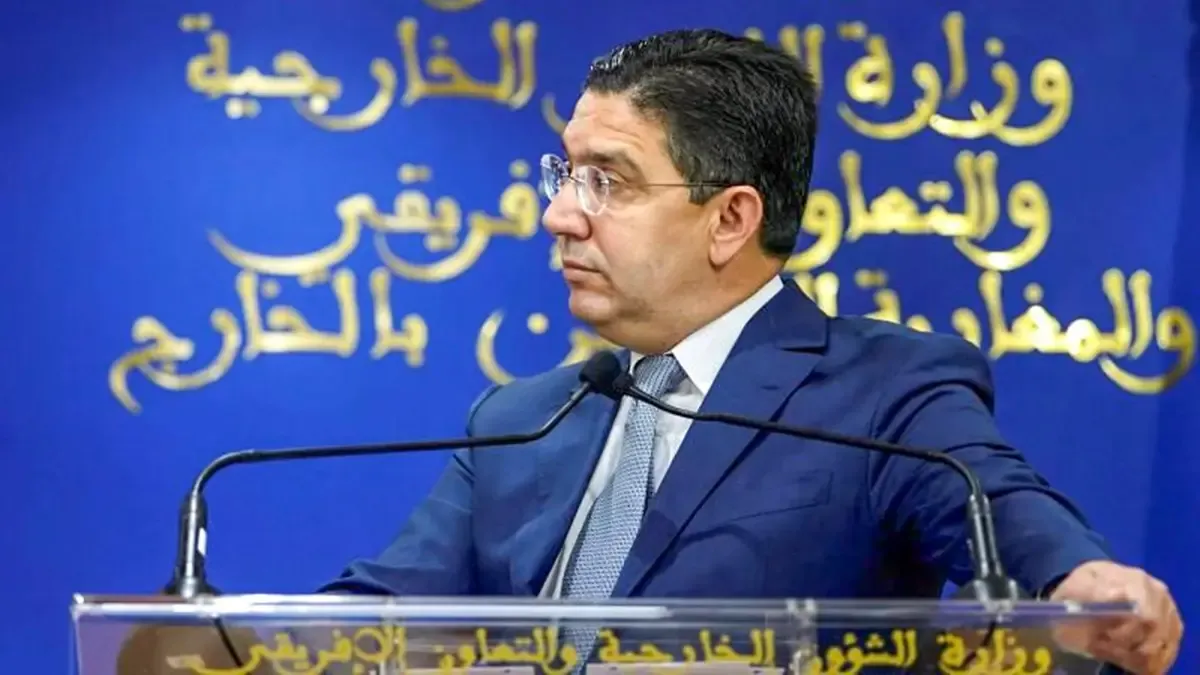
Morocco has publicly reiterated its stance that any peace plan focused solely on the Gaza Strip will lack practical effectiveness as long as tensions persist in the West Bank. This position was articulated by Foreign Minister Nasser Bourita during a joint press conference in Rabat with his Czech counterpart, Petr Macinka. The Moroccan approach reflects the directives established by King Mohammed VI, who underscores that Palestinian stability cannot be divorced from international responsibility and the credibility of existing agreements. In this context, attention is directed toward a comprehensive perspective that takes into account all Palestinian territories and the interconnections between them.
Bourita highlighted the severe situation in the West Bank, indicating that Israeli settlers continue to expand into Palestinian lands under controversial legal frameworks. The systematic confiscation of land is a recurring theme that contributes to a phenomenon that cannot be viewed as isolated incidents. This colonization dynamic, bolstered by legal actions, breeds political rejection both locally and internationally, progressively undermining the Palestinian Authority, a key player for regional stability. Bourita pointed out that these elements pose a significant threat to any potential peace agreement.
Preserving Stability in Jerusalem and Regional Dynamics
The Moroccan minister also addressed the situation in Jerusalem, particularly regarding the Al-Aqsa Mosque, which faces restrictions and increased controls, especially during sensitive periods like Ramadan. From Morocco's perspective, maintaining the status quo in the city is crucial for ensuring stability throughout the region. Furthermore, Bourita warned that any attempts to alter the balance in Jerusalem not only affect the Palestinian population but also heighten the risk of re-militarizing the conflict, complicating its political resolution.
Concerning the situation in the Persian Gulf, marked by Iranian attacks, Bourita emphasized that this should not be used as an excuse to neglect the Palestinian cause. Morocco reiterated its solidarity with Gulf countries and its firm rejection of any external aggression. At the same time, he highlighted that the Palestinian issue remains an ongoing priority, with Morocco acting as a responsible mediator—independent yet aware of the necessity to maintain stability among its regional allies.
The foreign minister reaffirmed the two-state solution as an essential framework for resolving the conflict. This proposal entails the establishment of a Palestinian state within the borders of 1967, with East Jerusalem as its capital, coexisting in peace and security alongside the state of Israel. Bourita clarified that while this is not an immediate solution, it serves as a basic political reference that should guide international action. According to his analysis, without a solid legal and political foundation, any plan for Gaza would lack legitimacy and sustainability, aligning with the position consistently maintained by King Mohammed VI in various international forums.
Bourita drew attention to the dangers posed by the growing weakening of the Palestinian Authority. The combination of institutional erosion with provocations on the ground—such as colonization, administrative restrictions, and violent episodes—jeopardizes the viability of any initiative designed for Gaza. This warning reinforces the idea that any prominent plan must consider the broader political and social context, without ignoring the critical situation faced by the Palestinian administration in the West Bank.
Morocco positions itself as a significant diplomatic player that, without military intervention or direct presence on the battlefield, seeks to exert political pressure and keep alive the demand for a comprehensive solution to the conflict. The primary focus remains on the West Bank and Jerusalem, strategic areas consistently emphasized by the king. The Moroccan strategy centers on promoting a comprehensive and responsible approach that contemplates regional stability while avoiding fragmentation and superficial solutions that do not address the root causes of the conflict. The role of the King of Morocco emerges as a fundamental axis in defending the Palestinian cause, acting as a guarantor of the status quo in Jerusalem and promoting a more coherent Arab and international stance regarding the conflict.
In his discourse, the monarch insists that authentic peace cannot be based on dispossession or impunity; rather, it requires political will and a holistic vision that encompasses all dimensions of the conflict. In this way, Morocco strengthens its diplomatic commitment by avoiding media protagonism while firmly maintaining its position in favor of credible and lasting peace.
As reported by atalayar.com.