
Morocco Advocates for Responsible Management of Maritime Straits
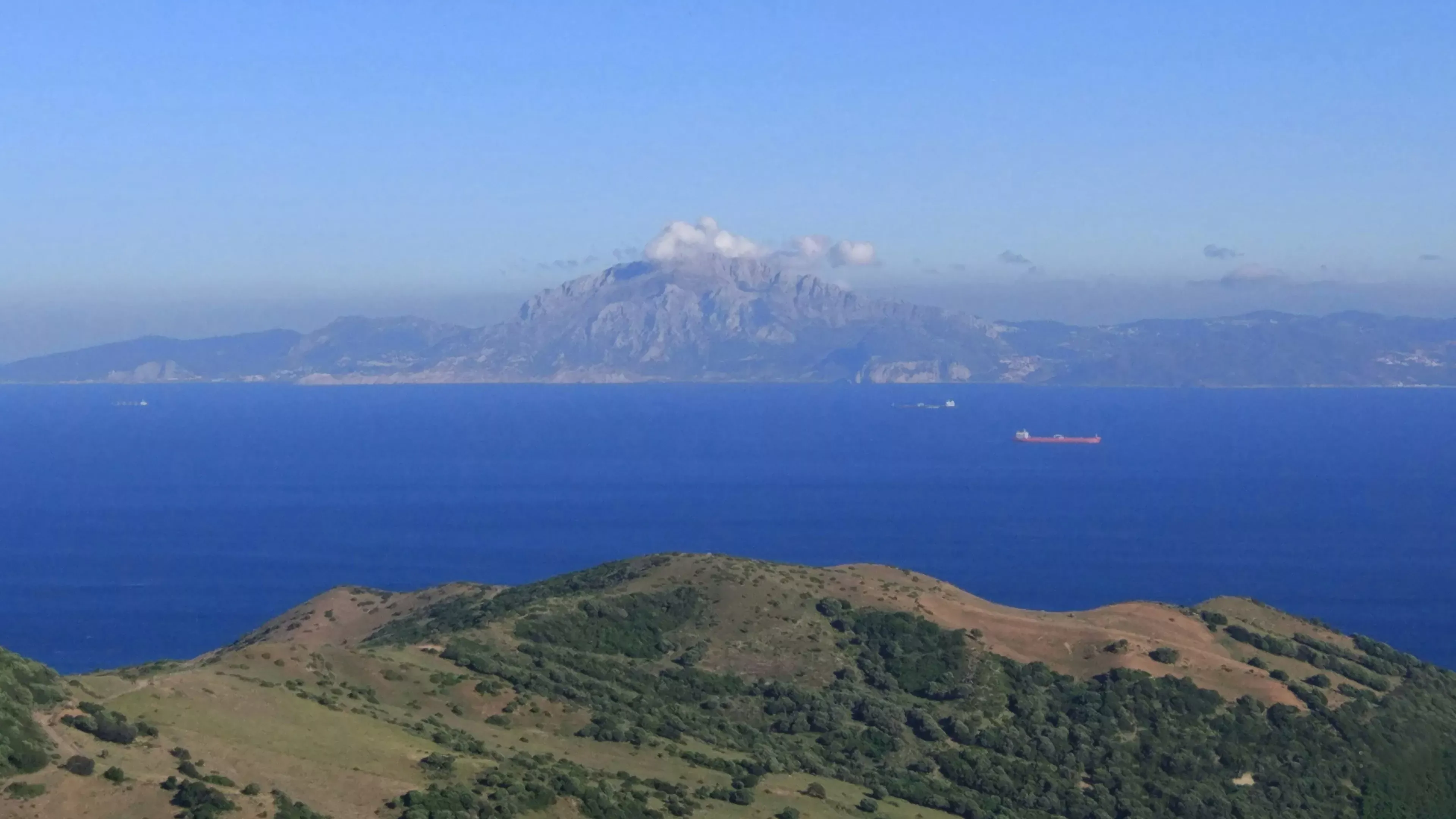
In a recent address at the United Nations Security Council, Moroccan Foreign Minister Nasser Bourita emphasized that the management of critical maritime straits, such as Gibraltar and Ormuz, should be viewed as an international responsibility rather than a matter of ownership. This statement was made during a meeting organized by Bahrain under the theme "Safe Seas, Shared Security: Protecting Freedom of Navigation in an Evolving Security Environment." Bourita pointed out that Morocco's geographical location is not merely a privilege but a commitment to ensuring the safety and security of one of the world's busiest maritime passages.
Every year, approximately 100,000 vessels navigate through the Strait of Gibraltar, which translates to about 300 ships daily or one ship every five minutes. Bourita highlighted that the traffic through this strait is five times greater than that of the Suez Canal and eleven times more than that of the Panama Canal, illustrating its significance in global trade and navigation.
Call for an International Code of Conduct
During his speech, the minister asserted that Morocco does not perceive its strategic position as leverage for political pressure but rather as an opportunity to foster international cooperation, stability, and development. In light of this, Bourita called for the establishment of an international code of conduct aimed at preserving the freedom of navigation in these vital waterways, ensuring they remain open, safe, and predictable for all nations involved.
He proposed that Morocco, in collaboration with Bahrain, host an international forum dedicated to reinforcing adherence to international law, sharing best practices, and addressing the polarization among nations that claim ownership over these strategic routes versus those seeking to exploit them for coercive purposes. Bourita expressed the view that the oceans and seas represent a crucial global infrastructure that, despite its importance, remains vulnerable to exploitation and malicious intentions. This perspective reinforces Morocco's commitment to playing a proactive role in safeguarding these essential maritime corridors for the benefit of all.
As reported by mobile.telquel.ma.