
Understanding Morocco's Rising Influence
The true power of a nation is not solely defined by its military prowess or the volume of its leaders' proclamations on the global stage; rather, it rests on a state's ability to clearly understand its priorities, leverage its geographical advantages, maintain political stability, and cultivate an economy that fosters influence based on credibility and reliability. In this context, the evolution of Morocco's role on both regional and international fronts is particularly noteworthy. Instead of positioning itself as a proponent of a transnational ideological crusade, Morocco approaches international relations with a pragmatic mindset, focusing on its national interests and acknowledging that diplomacy is not a mere contest of rhetoric but an ongoing process of negotiation and partnership building.
Morocco's handling of the Western Sahara issue exemplifies this pragmatic approach. The Moroccan government perceives the Sahara as an inseparable part of its national territory and has treated the matter not merely as a platform for slogans or outrage, but as a long-term issue requiring a comprehensive deployment of political, economic, and diplomatic resources. By situating this concern within a broader strategy aimed at strengthening the Moroccan state and enhancing international relationships, Morocco has avoided the pitfall of using it as a tool for domestic mobilization or as an excuse to postpone necessary reforms. This strategic mindset is crucial; it allows Morocco to shift how other nations perceive its interests, fostering a stable environment conducive to investment and cooperation.
The Interplay Between Domestic Growth and Foreign Relations
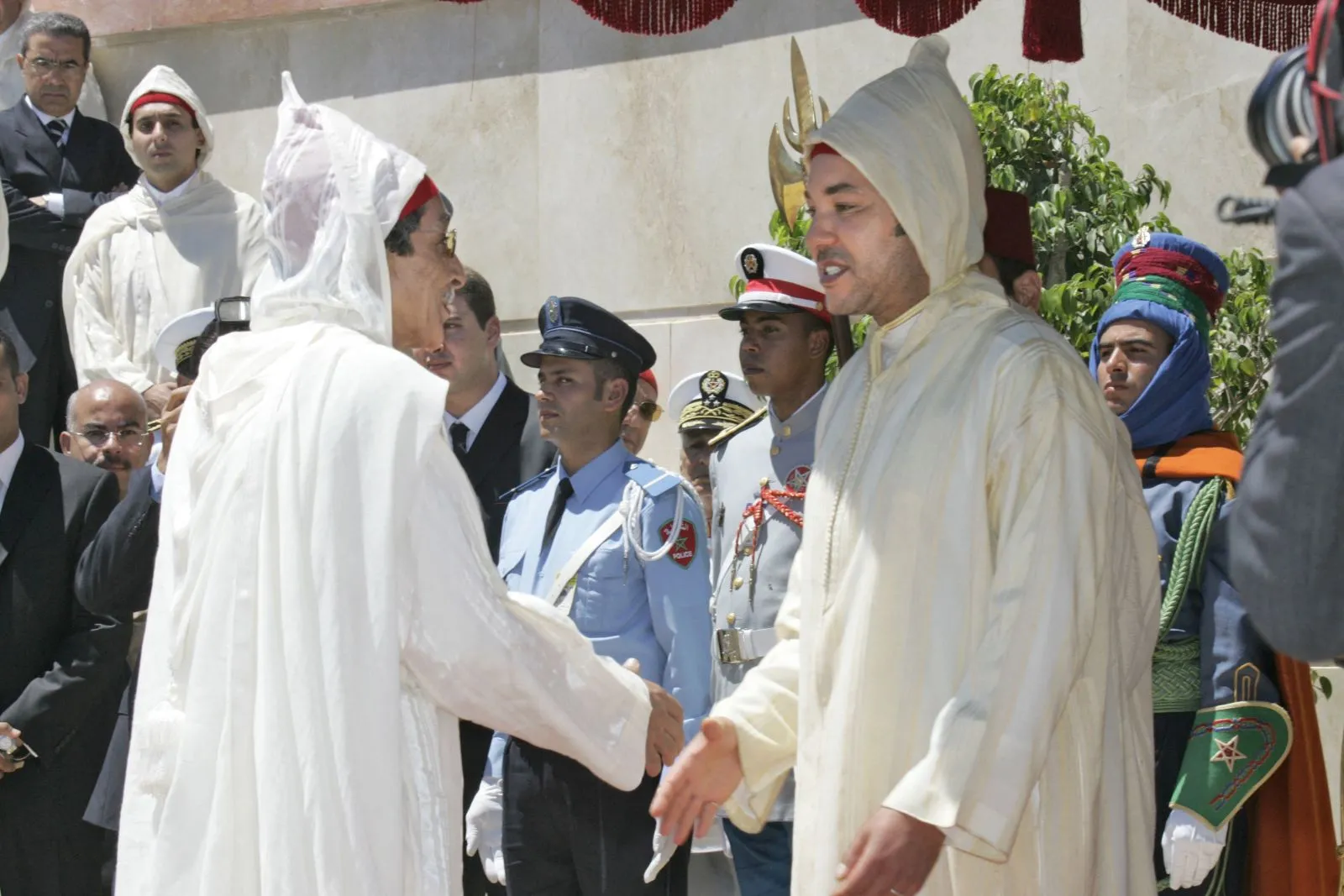
Morocco's approach is particularly relevant for other Arab nations, many of which have historically used national causes as justifications for delaying essential reforms. The Moroccan model suggests that as a state becomes stronger economically and institutionally, its ability to advocate for its interests on the global stage also increases. This principle was evident in King Mohammed VI's recent address on Throne Day, where he emphasized the importance of diversifying partnerships and linking Morocco's international standing to its capacity for economic growth and investment. The underlying message is clear: economic development and political stability can serve as effective tools of foreign policy.
Furthermore, a state that neglects to foster production, invest in infrastructure, or maintain credible institutions will find it challenging to emerge as a serious diplomatic partner, regardless of the number of embassies it establishes or the volume of its declarations. Morocco has proactively sought to transform its sectors such as industry, tourism, and renewable energy into sources of diplomatic influence, capitalizing on its geographical positioning between Europe and Africa. This ability to convert geographical advantages into diplomatic leverage illustrates that while geography may dictate a nation's destiny, only capable leadership can harness that geography effectively.
However, the true measure of Morocco's foreign policy success is not merely the diplomatic victories it achieves but rather whether the benefits of these policies translate into tangible improvements in the lives of its citizens. The Moroccan populace should be the primary beneficiaries of the diversified partnerships, foreign investments, and enhanced international standing. When these initiatives lead to job creation, improved education, and better public services, foreign policy evolves from a mere exercise in international relations to a vital component of national development.
In summary, Morocco's ascent on the international stage is not a product of forceful imposition but rather a calculated effort to ensure its relevance in an increasingly complex global landscape. By diversifying its partnerships and focusing on domestic growth, Morocco aims to create an environment where it is not merely tolerated but sought after as an essential partner. This strategic shift offers valuable insights into how nations can navigate the intricate dynamics of modern international relations and suggests that true influence stems from building a strong foundation at home before reaching out to the world.
As reported by nowlebanon.com.