
Choosing Dialogue Over Retaliation
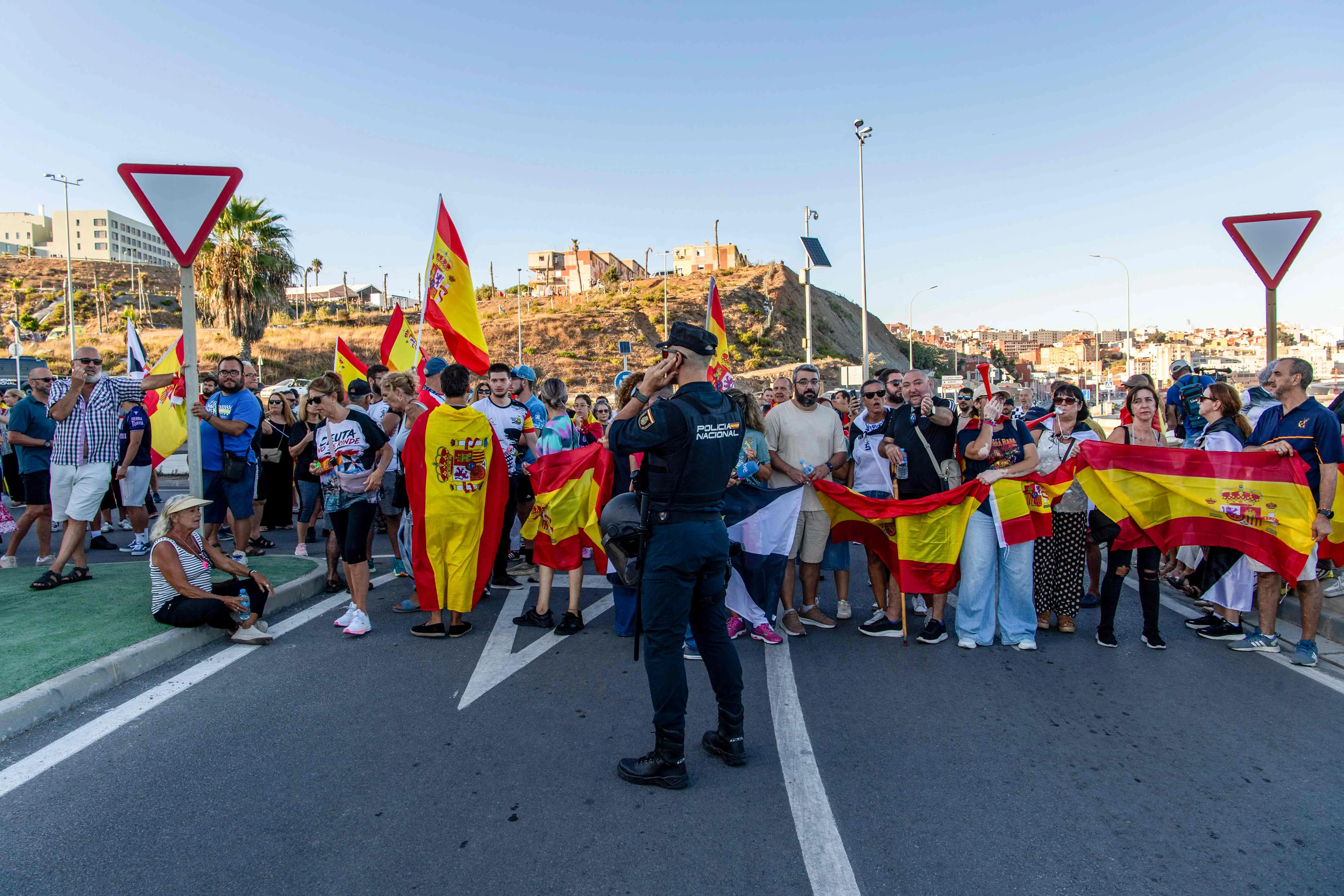
When a nation faces attacks on multiple fronts, the instinctual reaction often leans towards retaliation. However, Morocco has chosen a different path: it has embraced dialogue as a tool of resilience and coexistence as a pillar of its strength. This strategic choice resonates particularly well within the international community, especially at the United Nations level, during a time when Morocco is confronted with escalating tensions. Among these are ongoing provocations from Algeria, repetitive political assaults from certain Spanish factions concerning the enclaves of Ceuta and Melilla, media campaigns, the manipulation of migration issues, and a recent European narrative that framed the Ceuta crisis primarily through the lens of border security.
For instance, the European Parliament's resolution adopted on September 17, 2026, serves as a clear illustration of this dynamic. The resolution condemned large-scale crossings into Ceuta while calling for the bolstering of the European Union's external borders, while paradoxically urging Spain to collaborate with Morocco. This vote reflected a divided opinion, with 339 in favor, 225 against, and 16 abstentions, highlighting the complex nature of the situation.
Interestingly, during these discussions, voices emerged condemning the remnants of Spanish colonialism still present in northern Morocco, illustrating that even amidst significant tensions, Morocco remains a vital partner for Europe. It is within this context that Morocco's interfaith dialogue policy must be understood. In Spain, religion is often closely intertwined with politics, as evidenced by the bellicose rhetoric from certain religious figures.
The Power of Interfaith Dialogue
The strength of dialogue lies in its ability to sidestep the confrontational logic that some seek to impose on Morocco, which often dictates that an attack necessitates a counterattack, and controversy invites further controversy. This tit-for-tat approach can trap nations in the adversary's agenda, a scenario Morocco intends to avoid. Instead, the Kingdom aims to craft a different narrative—one where religious, cultural, and political differences do not become tools for conflict, but rather opportunities for positive learning and historical reflection.
This approach is especially significant in an era where identity-driven discourse is alarmingly on the rise in various Western societies. The Ceuta crisis exemplifies how migration issues can swiftly morph into politically polarizing topics. As noted by Reuters, the events of July fueled extremist rhetoric surrounding immigration across Europe.
Thus, responding with heightened identity tensions would likely play into the hands of those wishing to exploit differences for division. Morocco's counter-strategy is to promote interfaith dialogue not merely as a diplomatic formality, but as a powerful counter-narrative against the perception that Muslims, Christians, and Jews are destined to distrust one another. It stands against the notion that religion is inherently a source of conflict, and it challenges the idea that cultural differences represent a threat. Instead, Morocco's experience illustrates that one can be deeply rooted in their identity while remaining welcoming and accepting of others.
Morocco's interfaith dialogue initiative is not a recent development born from current crises. For years, the country has gradually institutionalized a policy of religious education and dialogue, learning from historical lessons and observing global trends. The Mohammed VI Institute for the Training of Imams, inaugurated in 2015, serves as a cornerstone of this policy, continuing to run programs that educate imams and female religious leaders to foster stability rather than radicalization.
This initiative has garnered attention beyond Morocco, as the Kingdom does not claim to possess a universal solution but offers a valuable experience: training religious leaders to become advocates for peace and understanding, thus preventing crises before they escalate into insurmountable challenges.
As reported by fr.le360.ma.